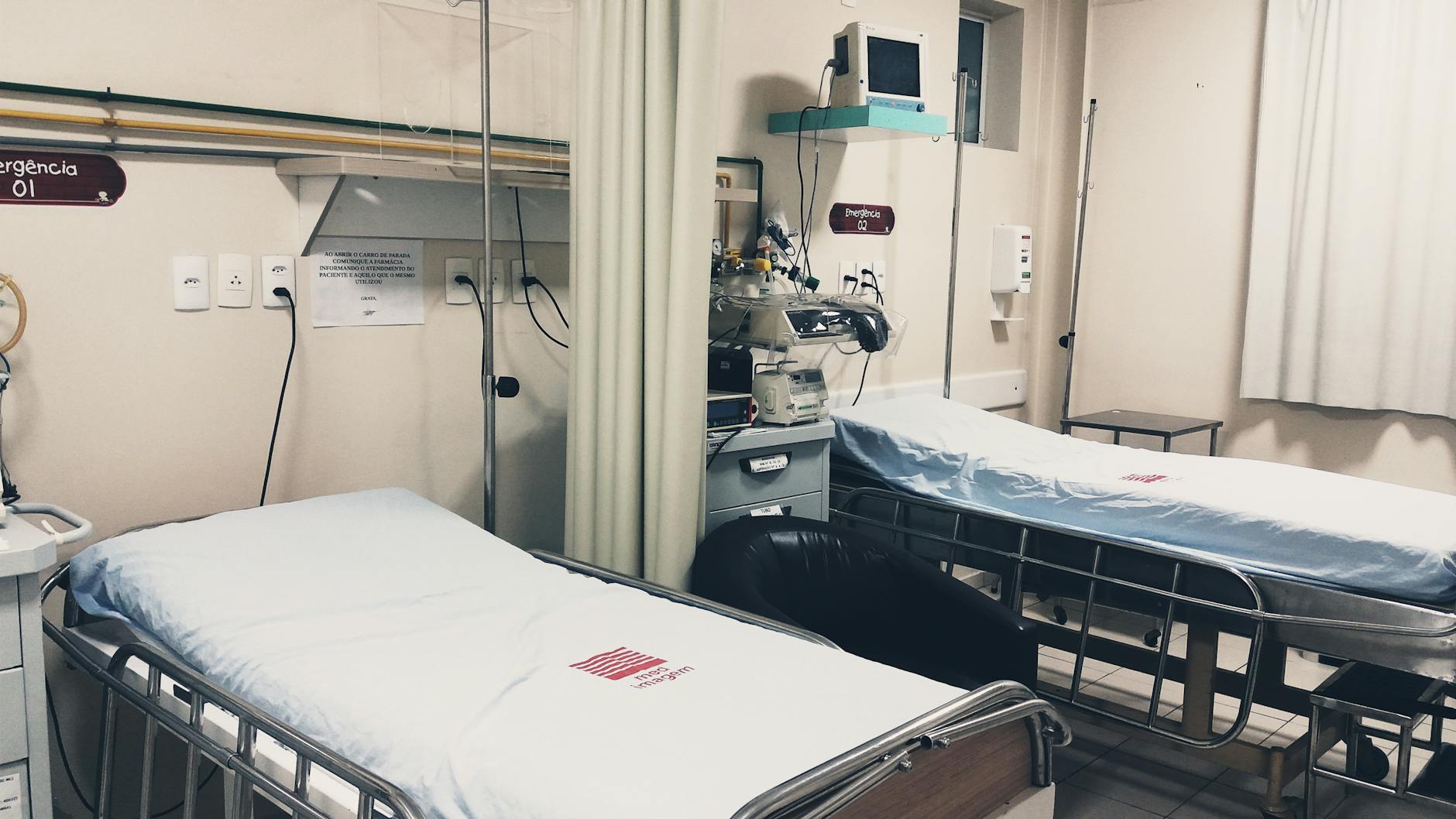
Nearly one thousand people remain hospitalized in Chile despite having been medically discharged, according to a report by elmostrador.cl. These patients are not occupying beds due to active illnesses, but rather due to a lack of support networks and the absence of minimum housing conditions for their return home.
The majority of those affected are elderly individuals who require basic care. The lack of available assistance services forces healthcare centers to take on responsibilities that fall outside their clinical mandate, the report notes.
This phenomenon, affecting so-called "social-healthcare patients," is causing saturation within the healthcare system. By occupying beds intended for acute cases, access is limited for individuals with urgent clinical needs.
The challenge of intersectoral management
The problem extends beyond the healthcare sector, reflecting a crisis in state coordination. The report from elmostrador.cl indicates that the health, social development, and housing sectors are failing to provide integrated responses.
The situation highlights that the hospital system is essentially attempting to replace the home and care networks. The text warns that "when a person remains in a hospital due to abandonment or lack of support networks, it is not just a failure of the healthcare system: it is a sign of weakness in our ability to act intersectorally."
Chile's rapidly aging population demands robust and well-funded care policies. The absence of such policies leaves the elderly in a state of extreme vulnerability within medical institutions.
Resolving this conflict requires strengthening coordination between public and private institutions. The goal is to prevent hospitals from becoming the only refuge for those lacking an active social support network.