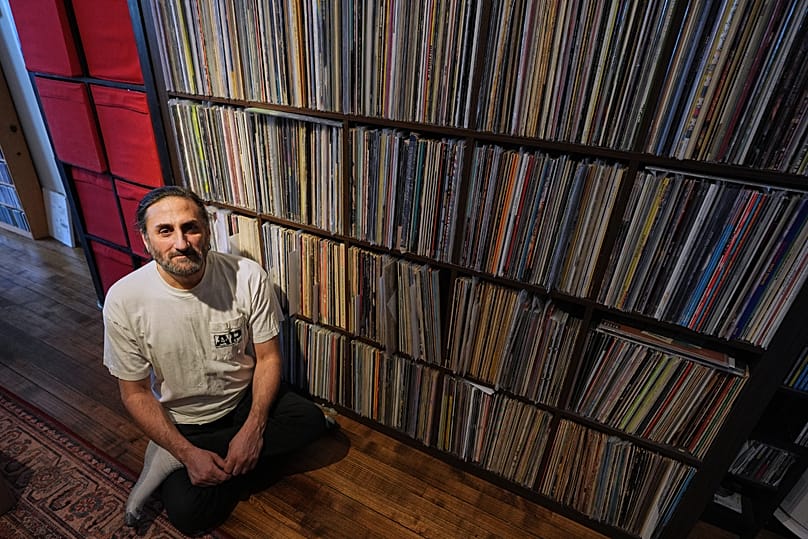
A massive collection of over 10,000 live music recordings, captured secretly by Aadam Jacobs over nearly four decades, is being released to the public via the Internet Archive. The archive contains rare footage of iconic artists ranging from Nirvana to Björk, documenting the evolution of indie, punk, and alternative music.
Jacobs began his hobby in 1984 using a tape recorder borrowed from his grandmother. One of his most significant captures occurred on July 8, 1989, in a small Chicago club, where he recorded an early performance by Nirvana two years before the band achieved global fame with 'Nevermind.'
His collection spans decades of performances in Chicago and other cities, including early shows by R.E.M., The Cure, Pixies, Depeche Mode, and Sonic Youth. The archive also contains rare recordings of Boogie Down Productions and Phish, alongside hundreds of sets from local bands that never released official studio albums.
Digitizing a decaying legacy
The project to preserve the collection began following a 2023 documentary by Katlin Schneider. As the original cassette tapes began to deteriorate, volunteers proposed moving the entire archive to a digital format to ensure its survival.
Volunteer Brian Emerick currently manages the physical transfer of the collection. He collects dozens of boxes containing up to 100 tapes each, using repaired vintage equipment to digitize the audio in real-time. Since late 2024, Emerick has processed at least 5,500 recordings, though he estimates the full project will take several more years.
After digitization, a global network of engineers in the U.S., UK, and Germany cleans the audio and adds metadata for public access. This massive undertaking aims to prevent the loss of musical history that would otherwise vanish with the decaying magnetic tape.
While the project faces potential legal hurdles regarding 'bootlegging' laws, most musicians have reacted favorably. Attorney David Nimmer noted that while artists technically own live recordings, the non-profit nature of the project makes lawsuits unlikely. Some artists have even embraced the archive; The Replacements used material from Jacobs' collection for an official 2023 release.
Jacobs, who stopped recording due to health issues, noted that the era of secret documentation has passed. "As everyone has a cell phone, anyone can record a concert," he said, highlighting the difference between modern smartphone clips and his 40-year commitment to historical preservation.