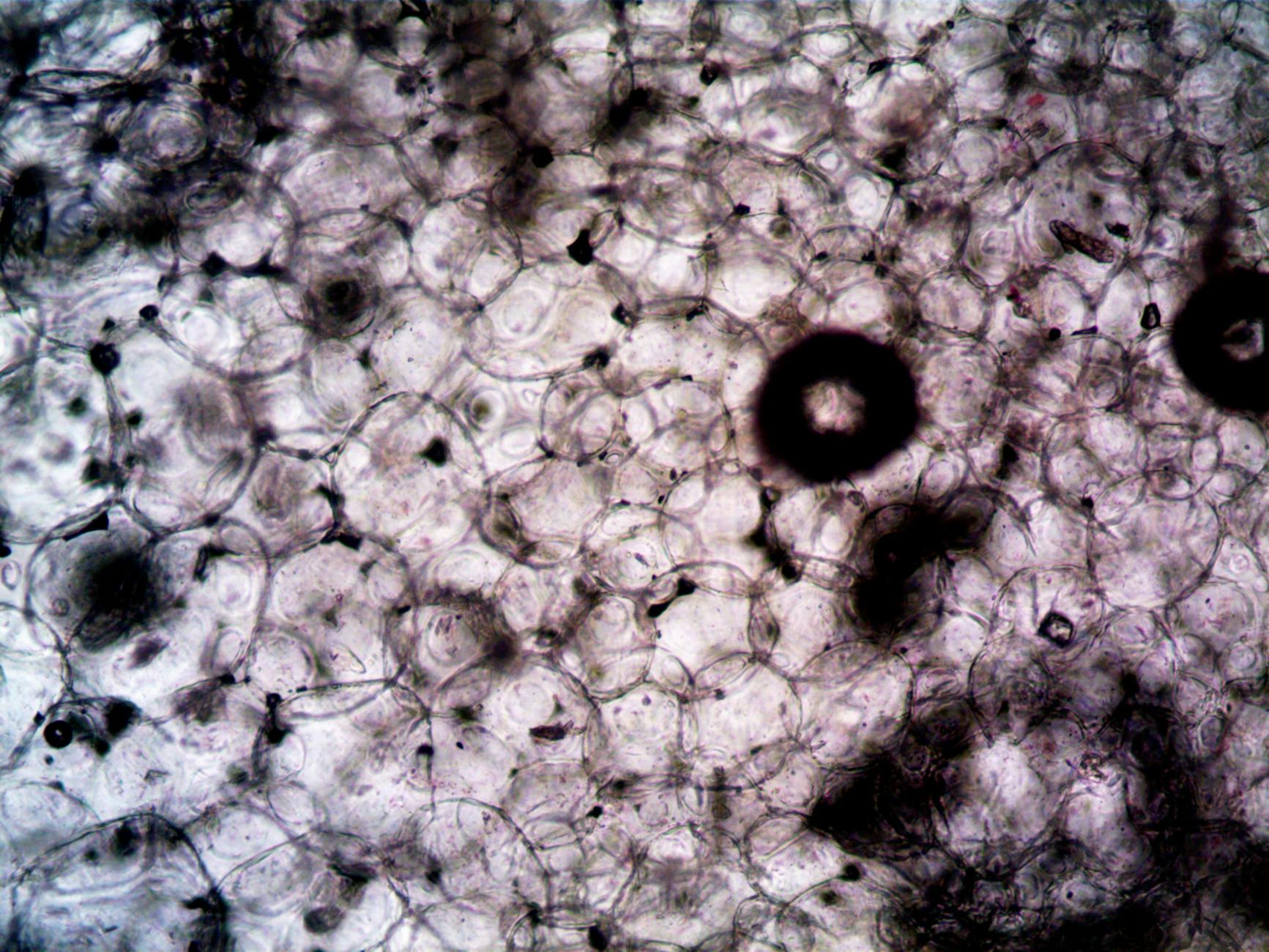
Researchers have successfully engineered multicellular structures capable of autonomous movement and self-assembly, marking a major departure from traditional metallic robotics. These biobots, dubbed "Antrobots," are constructed entirely from human tracheal cells rather than synthetic materials.
Unlike traditional nanobots that require external power sources or batteries, these biobots derive their energy from glucose. Their behavior is guided by cellular signaling optimized through deep learning algorithms, allowing them to function without a central processor.
A new frontier in regenerative medicine
The primary advantage of these biobots is their biocompatibility. Because the structures are derived from a patient's own tissue, they bypass the immune system's rejection response. This allows them to navigate the bloodstream or nervous system safely, acting as a delivery mechanism for regenerative therapy.
Experiments have shown that the biobots can migrate across damaged human neural surfaces to promote healing. Once their task is complete, the cells undergo natural degradation, leaving no synthetic waste behind.
While the concept of "intelligence" is often associated with software, these biobots represent a shift toward embodied artificial intelligence. They process information through biological signals to coordinate collective movement, such as grouping together to seal a wound or clear an obstructed artery.
This technology highlights a transition in biotechnology where scientists are programming life to carry out precise mechanical functions. The shift moves the field beyond simple drug delivery toward the active reconstruction of complex biological systems like the spinal cord.