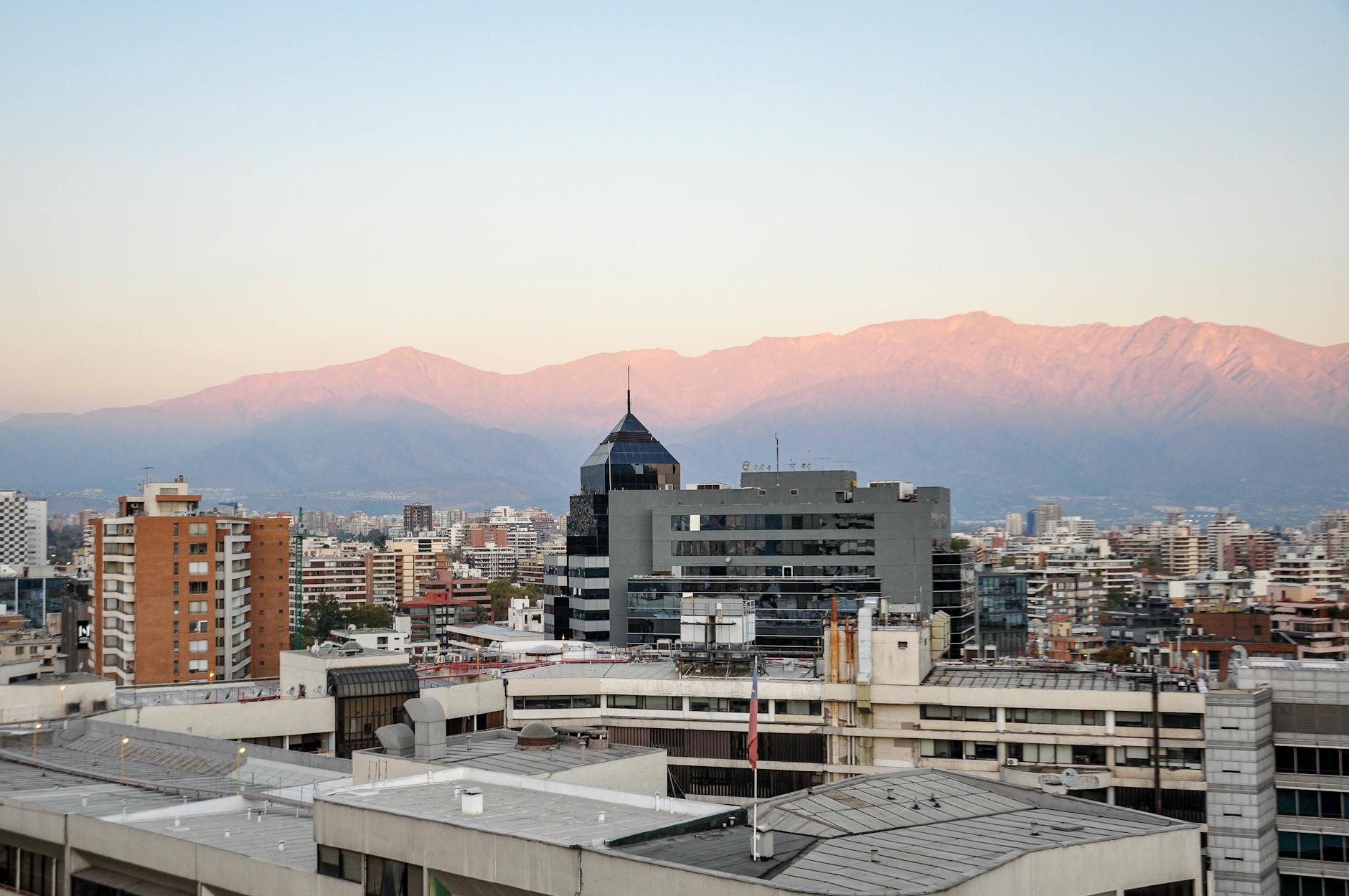
Spanish biologist and geneticist Lluís Quintana-Murci is currently in Chile to participate in the Puerto de Ideas Antofagasta festival. Since 2007, the researcher has led the Human Evolutionary Genetics Unit at the Institut Pasteur, and during his visit, he is exploring the consequences of rapid technological evolution clashing with the slow pace of biological adaptation.
During his stay, Quintana-Murci is presenting two lectures: “Where do we come from?” and “From Neanderthals to Covid-19: The Evolution of the Human Genome.” Using population genetics, the scientist reconstructs ancient migratory routes and examines how past epidemics have shaped the human genome.
The specialist notes that medical breakthroughs have drastically increased survival rates. At the beginning of the 20th century, only 38% of Europeans reached the age of 40; today, that figure has risen to 98%. However, he argues that this technological progress is altering our environment much faster than our biology can evolve.
"What was once an advantage in the past can become a disadvantage today," Quintana-Murci explained, as reported by La Tercera. The geneticist cited the example of light skin in Eurasian populations, which evolved to synthesize vitamin D in low sunlight—a trait that now contributes to high skin cancer rates among Europeans living in Australia.
The scientist also warned about how the immune system reacts to the reduction of pathogens. With a lower infectious load in the environment, mutations that once protected us may now be causing the immune system to attack itself, leading to the rise of autoimmune diseases.
For the researcher, this phenomenon represents an "evolutionary mismatch." While he maintains that the species will eventually adapt, he argues that the sheer speed of current technological change calls into question the wisdom of our modern technological evolution.
Quintana-Murci’s career has been shaped by milestones such as the 1997 sequencing of mitochondrial DNA from a Neanderthal. This breakthrough confirmed that the species was a distinct branch from modern humans.
Later, in 2010, Swedish scientist Svante Pääbo—the 2022 Nobel Prize winner in Physiology or Medicine—successfully sequenced the complete nuclear genome of Neanderthals. This discovery proved that non-African human populations carry a percentage of interbreeding with the extinct species.