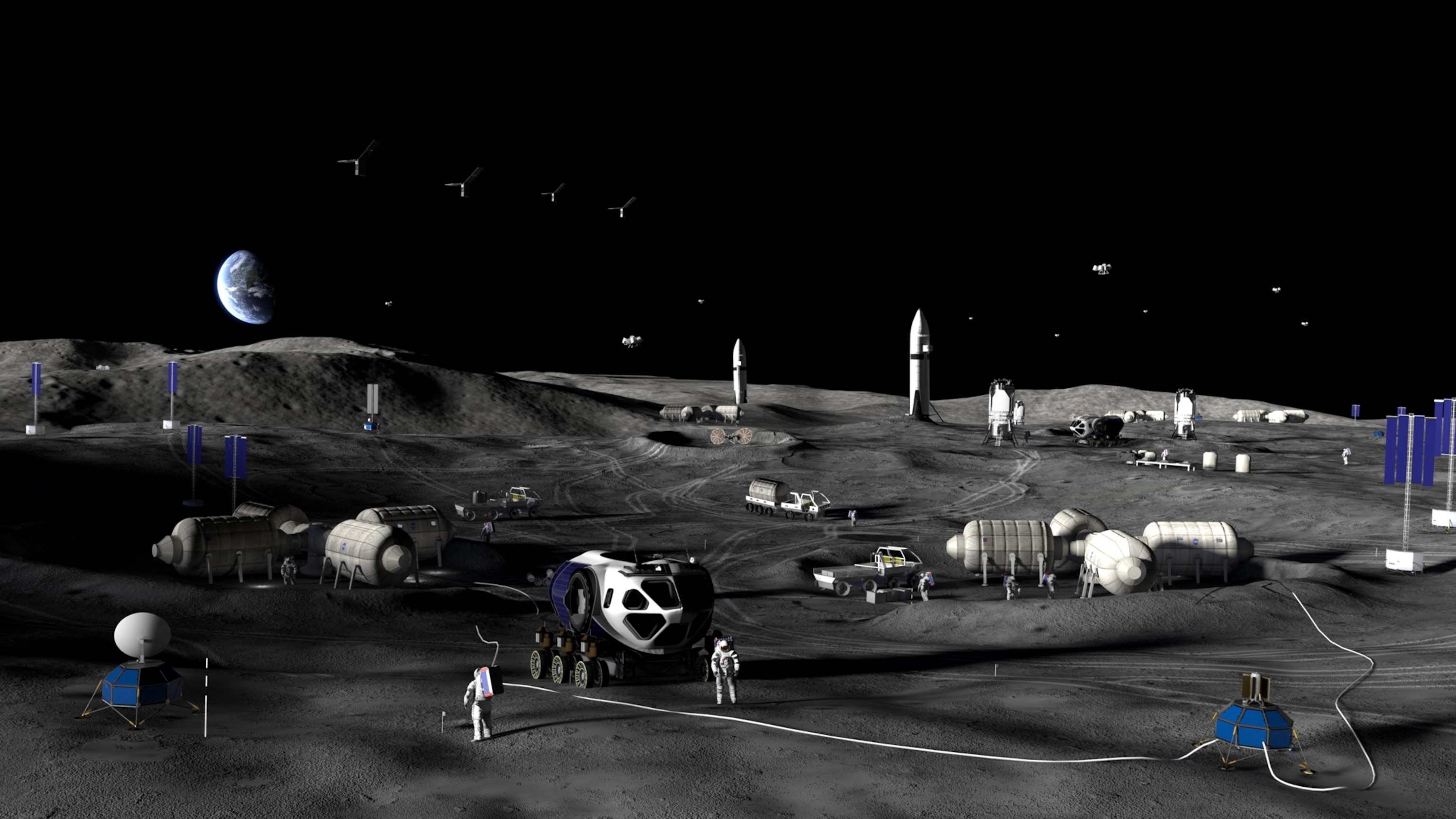
NASA has updated its Artemis program timeline, opting to transform the Artemis III mission into a critical orbital demonstration rather than an immediate lunar landing. The agency now plans to conduct the first crewed landing on the Moon during the Artemis IV mission, slated for the end of the decade.
This strategic pivot represents a move away from the linear approach of the Apollo era. Instead of focusing on a singular, high-stakes touchdown, NASA is prioritizing the development of a sustainable, repeatable architecture for long-term space exploration.
A rehearsal for deep space
Artemis III, now scheduled for mid-2027, will act as a comprehensive "dress rehearsal" in Earth's orbit. The mission aims to validate the complex choreography required for future lunar excursions, including the successful docking of the Orion spacecraft with commercial vehicles.
"The objective is to validate the joint operation of all key elements," according to reports from El Mostrador. Engineers must ensure the Space Launch System (SLS) rocket, the Orion capsule, and private landing systems can integrate seamlessly. Any failure in these docking or communication sequences would jeopardize the entire mission chain.
By separating the demonstration from the landing, NASA intends to reduce risk. The agency is moving toward a hybrid model where private enterprises develop human landing systems, providing the flexibility needed for a scalable lunar presence.
Scientific interest remains centered on the lunar south pole, a region believed to contain water ice. Accessing these resources could prove essential for future missions, potentially allowing astronauts to produce oxygen and rocket fuel on-site.
Beyond landing, the program relies on the Gateway, a small lunar-orbiting station. Gateway will function as a logistics hub, allowing for the storage of supplies and the coordination of sustained operations. This shift marks the transition of the Moon from a destination to an operational environment.
NASA officials view these efforts as a vital testing ground for the "Moon to Mars" initiative. By solving challenges related to radiation, isolation, and system reliability on the Moon, the agency is preparing for the far more complex task of sending humans to the Red Planet.