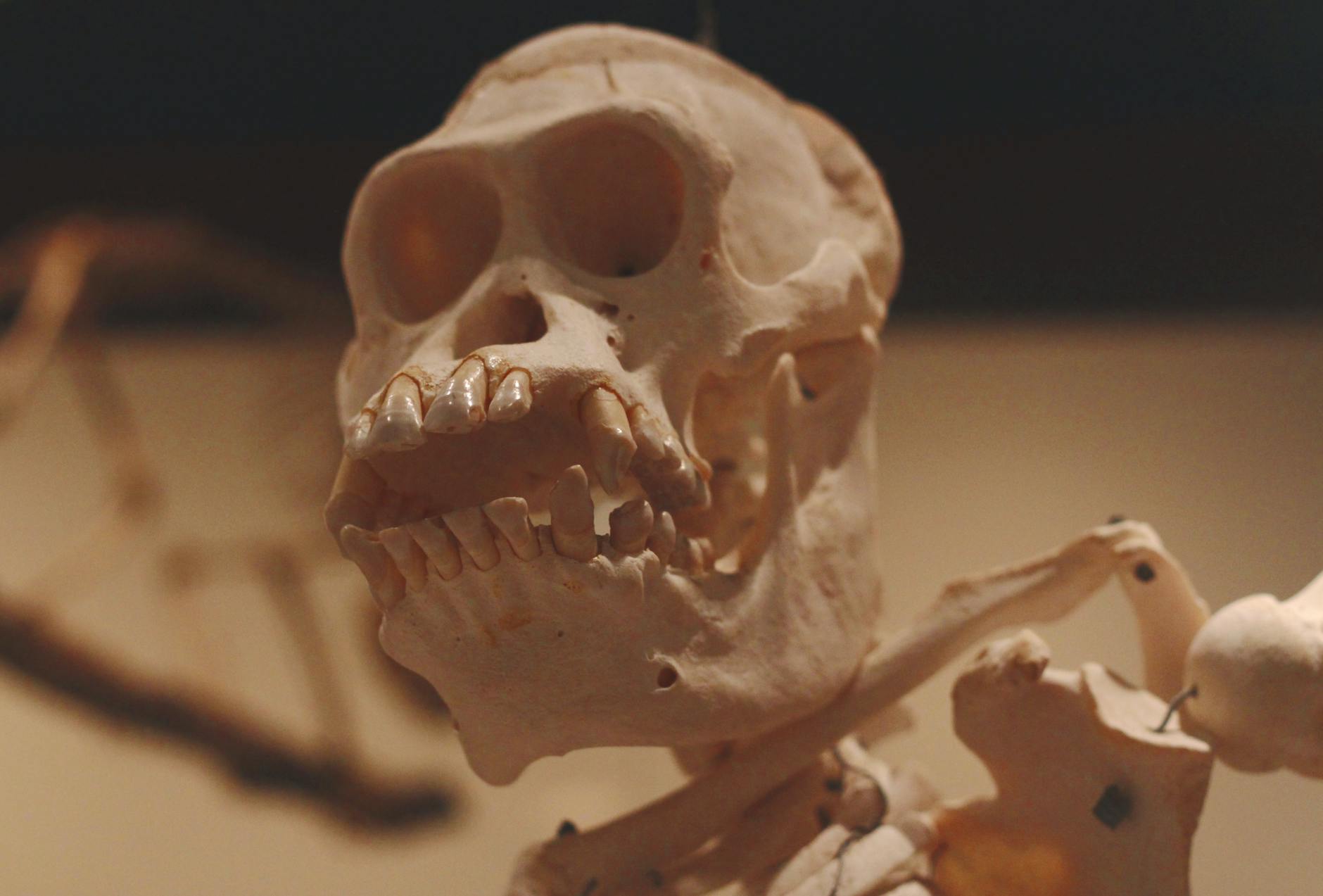
Archaeologists in China have unearthed fossilized remains that fundamentally alter the timeline and geography of human evolution. The discovery provides physical evidence that the transition to modern humans was a diverse, global process rather than a linear migration from Africa.
According to a report published by El Cronista, the fossils display a unique combination of archaic hominid traits and modern Homo sapiens characteristics. Researchers note this "hybrid morphology" indicates that ancient species did not vanish abruptly. Instead, these groups engaged in extensive interbreeding and parallel evolution across the Asian continent hundreds of thousands of years ago.
Rethinking the human timeline
Scientists utilized high-precision luminescence and isotope analysis to date the remains. These techniques confirm the individuals lived in a period previously thought to be inhabited only by primitive ancestors. The findings directly contradict the long-standing "Out of Africa" model, which proposed that modern humans migrated to Asia only 60,000 years ago.
Alongside the fossils, the excavation team recovered stone tools featuring advanced design and retouching techniques. These artifacts rival European and African tool industries from the same era, proving that technological innovation was a global phenomenon long before the dawn of recorded history.
Anthropologists now view this evidence as a corrective to previous theories rather than a total invalidation of African origins. The data suggests that humanity emerged from a complex web of movement, genetic mixing, and environmental adaptation across multiple continents.
This discovery forces a departure from the idea of a single "cradle of humanity." Instead, the evidence points toward a multiregional model characterized by constant genetic flow and cultural interaction. Modern sequencing of ancient DNA and advanced geological dating remain the primary tools for researchers attempting to reconstruct this prehistoric narrative.