Escalating Conflict Triggers Market Volatility
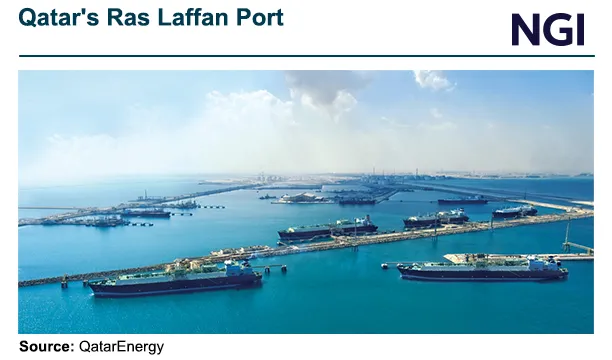
Global energy markets are reeling following a significant escalation in Middle Eastern hostilities. On Thursday, Brent crude prices surged past the $112-per-barrel mark, extending gains after a volatile session. The spike comes in the wake of retaliatory missile strikes by Iran targeting energy facilities across the region, most notably the Ras Laffan LNG processing hub in Qatar.
The conflict, which marks a sharp downturn in regional stability, has drawn in major global powers. Following strikes on the South Pars gas field—an installation shared by Iran and Qatar—Iran launched a series of attacks on Qatari infrastructure. This move has prompted immediate concern regarding the security of the global natural gas supply chain.
Infrastructure Under Threat
QatarEnergy confirmed that the Ras Laffan Industrial City, a cornerstone of global LNG exports, sustained widespread damage during the Iranian strikes. The site is responsible for approximately 20% of the world’s liquefied natural gas trade, making any disruption to its operations a matter of international economic urgency. Analysts at ING Group have noted that the market is now grappling not only with the immediate loss of output but with the unknown duration of necessary repairs at the facility.
Simultaneously, the situation in Saudi Arabia remains tense, with authorities reporting the interception of four ballistic missiles aimed at Riyadh, alongside a thwarted drone attack on a local gas facility. These events follow a series of evacuation warnings issued by Tehran regarding oil facilities in Saudi Arabia, the UAE, and Qatar.
The Geopolitical Chessboard
U.S. President Donald Trump addressed the situation on Wednesday, explicitly attributing the initial strike on the South Pars gas field to Israeli forces. In an effort to contain the fallout, the U.S. administration clarified that neither Washington nor Doha was involved in the provocation. President Trump issued a stern warning that the U.S. would intervene if Iran targeted Qatar, while simultaneously urging Israel to avoid further strikes on Iranian facilities in the South Pars region.
Despite these diplomatic efforts, the market impact remains severe. West Texas Intermediate (WTI) crude is currently trading at its widest discount to Brent in over a decade, a phenomenon experts attribute to the release of U.S. strategic reserves and the rising costs of maritime freight.
Natural Gas Markets Face Uncertainty
Beyond oil, the natural gas sector is facing acute pressure. Prices on the Dutch Title Transfer Facility jumped by more than 6% on Thursday morning. The potential for long-term supply disruptions is particularly high for nations dependent on Iranian exports.
"Potential disruptions to these flows would leave countries like Turkey looking elsewhere for supply, potentially increasing reliance on Russia for additional pipeline gas," noted Warren Patterson, head of commodities strategy at ING Group. As the region remains in a state of high alert, traders are pricing in a significantly higher risk premium, fearing that the current instability in the Persian Gulf may lead to a sustained energy crisis.