Sudanese civilians and activists are calling for an immediate ceasefire and a new political roadmap to end the conflict that has devastated the nation for over 1,000 days.
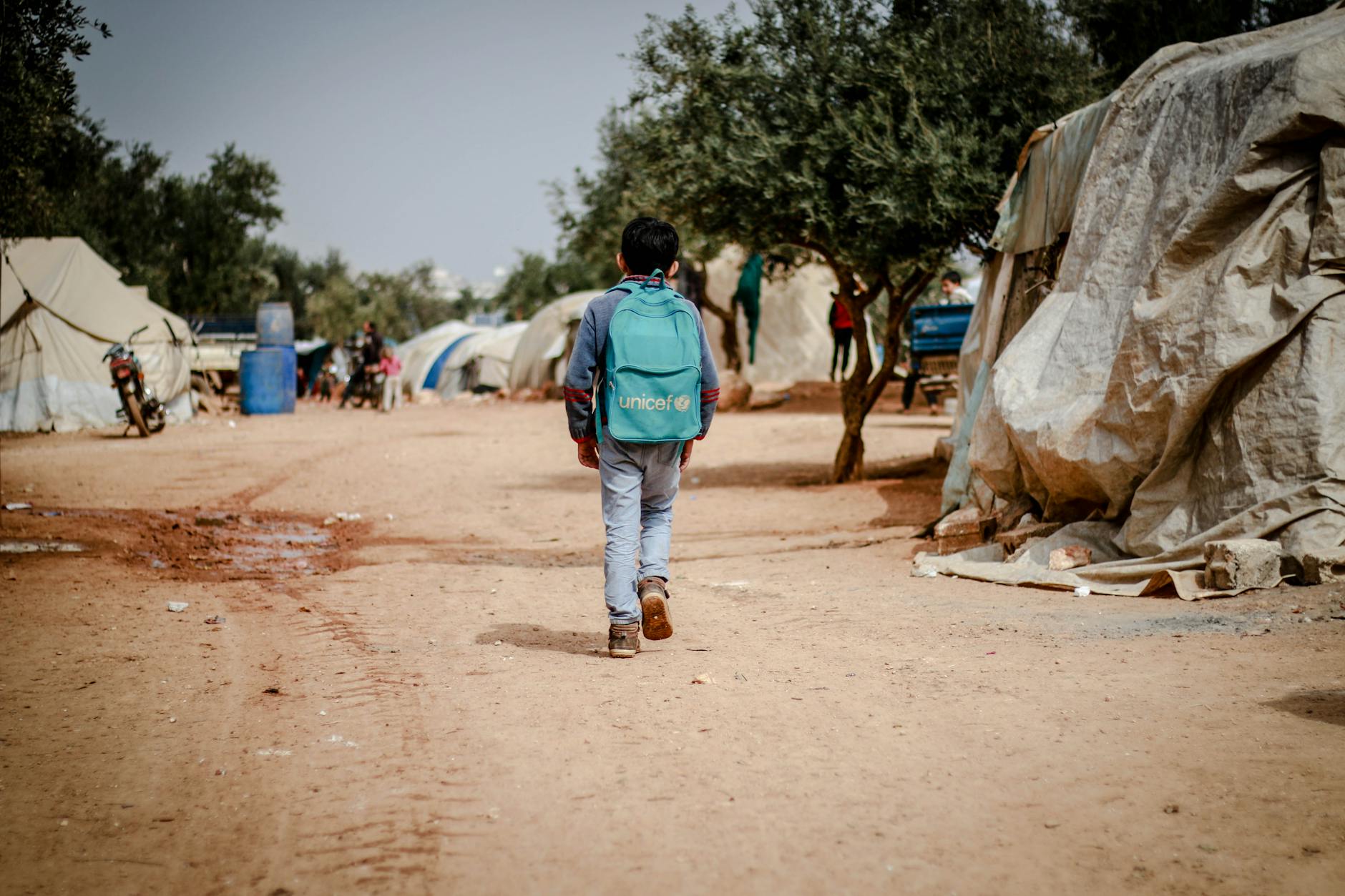
The war, which erupted on April 15, 2023, between the Sudanese Armed Forces (SAF) and the Rapid Support Forces (RSF), has killed tens of thousands and displaced millions from their homes.
Advocates argue that a mere cessation of fighting is insufficient. They are demanding a process that guarantees safety, protects civilian infrastructure, and ensures access to basic services like hospitals and schools.
Beyond the military stalemate
The current conflict is not a simple two-sided battle. While the SAF and RSF represent the visible face of the war, more than 10 armed groups are active on both sides, each with distinct community interests.
Critics of the RSF point to the group's history as the successor to the Janjaweed militia and its role in widespread atrocities, including systemic sexual violence and the destruction of universities and markets.
"The RSF has nothing to offer Sudan except a litany of damage and horrors," according to recent appeals from Sudanese commentators.
Meanwhile, the SAF faces criticism for its failure to provide a political vision and its inability to maintain a functioning state system amidst widespread corruption.
Activists state that the focus of negotiations must shift away from the RSF-SAF dichotomy. They argue that a successful mediation must include all political actors and the Sudanese people to prevent a repeat of the failed 2019 transition.
Protesters and displaced populations are currently prioritizing stability and the right to return to their villages over high-level governance debates. They seek an end to looting, arbitrary detention, and the breakdown of the national economy.
Observers say the responsibility for brokering a lasting peace rests largely with the United Nations Security Council, which holds the power to enforce a meaningful end to the hostilities.