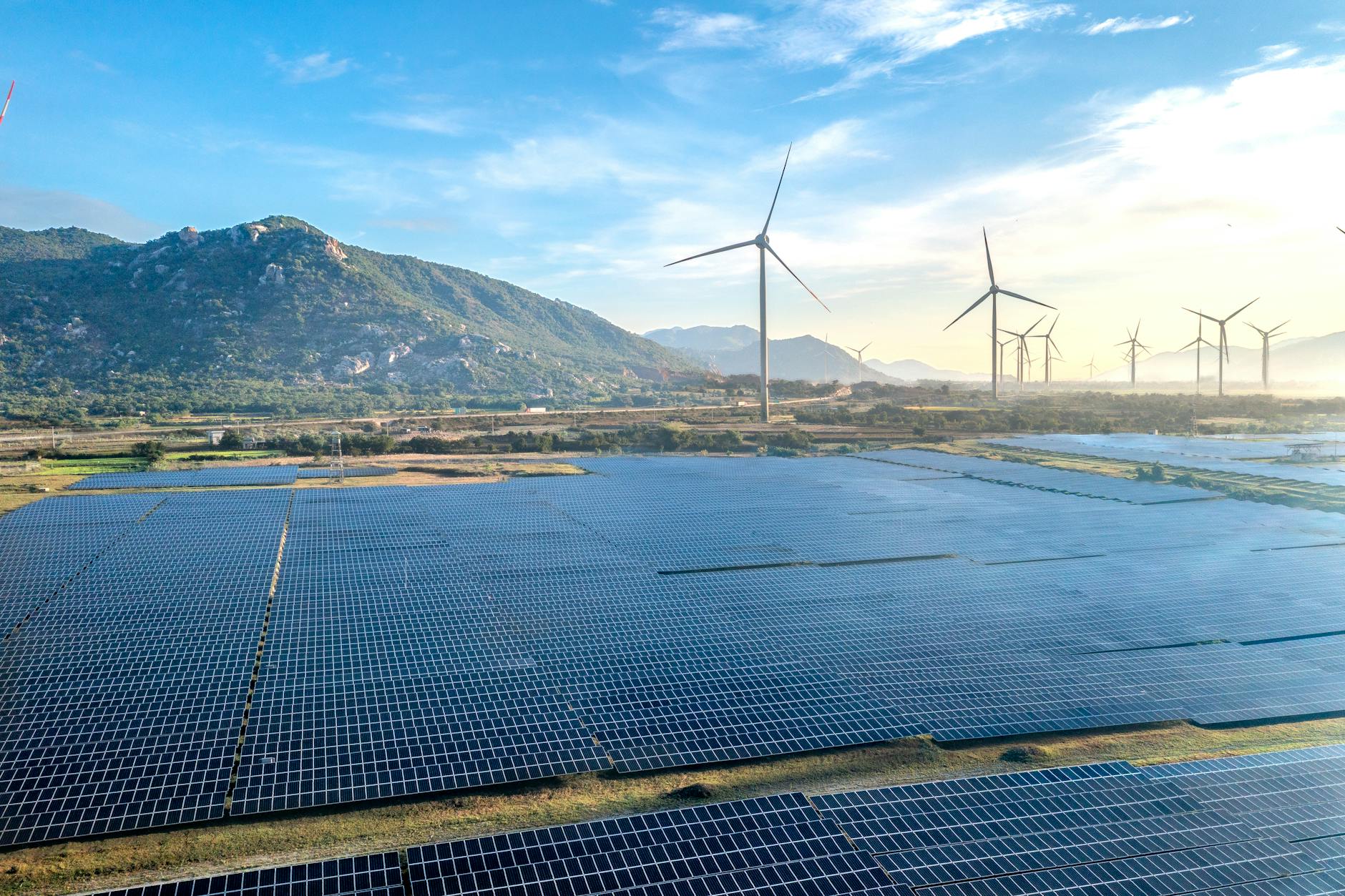
The First Conference for a Transition Beyond Fossil Fuels, kicking off this Friday in Santa Marta, Colombia, aims to establish a roadmap for committed nations to advance the abandonment of hydrocarbons.
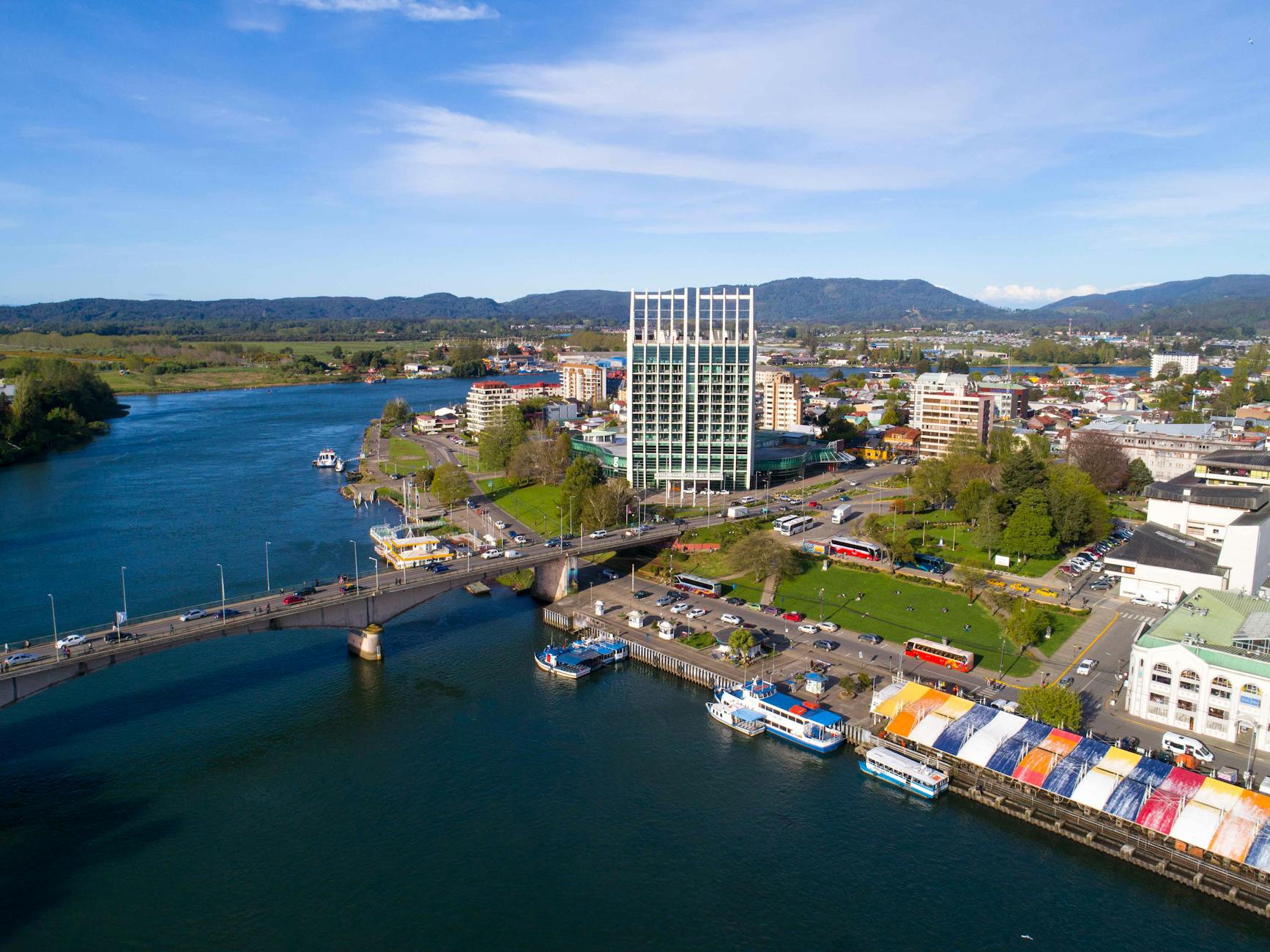
Florencia Ortúzar, director of the Climate Program at the Inter-American Association for Environmental Defense (AIDA), noted that in Chile, the challenge lies in deepening this process through the lenses of justice, participation, and regional development.
As reported by the Chilean news outlet elmostrador.cl, Ortúzar emphasized that the energy transition should not be limited to merely switching energy sources; it must incorporate development models that better distribute benefits and integrate local communities.
Pillars for a lasting transition
To ensure the Santa Marta conference results in more than just a series of declarations, Ortúzar identified three essential conditions. The first is legitimacy—ensuring that voices from the Global South are at the heart of the debate rather than being treated as mere guests.
The second pillar is the durability of agreements. Ortúzar insisted that commitments must be shielded from changes in government and transformed into permanent state policies and enforceable domestic legislation.
Finally, continuity is key. Ortúzar argued that there is no need to reinvent the progress already made under the Paris Agreement or Nationally Determined Contributions (NDCs), but rather to build upon that existing foundation.
The expert also linked the current energy crisis to geopolitical instability. She noted that conflicts in the Middle East and tensions in the Strait of Hormuz demonstrate that dependence on fossil fuels poses a risk to both public security and human rights.
“The war and the closure of the Strait of Hormuz are showing the world that dependence on fossil fuels is not just a climate problem; it is also a public security risk,” Ortúzar stated.
Regarding legal barriers, such as investment treaties that protect fossil fuel projects, the director of AIDA proposed the possibility of forming a regional bloc to renegotiate these clauses. The goal would be to update the rules of the game to guarantee state sovereignty without compromising legal certainty for investors.