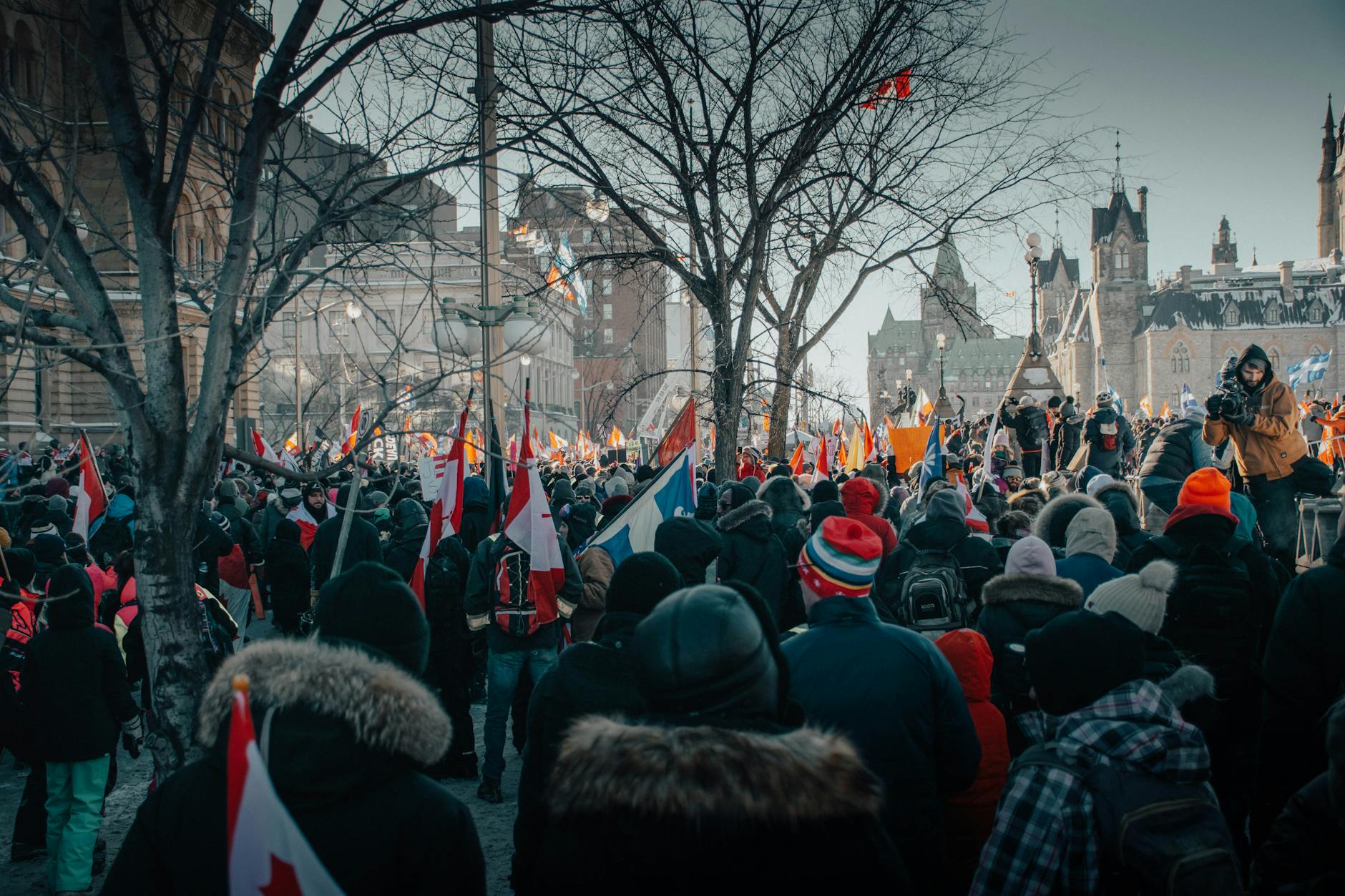
Protestors across Canada gathered Tuesday to demand the government reverse planned funding cuts to the Interim Federal Health Program (IFHP). The demonstrations, including a major rally in Toronto, target new co-payments for refugees and asylum seekers set to take effect on May 1.
Under the new rules, beneficiaries will face a $4 co-payment for eligible prescription medications. Additionally, patients must now cover 30 percent of the costs for supplemental services, including dental care, vision care, and counseling.
"We want to make sure that we have a universal healthcare system, and we also don’t want a system that punches down against vulnerable people and migrants," Dr. Ritika Goel told Al Jazeera during the Toronto protest.
Immigration, Refugees and Citizenship Canada (IRCC) defended the move as a way to ensure long-term sustainability. A spokesperson for the agency stated that the changes will help manage growing demand and keep the program consistent with other public health benefits.
Risks to vulnerable populations
Healthcare professionals and legal experts argue the costs will be prohibitive for newcomers. Aisling Bondy, president of the Canadian Association of Refugee Lawyers, said the financial burden could discourage people from seeking essential medical support.
"That is very concerning," Bondy said, noting that many arrivals have experienced significant physical and psychological trauma.
Dr. Margot Burnell, president of the Canadian Medical Association, warned that the policy could backfire by increasing overall system expenditures. She noted that when patients cannot afford medication, preventable conditions often escalate into expensive emergency room visits.
"The new co-payments will also create additional administrative burden for frontline providers," Burnell said in a letter to the health minister.
The cuts follow a shift in Canadian immigration policy under Prime Minister Mark Carney. Since taking office in March 2025, Carney has implemented restrictions on temporary visas and introduced massive budget reductions across federal departments.
This is not the first time the IFHP has faced such scrutiny. In 2014, the Federal Court of Canada ruled that similar cuts implemented under former Prime Minister Stephen Harper amounted to "cruel and unusual" treatment and violated the Canadian Charter of Rights and Freedoms.