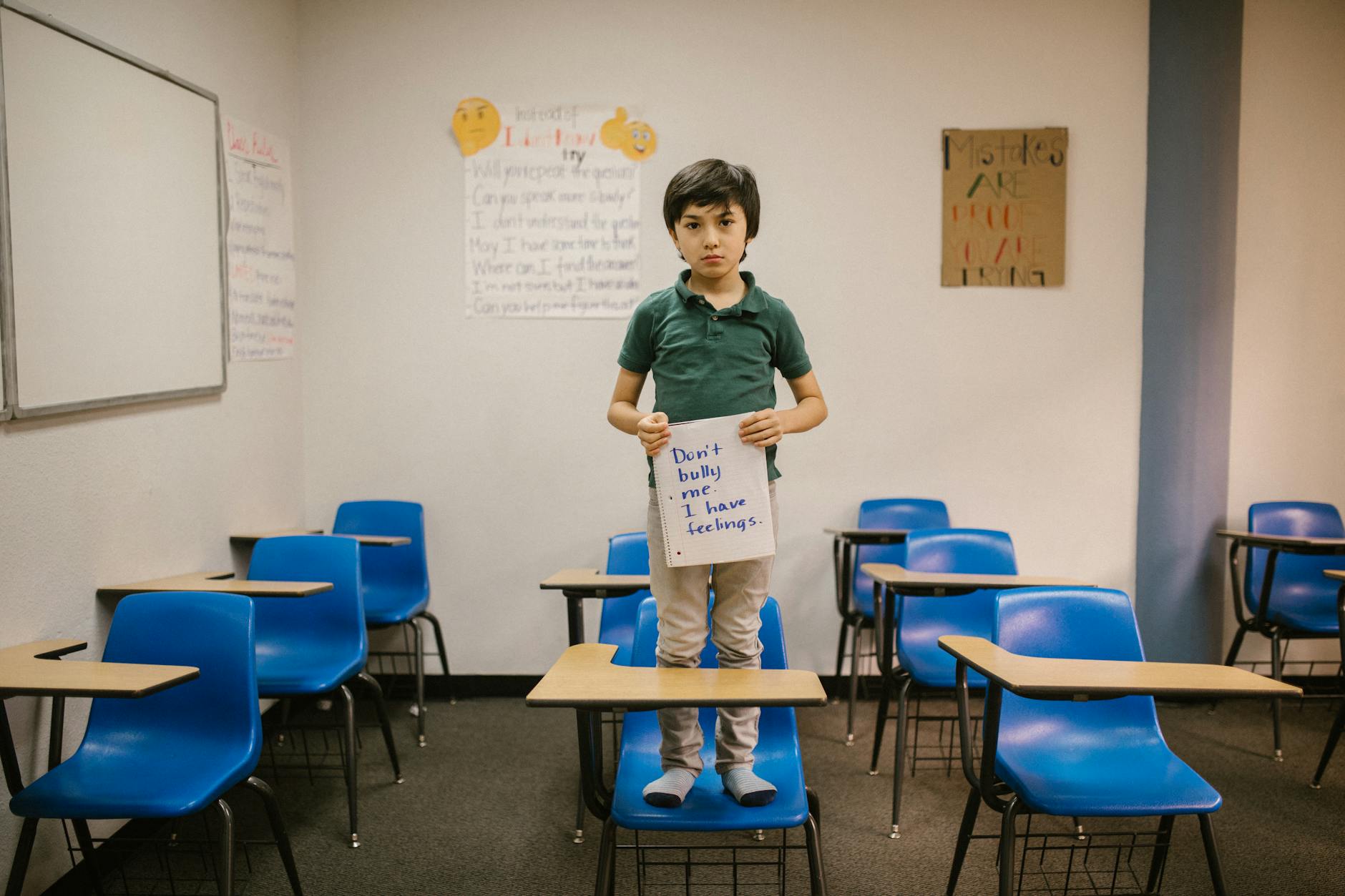
School violence in Chile saw a 74% increase between 2023 and 2024, according to data cited in a column published by latercera.com. The crisis is directly impacting the adolescent population, with 44% of tenth-grade students reporting that they have been victims of bullying.
Dr. Juana Villarroel Garrido, a psychiatrist at the University of Chile Clinical Hospital, warns that the situation is beginning to resemble an epidemic. According to the specialist, a study published inFrontiers in Educationrevealed that 63% of Chilean adolescents show signs of anxiety, while 60% exhibit symptoms of depression.
Deficiencies in public investment
The crisis is linked to structural failures within the educational system and a lack of state investment. Villarroel Garrido points out that the OECD identifies the Chilean system as the most segregated among its members. Furthermore, mental health spending does not exceed 2% of the total budget, falling far short of the 5% commitment previously made.
Coverage for child and adolescent mental health care reaches only 20%. This lack of resources has had fatal consequences within the school community, such as the tragedies in Calama, where teacher Katherine Yoma lost her life in 2024, and inspector María Victoria Reyes in 2026.
The psychiatrist criticized the tendency to treat school violence solely as an individual clinical issue. "A diagnosis doesn't change the neighborhood. A prescription doesn't replace public policy," Villarroel Garrido stated in her publication.
For the specialist, protecting adolescents depends on secure bonds, a sense of community belonging, and a tangible state presence. She maintains that while Chile has the necessary laws and programs in place, there is a lack of political will to fund and implement the measures required to close the current gap.