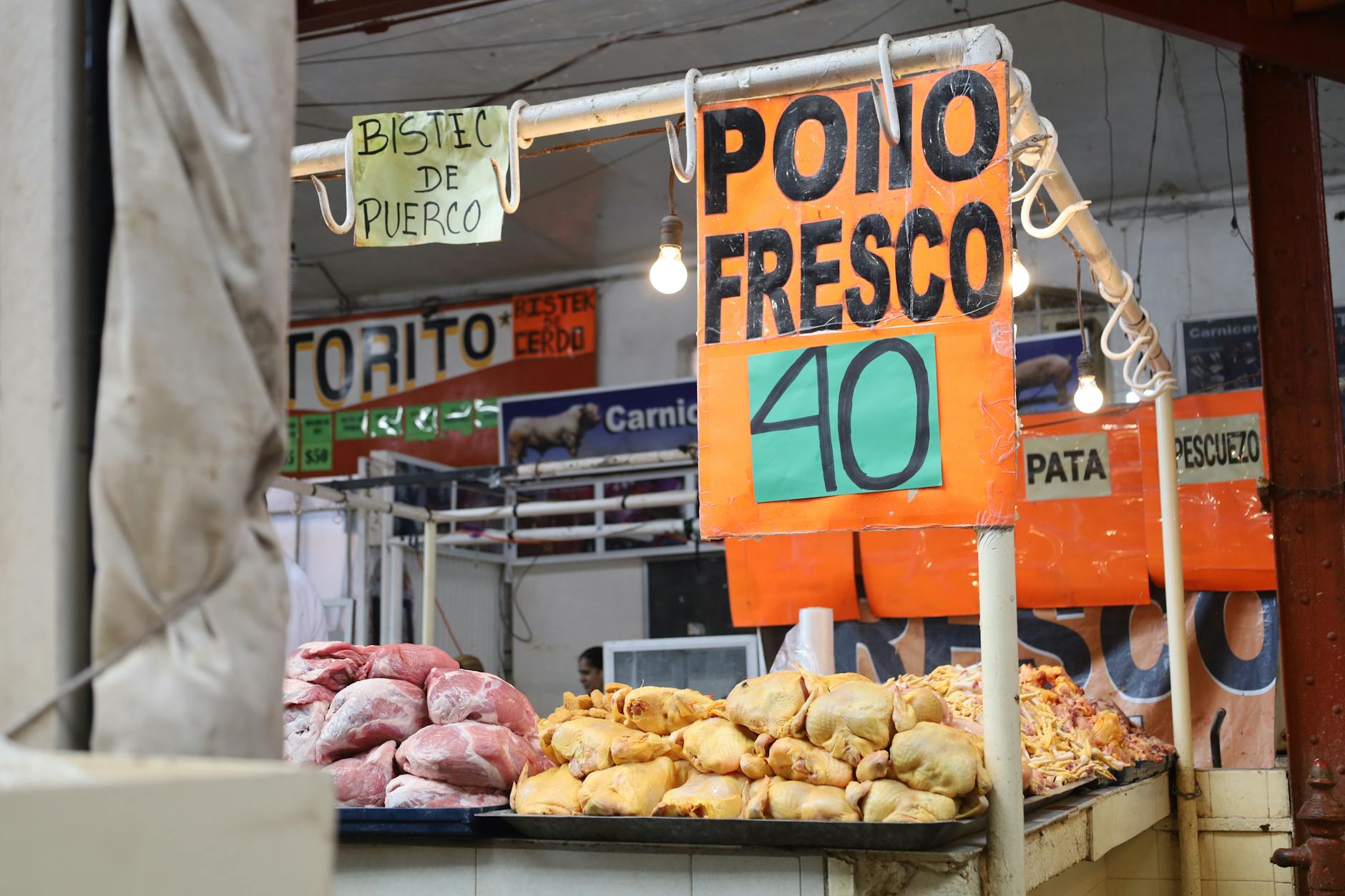
Microbiology experts are warning consumers to stop washing raw chicken under the tap to prevent the spread of dangerous bacteria. The practice, often done to clean the meat, actually increases the risk of foodborne illnesses through cross-contamination.
Enzo Palombo, a microbiology professor at Swinburne University of Technology, identifies Campylobacter and Salmonella as the primary threats found in raw poultry. These bacteria survive the washing process and can spread throughout the kitchen via water droplets.
The danger of splashing
A 2022 study published in the journal Physics of Fluids demonstrated that bacteria can hitch a ride on water droplets falling from the meat. The risk of transmission increases with higher faucet pressure and greater water flow.
"The aerated water—which is what you get when the tap is opened with high pressure—also increases splashing and the transmission of bacteria," Palombo noted in an article for The Conversation.
Many people believe that rinsing chicken with water, lemon, or vinegar removes impurities or pathogens. However, Palombo asserts that these methods do nothing to kill the bacteria present on the surface. Only thorough cooking can ensure the meat is safe to eat.
Modern processing techniques also mean that poultry arrives at the store sufficiently clean. While some consumers believe they need to wash away residues or feces, Palombo explains that modern production standards eliminate the need for additional cleaning.
If consumers still choose to handle the meat in a way that involves moisture, experts suggest using a sink filled with water rather than an open running tap. Another safer alternative is using paper towels to pat the meat dry, followed by immediate disposal of the towel and thorough cleaning of all contact surfaces.
Palombo concludes with a vital reminder for anyone handling raw poultry: always wash your hands immediately after contact with raw meat to maintain kitchen safety.