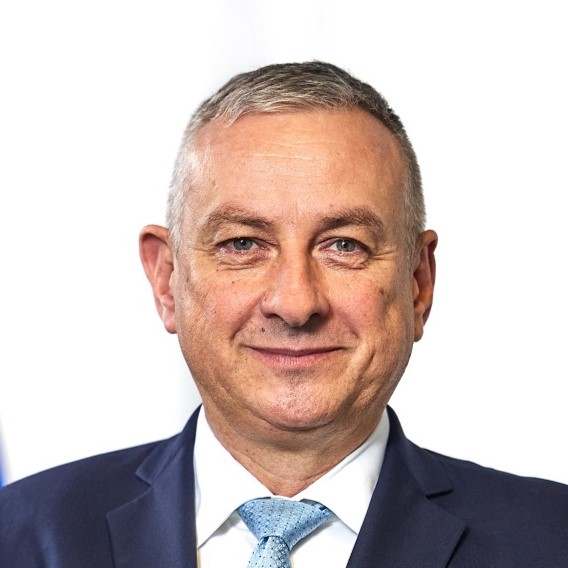
European Commissioner for International Partnerships Jozef Síkela announced a fundamental shift in the European Union's global health strategy during an interview on France 24 on Tuesday. Síkela argued that the international community must move away from reactive crisis management and toward a long-term model focused on prevention.
Síkela described global health as being at a critical crossroads. He noted that the COVID-19 pandemic exposed the reality that health crises are not isolated incidents but systemic shocks that trigger profound economic and social instability.
A new focus on resilience
According to the Commissioner, the current landscape is defined by a convergence of risks. These include the emergence of new diseases driven by climate change, a steady decline in global health funding, and fragmented international governance structures.
"Prevention must replace reaction as the organizing principle of global health," Síkela stated. He argued that sustaining a science-driven, multilateral approach is necessary even as resources become increasingly constrained.
To achieve this, the EU plans to prioritize the reinforcement of country-led health systems. Síkela emphasized that the bloc will focus on fostering equitable partnerships, particularly with African nations, to integrate health security with broader economic development goals.
He maintained that global health security is directly linked to global stability. Because diseases move across borders without restriction, Síkela asserted that international solutions must be equally mobile and integrated to remain effective.