Autism awareness initiatives frequently fail to translate into tangible progress for the neurodivergent community, according to recent critiques published in El Mostrador. While public recognition of autism has grown, activists argue that systemic barriers in schools, universities, and workplaces remain largely unaddressed.
Institutional structures continue to demand that autistic individuals conform to standardized norms rather than adapting environments to accommodate diverse needs. Critics state that current models of support place the burden of adaptation exclusively on the individual, forcing them to engage in exhausting "masking" to fit into spaces not designed for them.
The failure of symbolic support
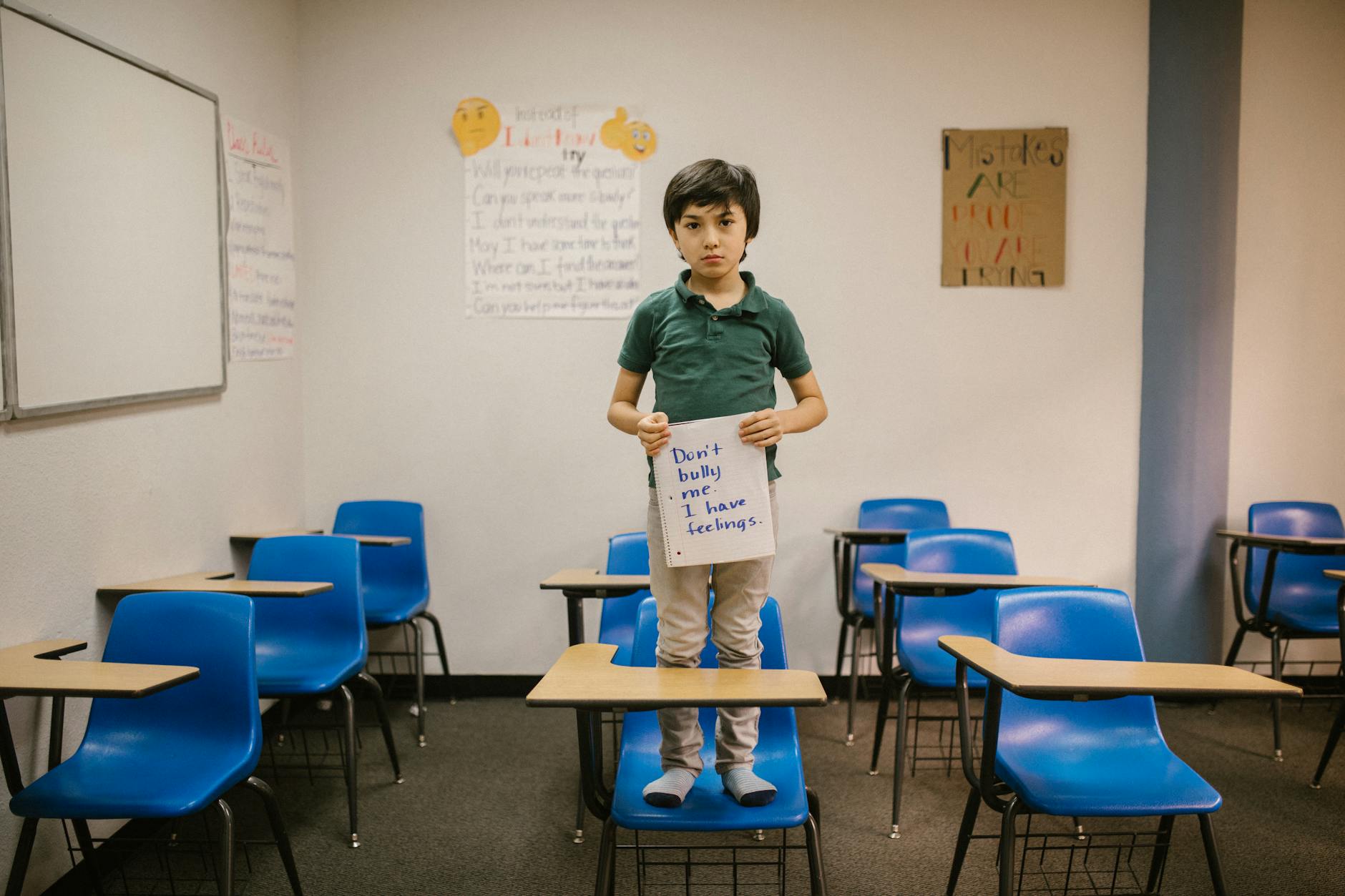
"We continue to design schools that overwhelm, universities that demand without asking, and jobs that expect unilateral adaptation," the report notes. The critique suggests that the problem is not merely a lack of resources, but a fundamental misunderstanding of how difference is valued within society.
True inclusion requires a shift from symbolic gestures to structural redesign. Advocates argue that organizations must stop making decisions for the autistic community and instead prioritize "designing with" individuals. This approach allows for varied forms of communication, different working paces, and alternative ways of navigating daily life.
"The inclusion is not declared. It is built," the analysis states. The push for change centers on the idea that institutions must relinquish control and accept that there is no single valid way to learn, work, or interact.
Ultimately, the critique calls for an honest evaluation of daily practices. It demands that institutions stop rewarding the effort to "fit in" and instead begin questioning the rigid molds that exclude neurodivergent people for the majority of the year, regardless of April’s symbolic visibility campaigns.