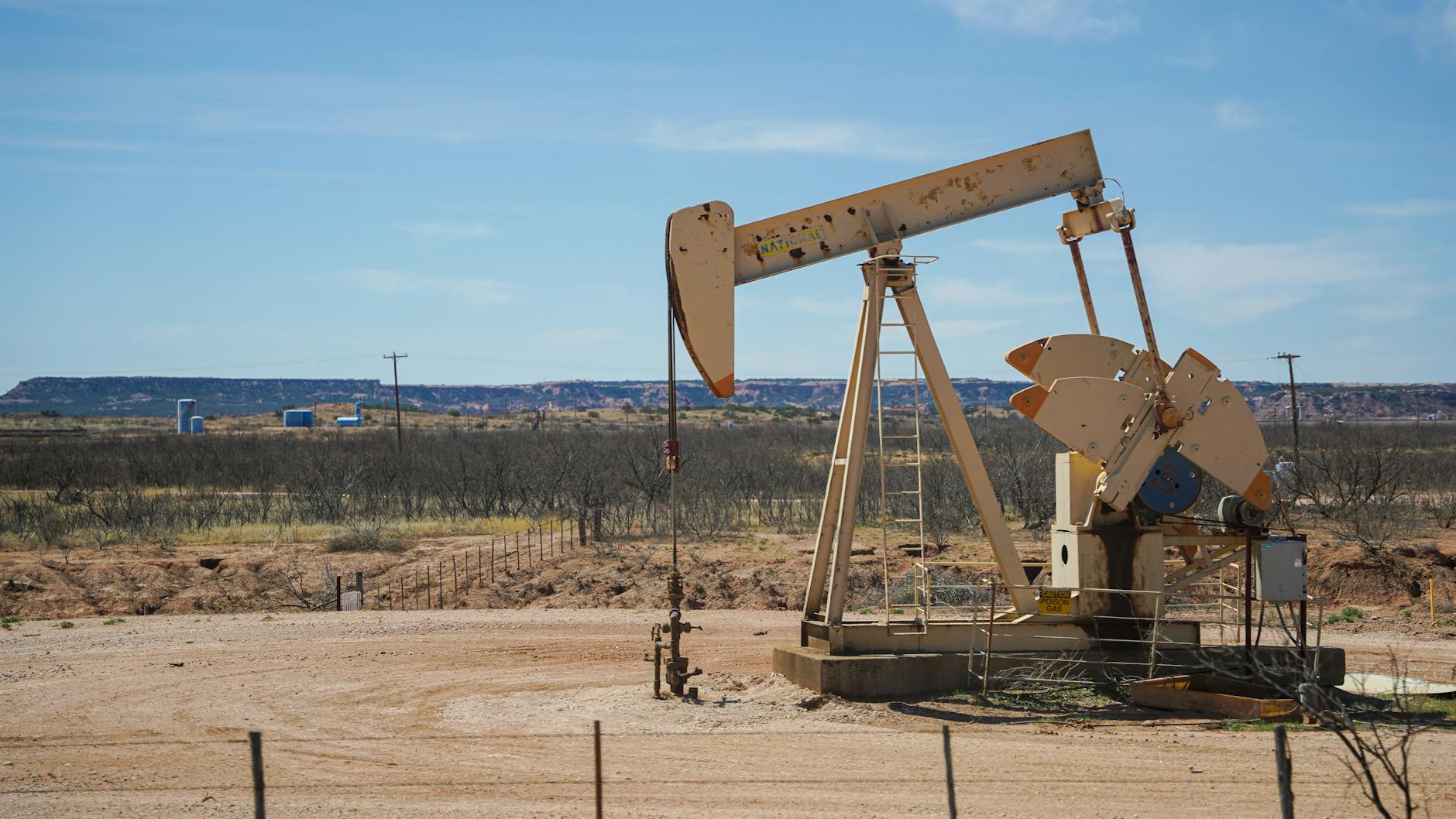
Global oil production plummeted by 10.1 million barrels per day (mb/d) in March due to the ongoing war in the Middle East, marking the largest decline in history, according to the International Energy Agency (IEA).
The IEA reported that production losses from the conflict—which began February 28 following US and Israeli bombings of Iran—accumulated to over 360 million barrels in March. This figure is expected to climb to 440 million barrels in April.
IEA Executive Director Fatih Birol warned in Washington that "april should be worse than march" for the energy sector. He noted that while the market was supplied by tankers loaded before the conflict, that supply chain is now severed.
Birol described the situation as "the most important energy crisis in history," noting its impact extends beyond oil and gas to fertilizers, petrochemicals, and helium.
In early April, Iran's near-total blockade of the Strait of Hormuz reduced the flow of crude, natural gas, and refined products from over 20 mb/d in February to just 3.8 mb/d. Despite efforts by Saudi Arabia, the UAE, and Iraq to use alternative routes, total export losses have exceeded 13 mb/d.
Physical oil prices reached record levels near $150 per barrel, while some distillates in Singapore surged above $290 per barrel. The IEA also significantly lowered its annual demand forecast to 104.259 mb/d, a reduction of 730,000 barrels per day since March.
Geopolitical escalation and economic fallout
The conflict has entered a new phase of economic warfare. President Donald Trump recently declared on Truth Social, "If any of these ships comes even close to our BLOCKADE, it will be ELIMINATED immediately."
Al Jazeera reported that while the US has moved to block the strait, Iran is simultaneously tightening its grip by demanding the right to impose tolls on passing vessels.
This maritime struggle threatens the dominance of the US dollar. Analysts suggest the crisis provides an opportunity for Iran, Russia, and China to promote the 'petroyuan' and a multipolar international order.
China has called for "unhindered navigation" in the strait. Beijing's Foreign Ministry spokesperson, Guo Jiakun, dismissed reports of Chinese arms supplies to Iran as "baseless slanders and malicious associations."
Economic pressure is also mounting within Iran. Iran International reported that the Iranian central bank warned President Masoud Pezeshkian of 180% inflation and the potential loss of two million jobs.
Central bank officials stated the economy faces a "very difficult" period, noting that even if conditions normalize, rebuilding the economy could take 12 years. The bank's governor, Abdolnasser Hemmati, emphasized that a deal with the US and lifting internet restrictions are essential.
Iraq claims to be finding ways around the blockade. Iraqi Ministry of Petroleum spokesperson Saheb Bazoun told the Iraqi News Agency (INA) that "there are agreements with both the US and Iranian parties to bypass the blockade imposed on the Strait of Hormuz, and with all parties to guarantee exports."
Amid the escalating rhetoric, Pope Leo XIV addressed the conflict by stating he does not fear the Trump administration. Speaking to reporters, the Pope maintained that the Vatican’s appeals for peace are rooted in the Gospel.