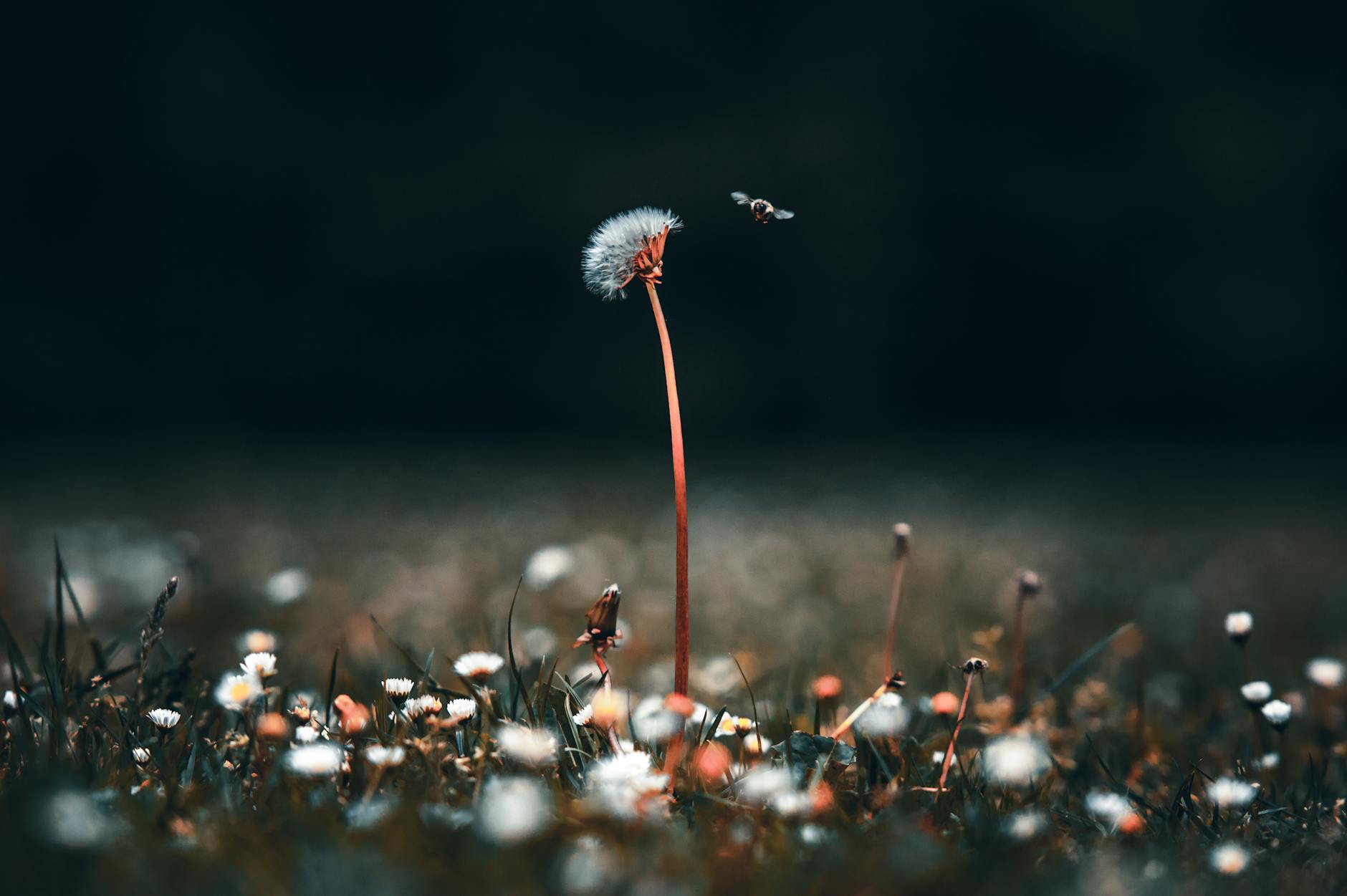
Global heating has extended the pollen season across the UK and mainland Europe by between one and two weeks since the 1990s, according to a study published in the Lancet medical journal.
The findings, reported by The Guardian, show that rising temperatures and higher carbon dioxide concentrations are causing plants to release more pollen. This trend is increasing the prevalence of hay fever and other allergic reactions across the continent.
Research indicates that the pollen seasons for birch, alder, and olive trees began one to two weeks earlier in the 2015-2024 period than they did between 1991 and 2000.
“It’s one of those everyday indicators that show something is getting a little worse for a lot of people,” said Joacim Rocklöv, an environmental epidemiologist at the University of Heidelberg and co-director of the report.
Rising severity and new risks
The severity of birch and alder pollen has increased by 15-20% in parts of southern UK, northern France, Germany, and eastern Europe.
New threats are also emerging as invasive species like common ragweed expand into new territories. The Guardian reports that the pollen from these species is projected to become a widespread health problem across Europe.
Katharina Bastl, a pollen researcher at the Medical University of Vienna, noted that while global warming has impacted pollination, the regional effects are difficult to assess. “Pollen allergies are a health risk of climate change,” Bastl said.
The report, compiled by 65 researchers from 46 institutions, also tracked broader climate-related health impacts. It found that heat deaths increased by an average of 52 deaths per million people during the study period.
Extreme heat warnings have also quadrupled, while the potential for dengue virus transmission has more than tripled in recent decades. The study also highlighted that 983 European regions experienced more intense summer droughts compared to the previous four decades.
Researchers say the findings highlight an urgent necessity to adapt to a warmer planet through measures like greening cities and improving public health guidance. They also called for shifting fossil fuel subsidies toward clean energy.
Cathryn Tonne, an environmental epidemiologist at the Barcelona Institute for Global Health, stated that the window for action is narrowing but Europe can still protect lives by improving air quality and safeguarding vulnerable populations.