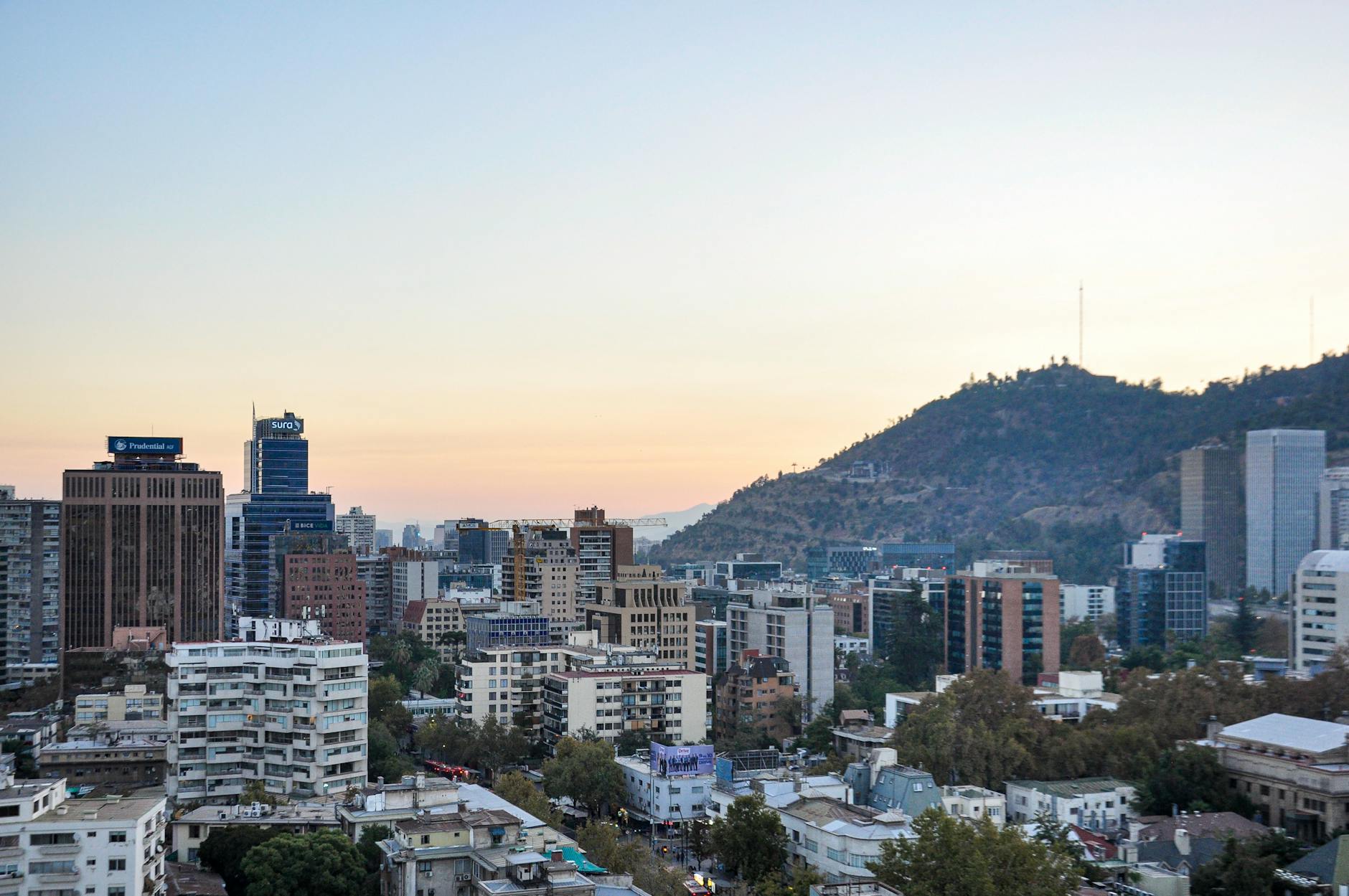
Santiago is positioning itself as a strategic hub for South American tourism, leveraging its high connectivity and diverse service offerings, according to a report by elmost_dor.cl.
The country concluded 2025 with more than 6 million international visitors, the highest number of arrivals recorded in the country since 2017.
The vast majority of these travelers entered through Arturo Merino Benítez International Airport, which serves as the nation's primary gateway and a vital asset for national development.
Security and management challenges
Despite this potential, the capital faces critical hurdles in consolidating its leadership. The report from elmostrador.cl highlights that security is the single factor most capable of rapidly damaging an urban destination's reputation.
Unsafe public spaces, tourist neighborhoods, and transportation systems pose a significant risk to the city's competitiveness. The report notes that no destination can thrive if visitors perceive risks within their environment.
Another area of concern is the management of mountain resorts. Traffic congestion during peak seasons is already impacting the region's image.
Furthermore, transportation infrastructure and airport governance require urgent improvements. The ease of access and the overall passenger experience at the international terminal remain inconsistent for travelers.
Developing integrated tourist routes remains another pressing task. Santiago needs to better connect its cultural, gastronomic, and natural attractions through modern signage and efficient transport.
The Regional Sustainable Tourism Policy, driven by the Santiago government, aims to align public and private priorities. However, its success will depend on measurable goals, clear timelines, and dedicated funding.