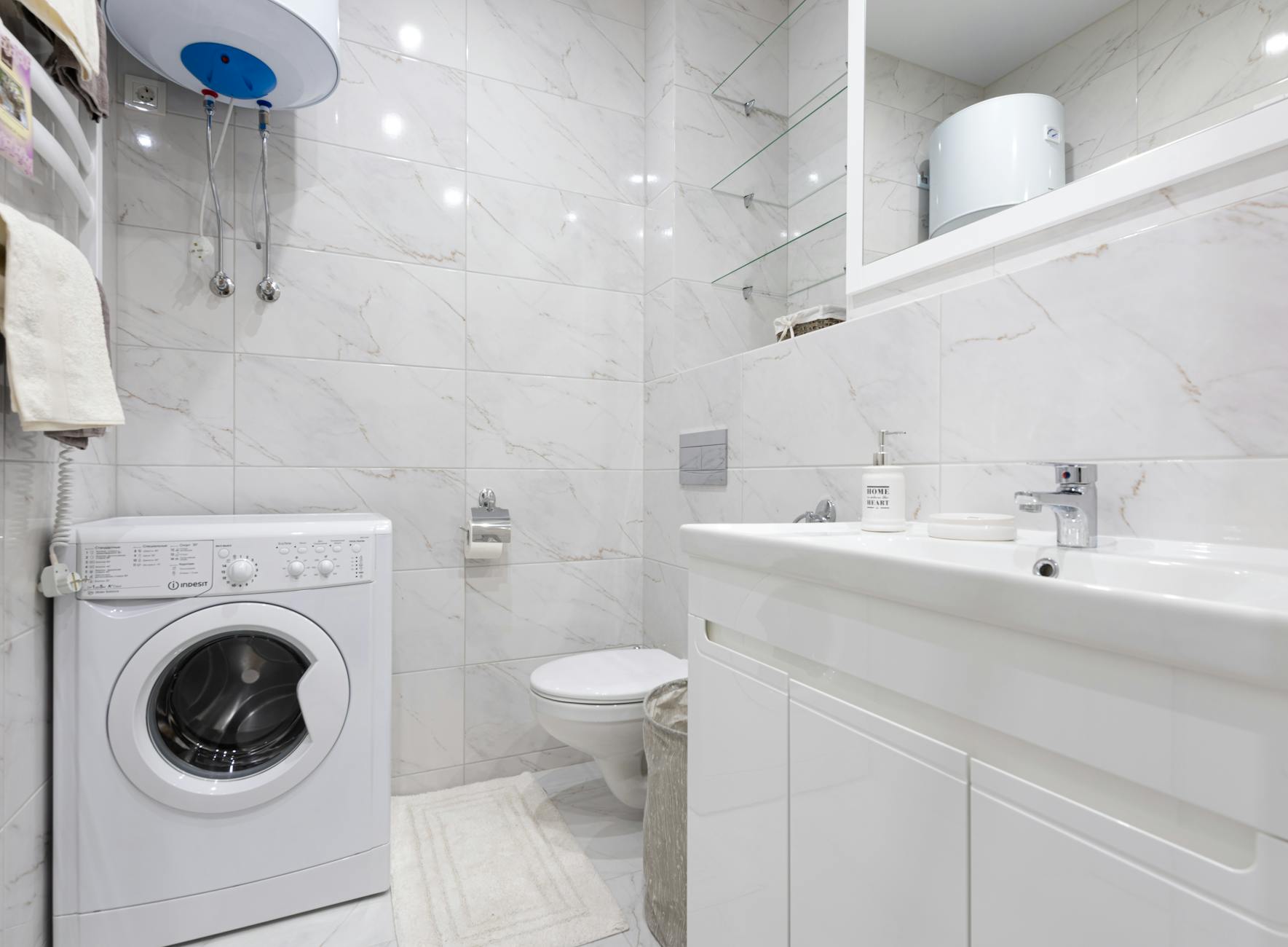
Japan's largest bathroom manufacturer, Toto, has suspended new orders for modular bathroom units as instability in the Middle East disrupts the supply of petroleum-derived products.
The company announced Tuesday that it is pausing the receipt of new orders and delaying deliveries due to shortages in essential components.
“Due to the shortage of some components, we cannot process orders correctly and, therefore, we have been forced to suspend them temporarily,” Toto said in a statement regarding the status of its modular bathroom supply.
The manufacturer attributed the decision to the “deteriorating situation in the Middle East.” The company stated it is working “diligently” with suppliers to resume order processing as soon as possible.
While new orders are paused, Toto confirmed that previously confirmed delivery dates will proceed as scheduled. Requests for other product lines remain unaffected.
Supply chain volatility hits industry
Middle East tensions have impacted the availability of naphtha and other petroleum derivatives used to produce adhesives for bathroom partitions and solvents for bathtub coatings, according to NHK.
Other industry giants, including Lixil and Panasonic, also reported delivery delays this Tuesday. Lixil noted that delivery dates for modular bathrooms are now “indefable” following a surge in demand and supply bottlenecks.
“In the midst of escalating tensions in the Middle East, we have received a significantly higher volume of orders than usual since April 13,” Lixil stated. The company added that orders placed from April 14 will face indefinite delivery timelines.
Lixil warned that it may eventually be forced to suspend orders entirely depending on the stability of raw material supplies. Panasonic similarly announced it will suspend the ability to provide immediate delivery dates for affected products.
Japanese Prime Minister Sanae Takaichi has ordered the Ministry of Economy, Trade and Industry to investigate the stability of essential material supplies. Minister Ryosei Akazawa is tasked with determining how long manufacturers can maintain current supply levels for petroleum-derived products.