A series of recent reports explores how both physical mechanisms and social frameworks dictate the way energy and information circulate within environments.
From the mechanical operation of cooling systems to the linguistic architecture of professional debate, these analyses highlight the underlying patterns that govern daily life.
Mechanical and Energy Dynamics
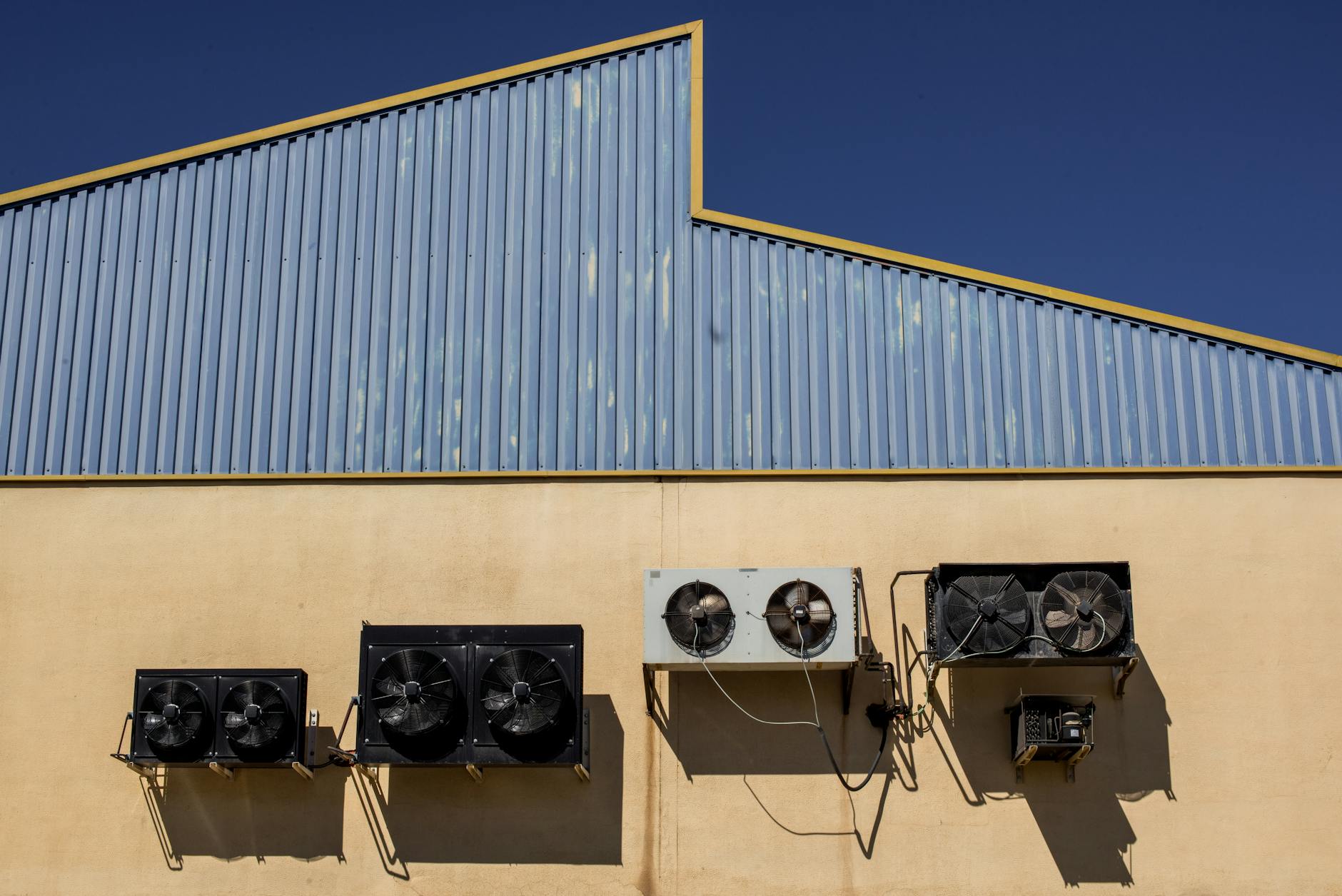
In the context of domestic cooling, the distinction between fans and air conditioning units involves significant differences in power consumption and heat transfer.
According to Xataka Mexico, air conditioning units function through a vapor compression cycle that moves heat from the interior to the exterior of a home.
This process utilizes an evaporator coil to absorb indoor heat and a condenser coil to release it outside, a mechanism that the U.S. Department of Energy notes is similar to how refrigerators operate.
Data from INEGI shows that 48% of households in Mexico's northern, more heat-prone region utilize at least one air conditioning unit.
TCL reports that a typical air conditioning unit consumes between 900 and 1,400 watts during medium use, whereas inverter models can range from 400W to 1,500W depending on power and correct usage.
In contrast, fans operate by converting electrical energy into mechanical energy via a motor.
Xataka Mexico explains that as the motor rotates the blades—which are shaped like airplane wings to push air forward—the device creates a continuous current of air to recirculating the room's atmosphere.
The Architecture of Communication and Thought
Beyond physical cooling, the structures of language and social theory play a role in how individuals interact and perceive society.
In a discussion on professional disagreement, El Financiero suggests that workplace conflicts often stem from the 'architecture' of communication rather than individual personalities.
When language is built with rigid, absolute judgments, conversations tend to fracture and polarize.
"The goal is to convince, not to destroy, and to maintain an openness to being convinced," El Financiero states, suggesting that a flexible linguistic structure can absorb tension.
This concept of underlying patterns is mirrored in the study of structuralism.
In a recent episode of the 'Entre Hilos' podcast, Francisco Castillo and Daniel Chernilo discussed how structuralism posits that social phenomena must be understood through deep, underlying patterns.
As reported by El Mostrador, the core thesis of this school of thought is that individual actions, tastes, and decisions are often determined by structural positions rather than mere individual freedom or preference.
These structural factors act as a limit, prescribing behaviors and defining the boundaries of what is possible within a social framework.