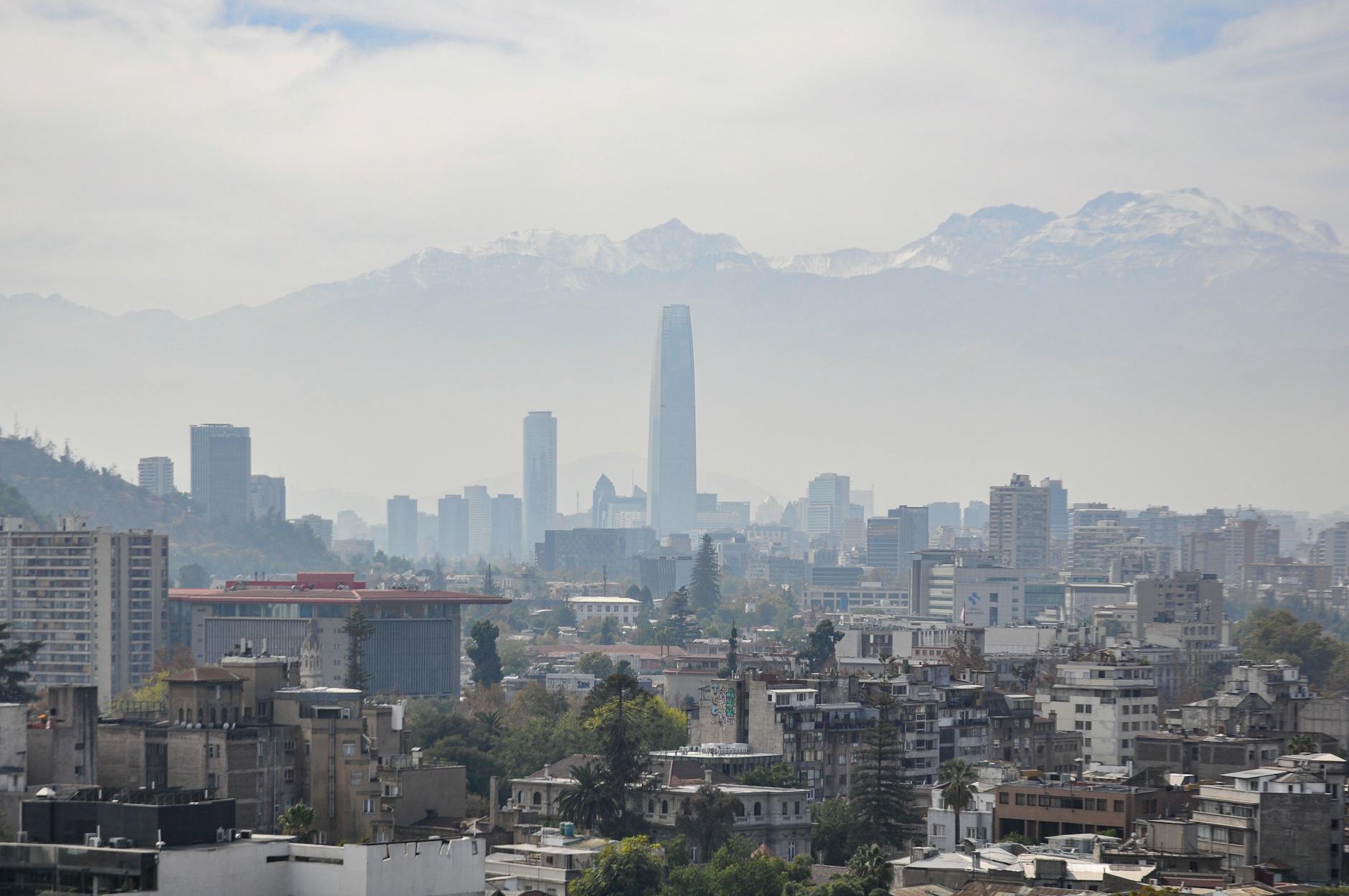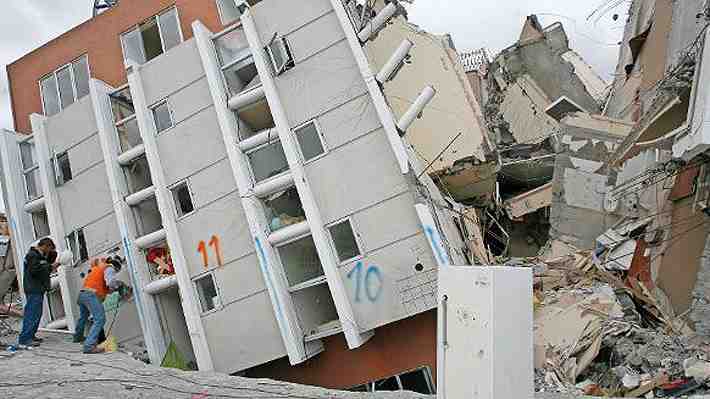
A team of researchers and students from the Pontificia Universidad Católica (UC) has discovered an active seismic cluster moving beneath southern Santiago. The study identified a total of 1,389 low-magnitude earthquakes recently recorded in this area of the capital.
The phenomenon consists of a cluster of seismic events exhibiting constant activity. According to the scientific team's findings, this group of tremors has shown no signs of subsiding to date.
Persistent activity
Data analysis allowed researchers to pinpoint the epicenter of these movements beneath the southern periphery of the Metropolitan Region. While the recorded earthquakes are low in magnitude, their frequency and grouping characterize a unique pattern of seismic activity.
UC scientists detailed that the detection of these events is the result of constant monitoring of tectonic activity in the area. The study highlights that the cluster maintains its momentum with no signs of activity ceasing.
The research is based on seismological records that allow for the mapping of the location and intensity of each of the 1,389 events. The academic team continues to analyze the evolution of this seismic group to better understand its long-term behavior.