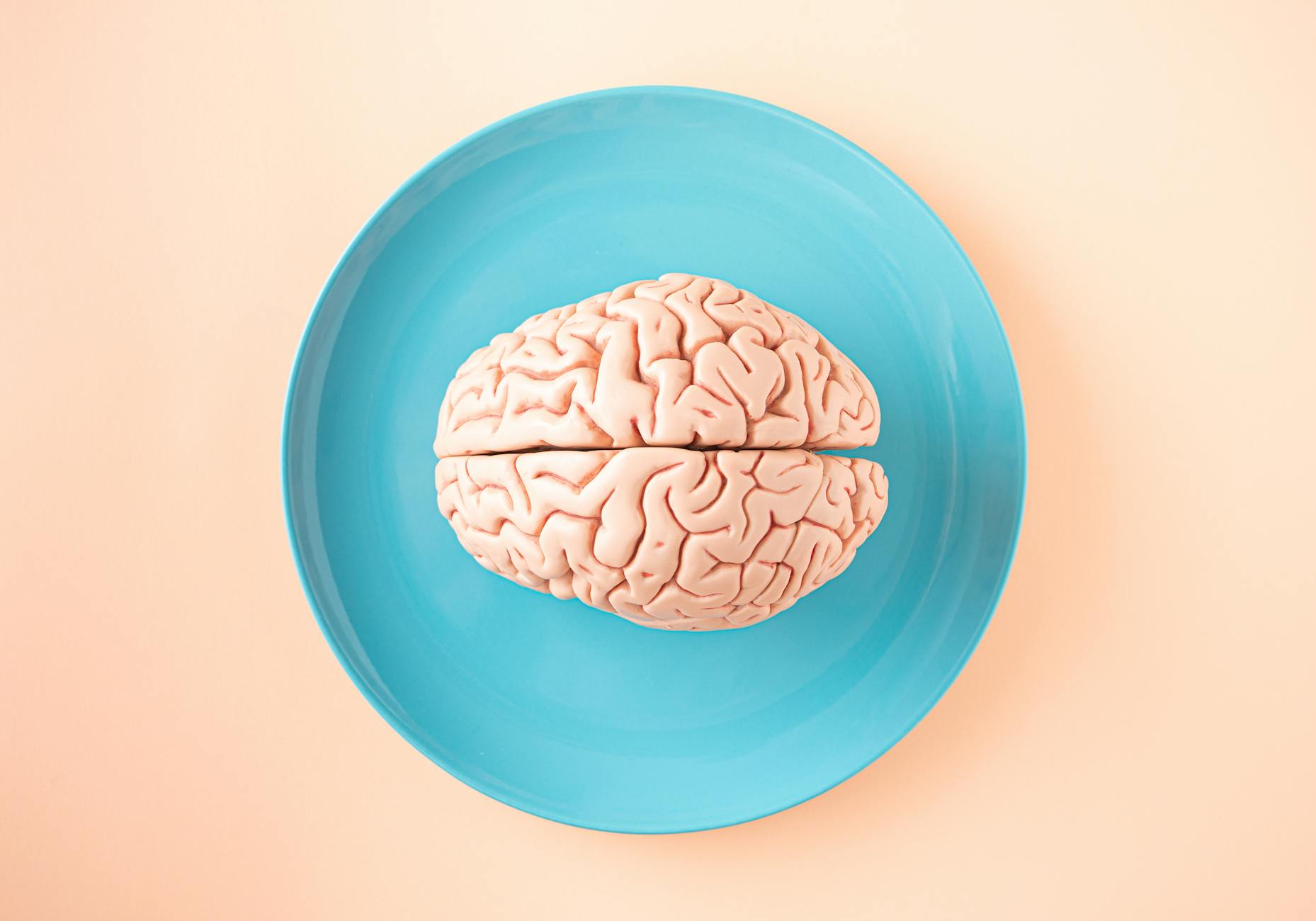
Scientists at the University of California, San Francisco (UCSF) have identified a protein that acts as a primary driver of brain aging. The study, published in the journal Nature Aging, suggests that targeting this protein, known as FTL1, could potentially reverse cognitive decline.
Researchers tracked gene and protein shifts in the hippocampus—the brain region critical for memory—within aging mice. They found that FTL1 levels consistently increased as the mice aged, correlating with a reduction in neural connections and poorer performance on memory tests.
Reversing Cognitive Decline
When the research team artificially boosted FTL1 levels in young mice, the animals displayed signs of premature aging. Their nerve cells developed simplified structures, losing the complex, branching networks essential for healthy brain function.
Conversely, reducing FTL1 in older mice produced a significant recovery. The subjects showed an increase in synaptic connections and improved performance on cognitive tasks. "It is truly a reversal of impairments," said Saul Villeda, the study’s senior author and associate director of the UCSF Bakar Aging Research Institute. "It's much more than merely delaying or preventing symptoms."
The study also revealed that FTL1 interferes with cellular metabolism in the hippocampus. When the researchers treated older cells with a compound designed to boost metabolic function, they successfully prevented the negative effects typically induced by the protein.
Villeda believes these findings open new pathways for clinical treatments. By targeting FTL1, researchers may develop therapies to mitigate the cognitive consequences of aging in humans. "We're seeing more opportunities to alleviate the worst consequences of old age," Villeda said. "It's a hopeful time to be working on the biology of aging."
The research was supported by a coalition of organizations, including the National Institutes of Health, the Simons Foundation, and the National Science Foundation, among others. The findings mark a shift in how scientists approach the biological mechanisms of cognitive decline, moving from symptom management toward the direct manipulation of aging-related proteins.