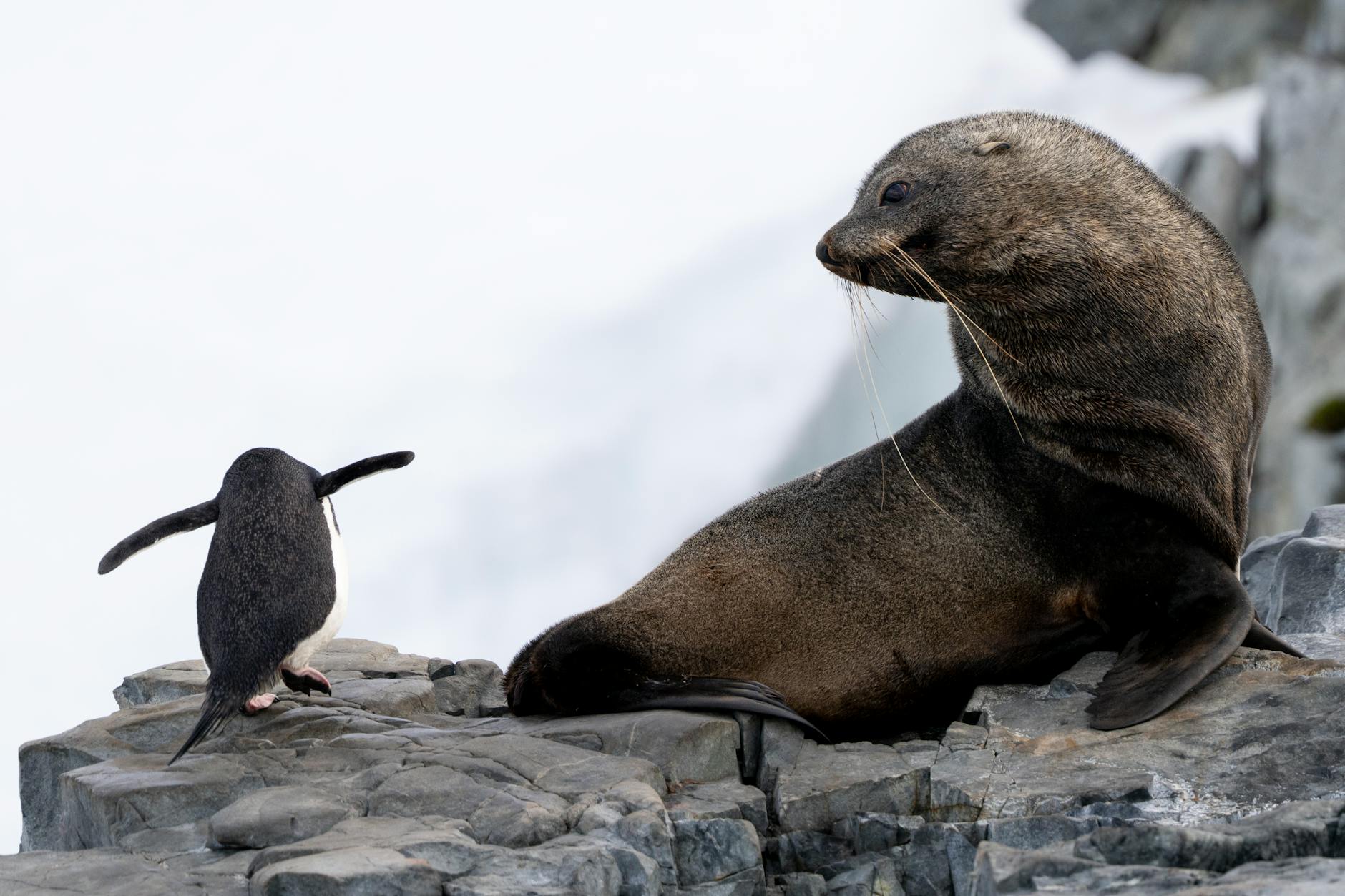
Scientists studying Antarctic wildlife have detected per- and polyfluoroalkyl substances (PFAS) in penguins, revealing that these persistent chemicals have reached even the most remote regions of the planet.
Researchers used the birds as biological indicators to track the presence of these 'forever chemicals' in the ecosystem. The study highlights how these man-made substances migrate far from industrial centers.
Environmental contamination
The study found that the chemicals, known for their inability to break down naturally in the environment, are present in the biological samples of the penguins. This discovery suggests that atmospheric and oceanic currents are transporting pollutants to the Antarctic.
PFAS are widely used in various consumer products, including non-stick cookware, water-repellent clothing, and food packaging. Because they do not degrade, they accumulate in the bodies of animals over time.
The presence of these substances in a seemingly pristine environment indicates a globalized cycle of pollution. Scientists are now analyzing how these concentrations might affect the broader food web in the Southern Ocean.