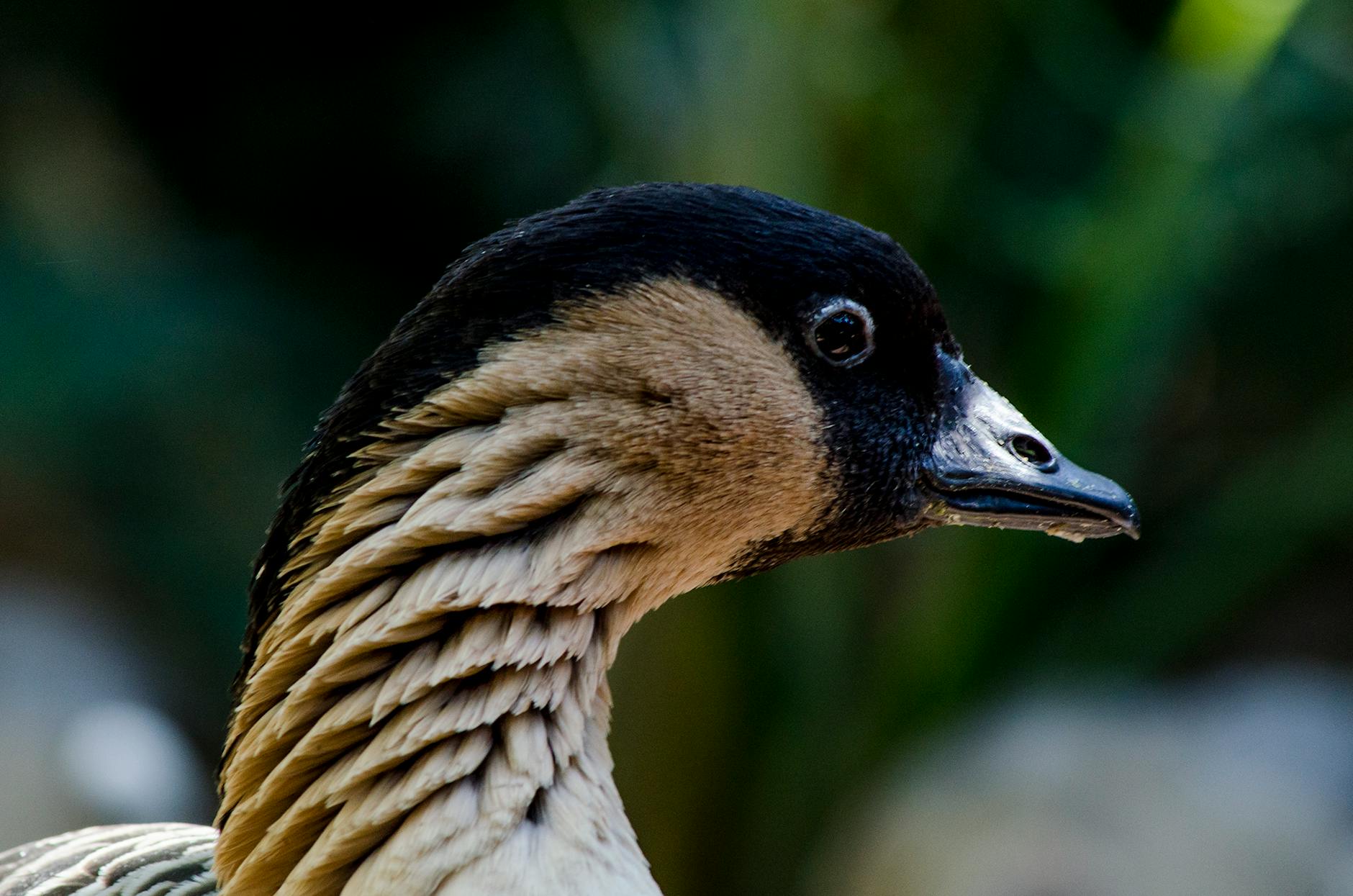
Researchers at the University of Hawaiʻi at Mānoa have debunked a 50-year-old narrative claiming that Indigenous Hawaiians hunted native waterbirds to extinction.
A new study published in the journal Ecosphere indicates that there is no scientific evidence supporting the long-held belief that overhunting by early Polynesians drove these species to the brink.
Instead, the research team identified a complex mix of climate change, invasive species, and shifts in land use as the primary drivers of bird declines. Many of these ecological shifts occurred either before Polynesian arrival or after traditional Indigenous land management systems were disrupted.
"So much of science is biased by the notion that humans are inevitable agents of ecocide," said Kawika Winter, associate professor at UH Mānoa Hawaiʻi Institute of Marine Biology and co-author of the paper.
Winter noted that the myth of Hawaiians hunting birds to extinction has been taught as scientific fact for decades despite a lack of evidence. He added that the study contributes to evidence that Indigenous stewardship can help native birds thrive.
Restoring traditional management
The study suggests that several endangered waterbird species may have reached their peak populations just before European contact. During this era, Kānaka ʻŌiwi (Native Hawaiian) society utilized intensive wetland management.
Lead author Kristen Harmon, who recently earned her PhD from UH Mānoa, said the study challenges long-standing scientific worldviews. She noted that integrating different knowledge systems provides a more accurate picture of ecological history.
Conservationists believe these findings could reshape recovery strategies for species like the ʻalae ʻula and ʻaeʻo. Melissa Price, an associate professor at the College of Tropical Agriculture and Human Resilience, said restoring loʻi, or wetland agro-ecosystems, is critical to increasing bird populations.
"If we wish to transform our islands from the 'Extinction Capital of the World' into the 'Recovery Capital of the World,' we need to restore relationships between nature and communities," Price said.
Ulalia Woodside Lee, Executive Director for The Nature Conservancy in Hawaiʻi and Palmyra, said the study could help repair the breakdown in trust between Native Hawaiian communities and conservationists. Lee stated the research helps move past untruths that have historically excluded Native Hawaiians from conservation decisions.