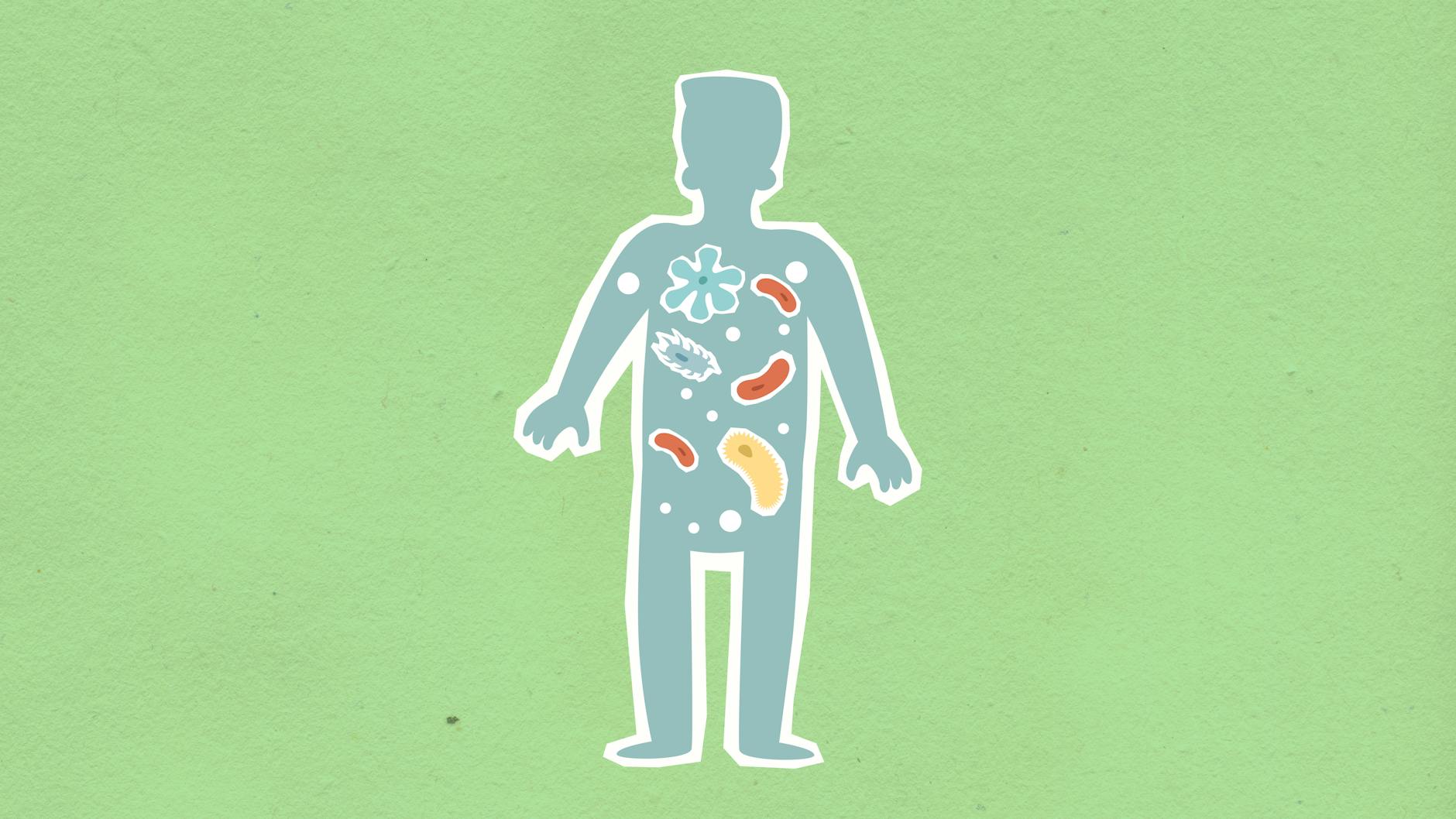
Researchers have identified a biological link between the neonatal microbiome and epigenetic modifications that may influence neurodevelopmental trajectories, including autism spectrum disorder (ASD) and attention-deficit/hyperactivity disorder (ADHD).
The study focuses on how the microbial environment at birth triggers epigenetic shifts. These changes alter gene expression without modifying the underlying DNA sequence, potentially affecting brain development.
Microbiome-driven gene regulation
Data indicates that the specific composition of bacteria present during the earliest stages of life plays a critical role in signaling the host's immune and neurological systems. These microbial signals drive the methylation patterns necessary for healthy neural maturation.
Disruptions in this early microbial colonization can lead to aberrant epigenetic programming. Such dysregulation is linked to the biological pathways associated with neurodevelopmental disorders.
While the research highlights a connection between the microbiome and neurodevelopment, scientists are still investigating the specific mechanisms of action. The findings suggest that the gut-brain axis begins its influence well before infancy concludes.
Future studies will aim to determine if targeted microbiome interventions during the neonatal period can mitigate these epigenetic risks.