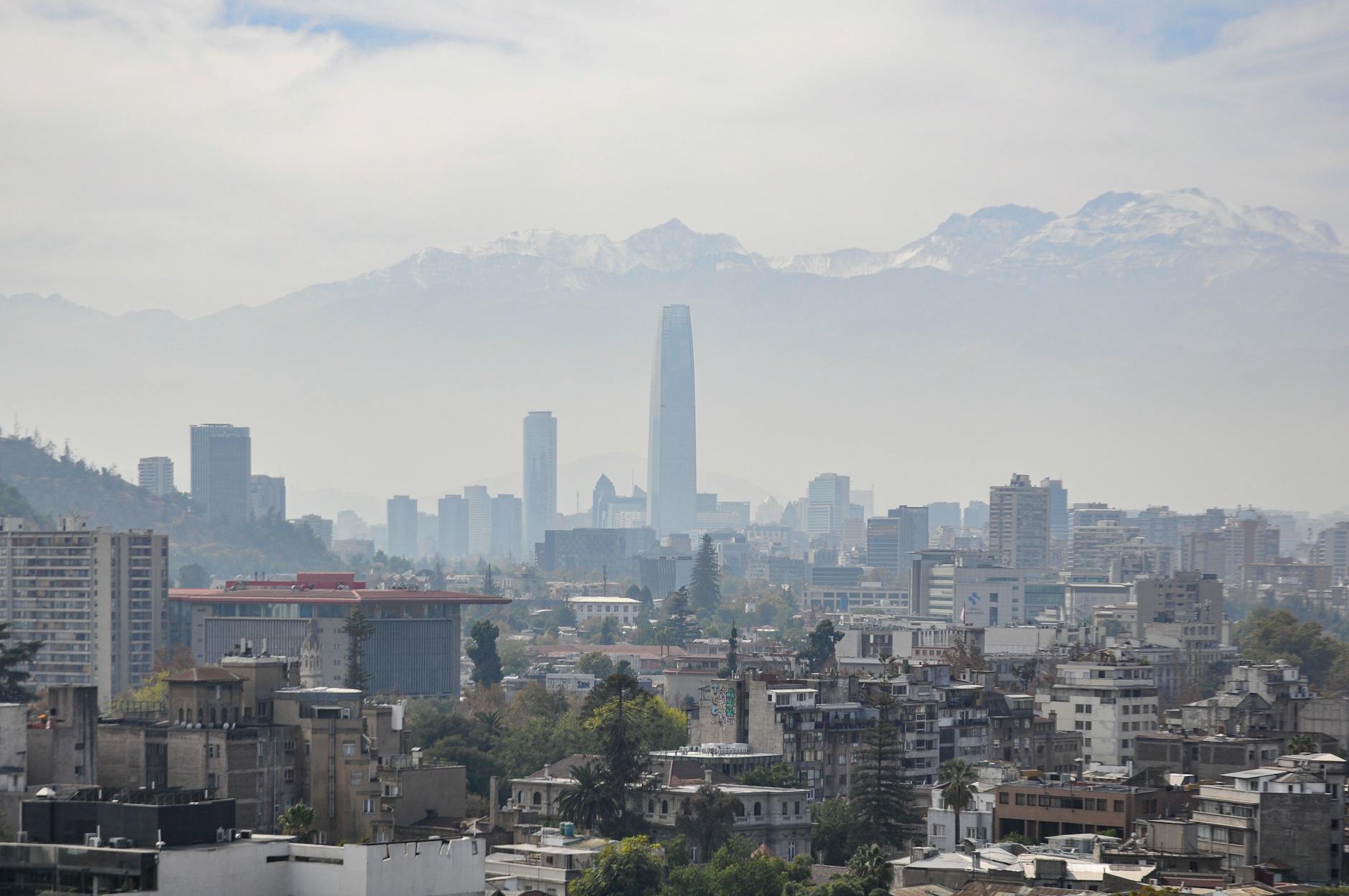
A scientific study by the Catholic University has identified a zone of constant seismic activity in the southern part of the Metropolitan Region, specifically between the communes of Pirque and Puente Alto. The findings reveal unusual geological behavior, characterized by a lack of dormant periods between tremors.
The research, published in the journalSeismological Research Letters, recorded 1,389 earthquakes between 2017 and 2025. While most of these events are low in magnitude, their frequency is atypical for the area.
Geological causes of the phenomenon
Leoncio Cabrera, a seismologist from the Catholic University's School of Engineering, explained that seismic activity in this sector does not subside over time. Unlike other parts of the country, these events occur with high recurrence.
The analysis suggests that the phenomenon is driven by a type of rock that is highly sensitive to changes in stress. This characteristic allows even minor variations in the Earth's crust to trigger constant tremors.
In addition to the rock composition, there may be the presence of fluids deep underground. These movements originate at depths of between 20 and 30 kilometers.
The complex depth of these earthquakes makes monitoring and detailed study difficult. According to statements by Cabrera reported by the newspaper LUN, this sector constitutes a unique site for seismological study.