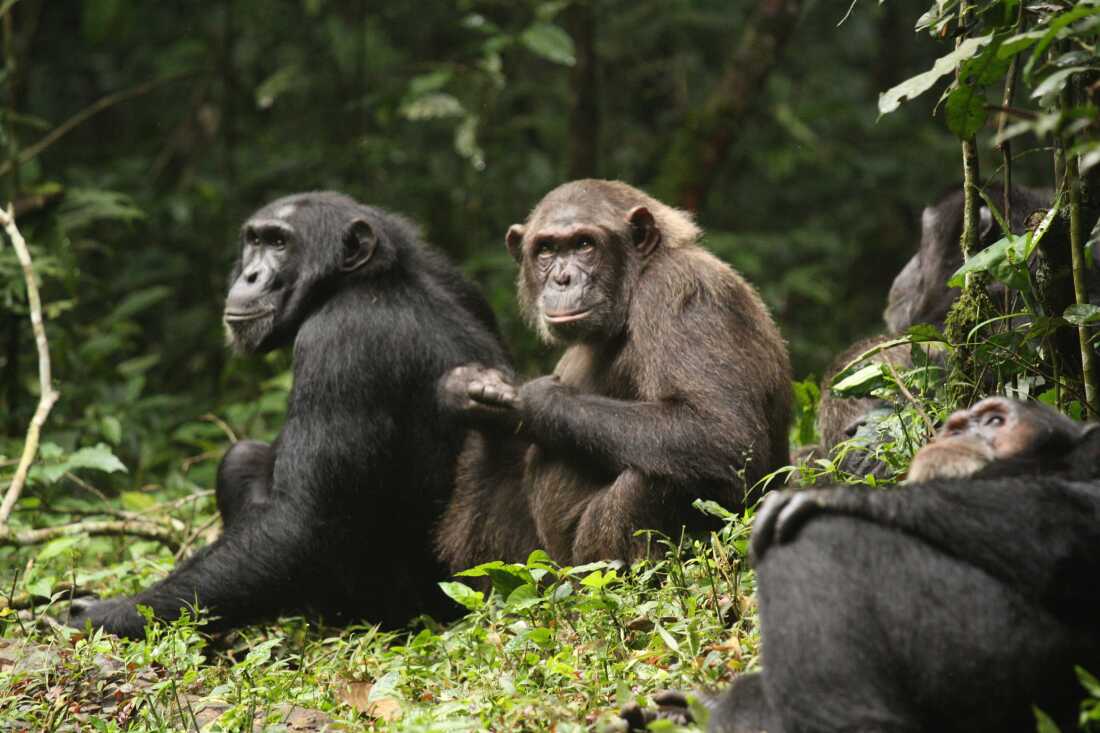
A massive community of chimpanzees in Uganda's Kibale National Park has undergone a violent, permanent split, providing new evidence that the roots of warfare may be biological rather than cultural.
Researchers tracking the Ngogo community—the largest chimpanzee group ever studied, peaking at 200 individuals—documented a transition from peaceful coexistence to a lethal conflict between two factions known as the Central and Western groups.
The schism, which occurs on average once every 500 years, saw Western males kill seven adult males and 17 infants from the Central group between 2018 and 2024.
Social bonds drive the conflict
Unlike human wars, which often involve religion, ethnicity, or ideology, this primate conflict was driven by social ties and resource competition. Scientists found that the groups did not split based on kinship, but rather on long-standing friendships and loyalties.
John Mitani, a primatologist at the University of Michigan and co-author of the study published inScience, suggests the group fell victim to its own success. As the population grew, maintaining unity became impossible.
"The chimpanzees of Ngogo were victims of their own success," Mitani said, noting that the death of five adult males in 2014 likely removed key social connectors within the community.
While food scarcity often triggers primate splits, lead author Aaron Sandel noted that plenty of food remained in the Ngogo area during the conflict. Instead, reproductive competition played a decisive role.
Mitani stated that Central males lost access to females from the Western group before the violence erupted, prompting them to attempt to reclaim access through force.
Despite being more numerous, the Central males failed to organize a collective defense, leaving them vulnerable to the Western faction's attacks.
This pattern challenges the long-held belief that human civil wars require cultural markers like language or politics to trigger violence. Primatologist Richard Wrangham noted that because these chimpanzees lacked such markers, the conflict suggests the motivations for war are much deeper-seated in biology.
James Brooks of the German Primate Center added that while the study highlights the dangers of group divisions, human destiny is not fixed. He noted that while humans share 98.8 percent of our DNA with chimpanzees, our species remains more inclined toward altruism and cooperation.