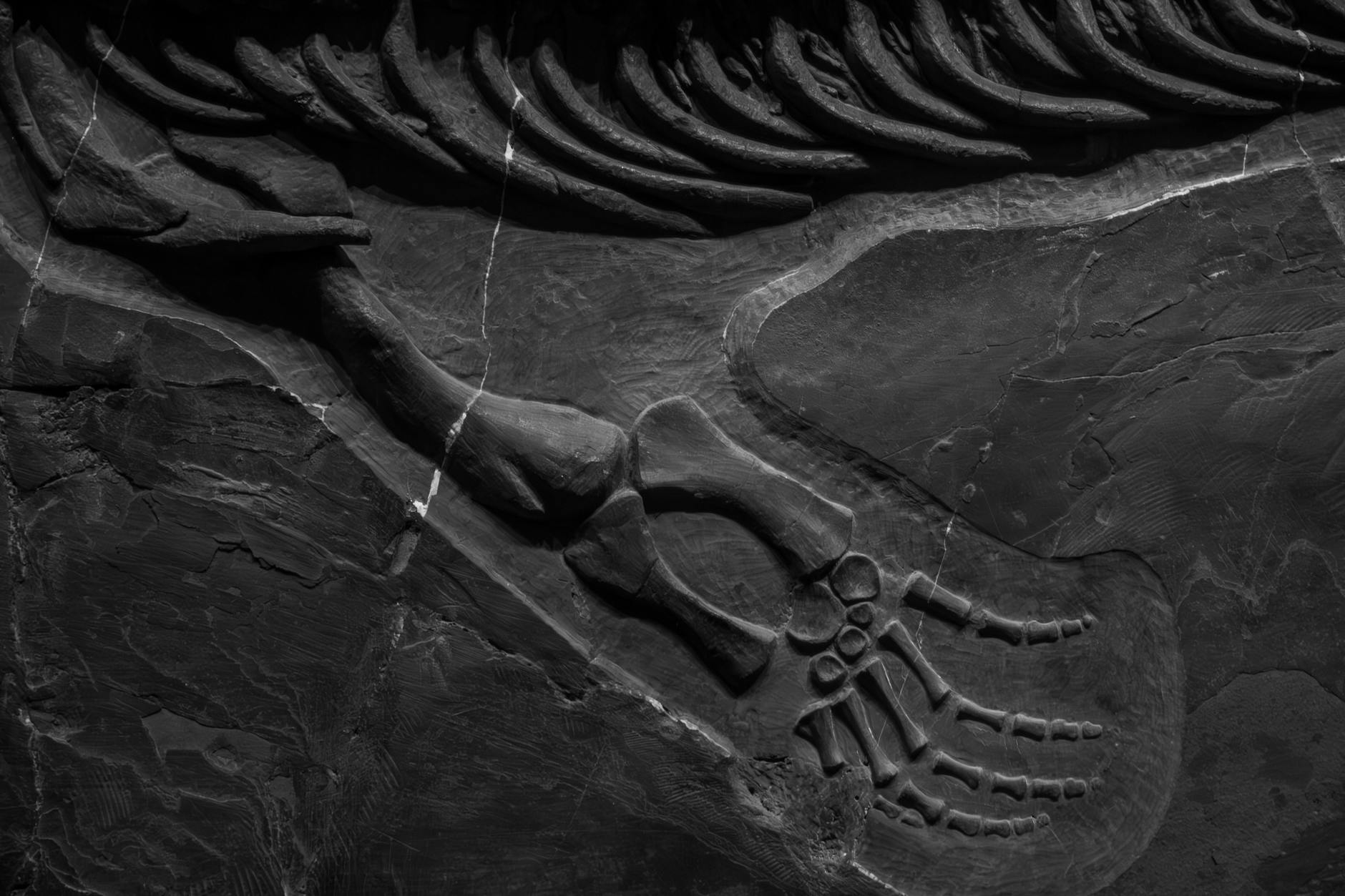
Paleontologists have uncovered a 289-million-year-old fossil that marks a major milestone in the evolutionary history of terrestrial life. The specimen, belonging to an early reptile, preserves the oldest evidence of an air-breathing system ever documented in the fossil record.
Researchers identified the creature as a member of the Captorhinus genus. These small, lizard-like reptiles lived during the Permian period, long before the rise of dinosaurs. By analyzing the fossilized skeletal structure, the team determined that these animals possessed anatomical features specifically adapted for breathing atmospheric oxygen rather than relying on water-based respiration.
A window into early terrestrial life
This discovery sheds new light on how vertebrates successfully transitioned from aquatic environments to colonizing land. The skeletal remains reveal that the anatomy of the thorax and the positioning of the respiratory apparatus reflect a sophisticated adaptation to terrestrial life. This suggests that early reptiles developed these survival mechanisms much earlier than previously assumed.
The findings provide a critical missing link in evolutionary biology. Previous studies often struggled to pinpoint the exact timeline of when air-breathing became the primary method for vertebrate survival. This fossil confirms that by 289 million years ago, the mechanism was already well-established within the Captorhinus lineage.
Experts studying the fossilized remains emphasize that the find offers a unique look at the physiological pressures early reptiles faced. As the climate shifted during the Permian, the ability to efficiently breathe air became a decisive advantage for species moving deeper into continental interiors. This specific specimen serves as a biological blueprint for how these creatures managed the transition between environments.
While the fossil record for this era is often fragmented, the preservation of this particular skeleton allows for a detailed reconstruction of the animal's internal structure. Scientists plan to conduct further scans to map the respiratory pathways in even greater detail. This ongoing research aims to confirm how these early air-breathing systems laid the foundation for the diverse vertebrate life that followed.