An international team of scientists has confirmed that the ancestors of mammals laid eggs, using a 250-million-year-old fossil discovered in South Africa. The specimen, containing a curled-up embryo of the plant-eating creature Lystrosaurus, resolves a long-standing mystery regarding early mammalian evolution.
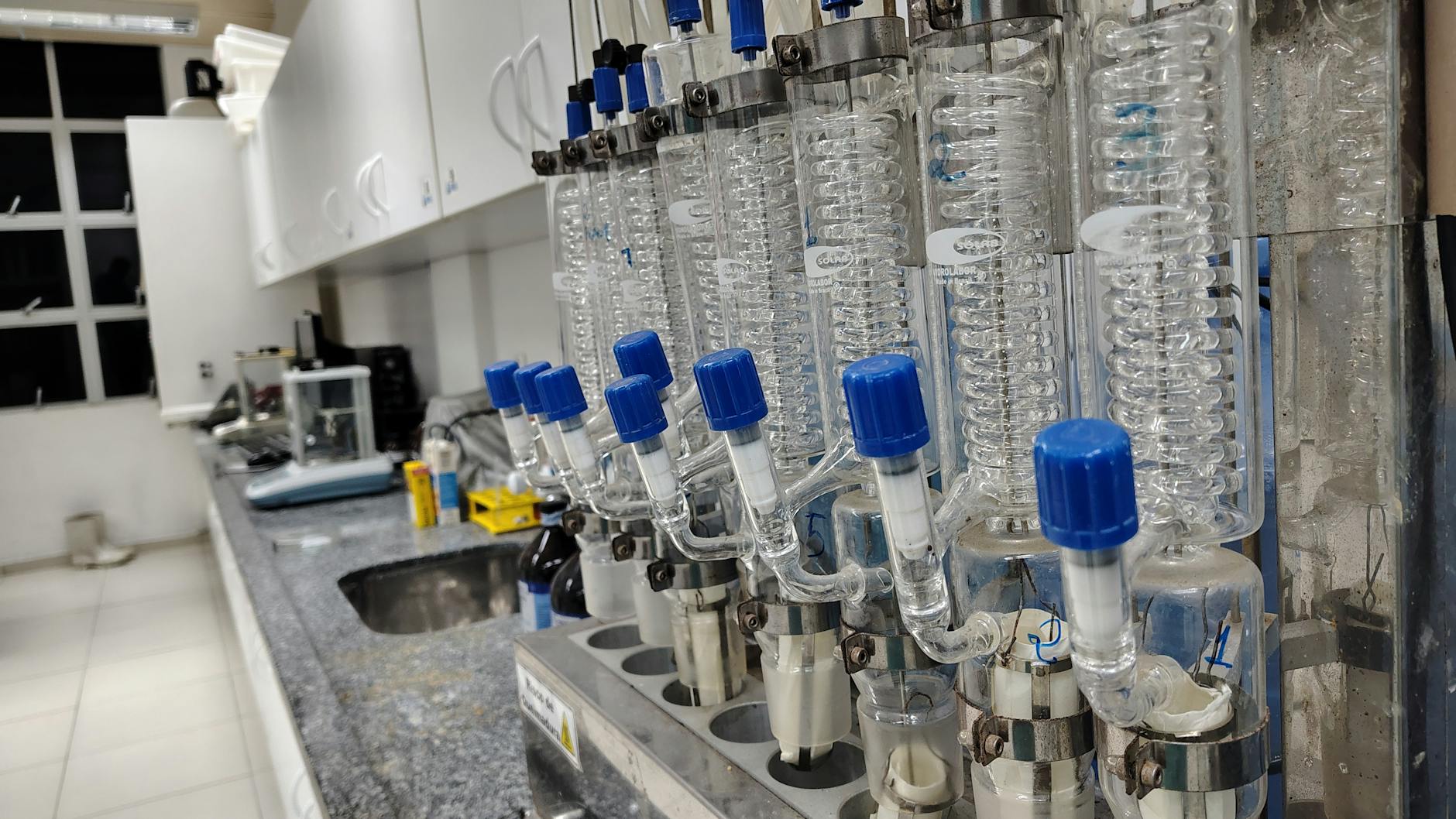
Researchers utilized advanced synchrotron x-ray CT scanning at the European Synchrotron (ESRF) in France to peer inside the fossil. The scans revealed a perfectly preserved hatchling that had died within its shell.
"Understanding reproduction in mammal ancestors has been a long-lasting enigma and this fossil provides a key piece to this puzzle," said Dr. Vincent Fernandez of the ESRF.
A strategy for survival
The discovery also sheds light on how Lystrosaurus survived the End-Permian Mass Extinction, an event that wiped out most life on Earth roughly 252 million years ago. The species thrived in the extreme heat and drought that followed the catastrophe.
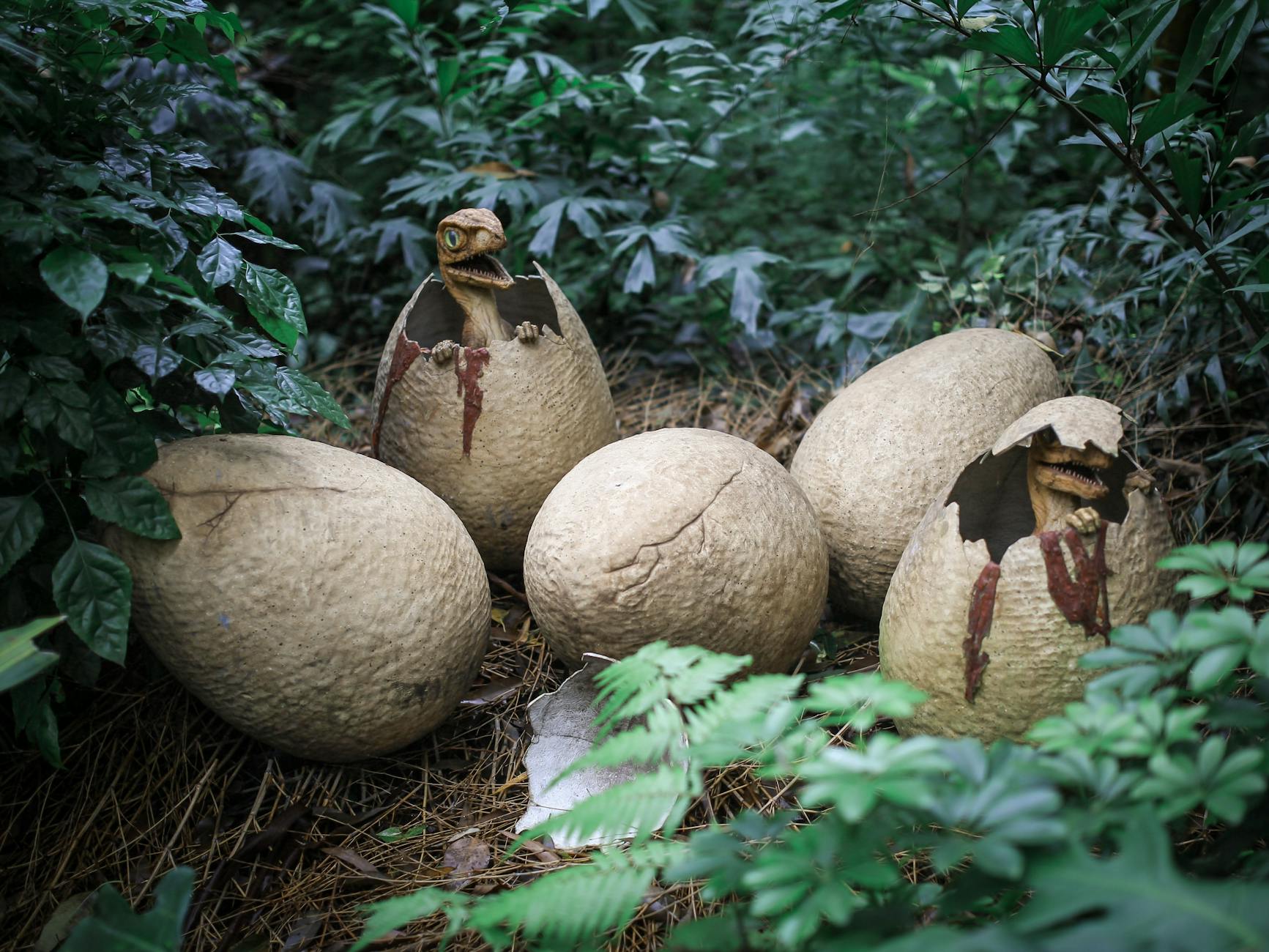
According to the study published in PLOS ONE, the species likely produced large, soft-shelled eggs. Because these shells lacked the hard mineralization found in dinosaur eggs, they rarely fossilize, making this find exceptionally rare.
Professor Jennifer Botha of the University of the Witwatersrand noted that the specimen was first identified by fossil finder John Nyaphuli during a 2008 field excursion. While she suspected the embryo died in the egg, the technology to prove it did not exist at the time.
Analysis of the embryo's jaw suggests the hatchlings were born at an advanced stage of development. Professor Julien Benoit observed that the lower jaw had not yet fused, meaning the newborn could not yet feed itself.
Researchers believe the large size of the eggs provided enough yolk to sustain development without the need for parental milk. This indicates that Lystrosaurus did not nurse its young like modern mammals.
This fast-developing, independent lifestyle allowed Lystrosaurus to populate a shattered world. The large eggs also offered better resistance to drying out in the unstable post-extinction climate.