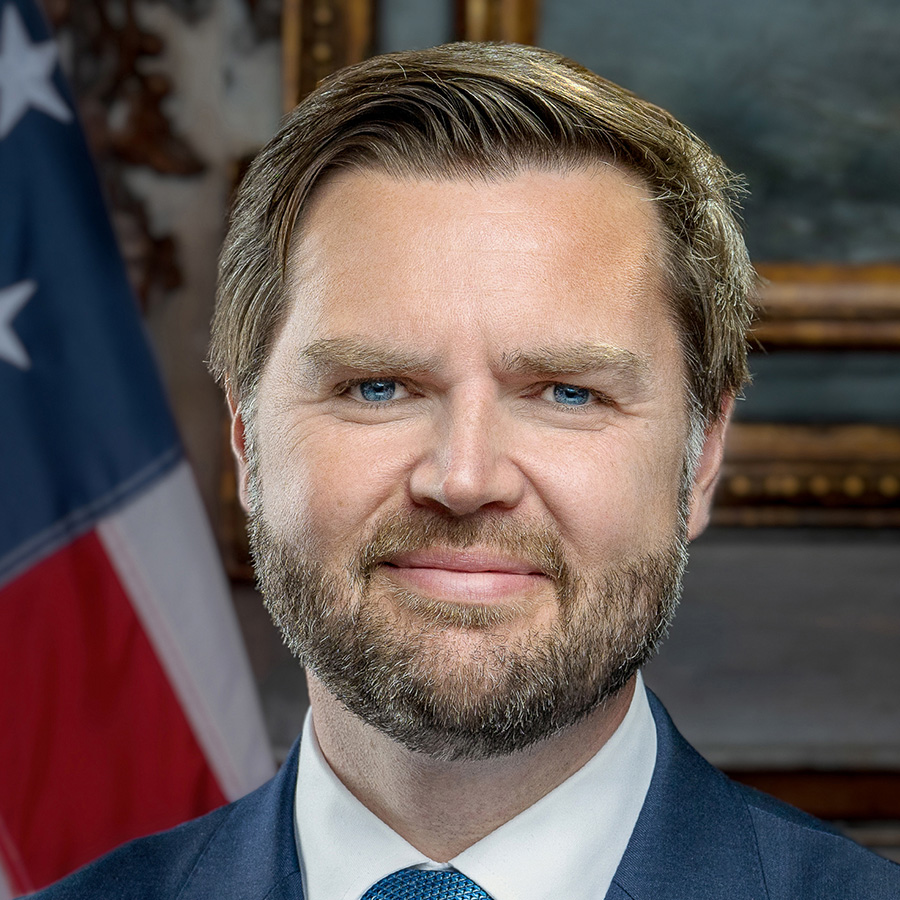
A Strategic Pivot on Energy Costs
In a series of remarks addressing the growing public concern over domestic gas prices, Vice President JD Vance has steered the conversation away from current economic metrics, instead directing his focus toward the previous administration's energy policies. As fuel costs continue to weigh on the American consumer, Vance’s commentary underscores a broader political strategy aimed at framing current economic challenges as the lingering consequences of the Biden-Harris era.
Speaking on the state of the economy, Vance argued that the roots of the current inflationary environment—specifically regarding energy—were planted during the previous four years. By emphasizing this narrative, the Vice President seeks to insulate the current administration from direct responsibility for the price hikes at the pump, suggesting that the path to energy independence requires a reversal of policies enacted prior to the current term.
Addressing Geopolitical Risks
Beyond domestic energy concerns, the Vice President addressed the escalating tensions in the Middle East, specifically regarding the conflict with Iran. Amid fears that regional instability could further disrupt global oil supplies and drive prices even higher, Vance sought to reassure the public regarding the administration's strategic posture.
According to reports from March 19, 2026, Vance explicitly stated that President Donald Trump is committed to ensuring that the current confrontation with Iran does not devolve into a "long-term quagmire." This rhetoric reflects a clear effort by the White House to distinguish its approach from the protracted military engagements of the past, signaling a preference for decisive, limited action over open-ended conflict.
The Political Calculus of Fuel Prices
For the administration, the intersection of energy prices and foreign policy is a critical pressure point. High gas prices have historically been a significant liability for sitting administrations, often serving as a barometer for voter sentiment regarding the economy. By simultaneously criticizing the Biden administration’s legacy and promising a containment strategy for regional conflicts, Vance is attempting to manage public expectations while maintaining a firm grip on the administration’s core policy objectives.
Critics, however, argue that the administration’s focus on past policies does little to alleviate the immediate financial strain on households. As the global market remains volatile, the administration faces the ongoing challenge of balancing its geopolitical goals with the domestic imperative of maintaining affordable energy costs for the electorate. Whether this two-pronged strategy of deflection and reassurance will satisfy voters remains to be seen as the administration navigates the complexities of the current economic cycle.