The Hidden Carbon Footprint of Conflict
In an era where geopolitical instability has once again become a frequent reality, the immediate focus of the international community is rightly placed on the preservation of human life. However, legal expert and analyst Benjamín Salas argues that we must broaden our perspective to include the existential threat posed by war to our planetary climate. This is not merely a political talking point; it is a fundamental issue of survival, as the destruction of ecosystems and biodiversity during wartime compromises the future of humanity.
The Scale of Environmental Destruction
The environmental data emerging from current conflicts is alarming. According to reports analyzing the first 120 days of the war in Gaza, carbon emissions reached approximately 650,000 tons of CO2. A significant portion of this figure—over 300,000 tons—was attributed directly to military aviation, including combat jets and transport flights, alongside the emissions generated by missile strikes and large-scale fires. Given that the conflict has continued well beyond this initial period, the cumulative environmental damage is compounding rapidly.
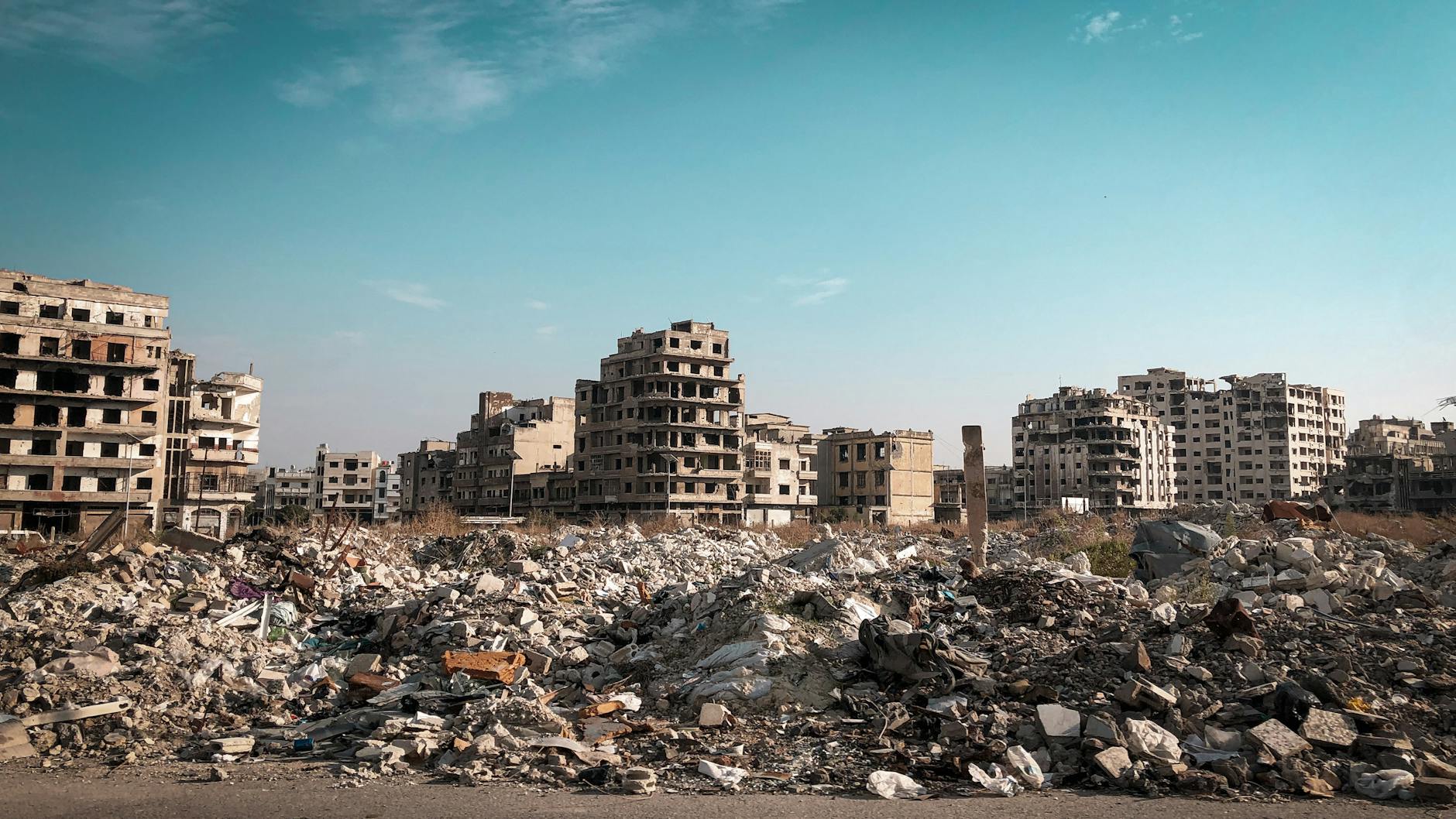
Beyond direct atmospheric emissions, the physical destruction of the land is profound. In Gaza, it is estimated that 60% of agricultural land has been damaged or destroyed, including the loss of nearly half of the region’s orchards and trees. This destruction creates a double-edged sword: it eliminates vital carbon sinks that help the planet regulate temperatures while simultaneously accelerating desertification, leaving the land less capable of recovery.
The Cycle of Emissions: From Preparation to Reconstruction
The environmental impact of military machinery is not limited to active combat. Even during periods of relative peace, the global military industrial complex consumes vast amounts of energy through training exercises, infrastructure maintenance, and the constant testing of weaponry.
Furthermore, the cessation of hostilities does not signal an end to the carbon output. The subsequent phase of reconstruction is notoriously energy-intensive. Rebuilding cities from rubble requires a massive expenditure of resources, with estimates suggesting that the reconstruction of Gaza could result in over 52 million tons of CO2 emissions—a figure comparable to the annual output of several smaller nations combined.
A Call for International Accountability
Addressing this crisis requires a shift in how international law treats environmental damage during wartime. Salas emphasizes that states are already bound by the Additional Protocols to the Geneva Conventions, which prohibit military methods that cause widespread, long-term, and severe damage to the natural environment.
To move toward a more sustainable framework, the international community must insist on two key reforms:
1.Mandatory Reporting:Military-related carbon emissions must be included in national climate inventories. Currently, these figures often remain off the radar, allowing nations to bypass their climate obligations under the guise of national security. 2.Strict Enforcement:International bodies must enforce existing prohibitions against environmentally destructive warfare to ensure that the ecological cost of conflict is no longer ignored.
While it may be idealistic to believe that environmental concerns alone will end human conflict, demanding transparency and accountability is a necessary step. By holding states to their international obligations, the world can begin to address the silent, yet catastrophic, climate toll of modern war.