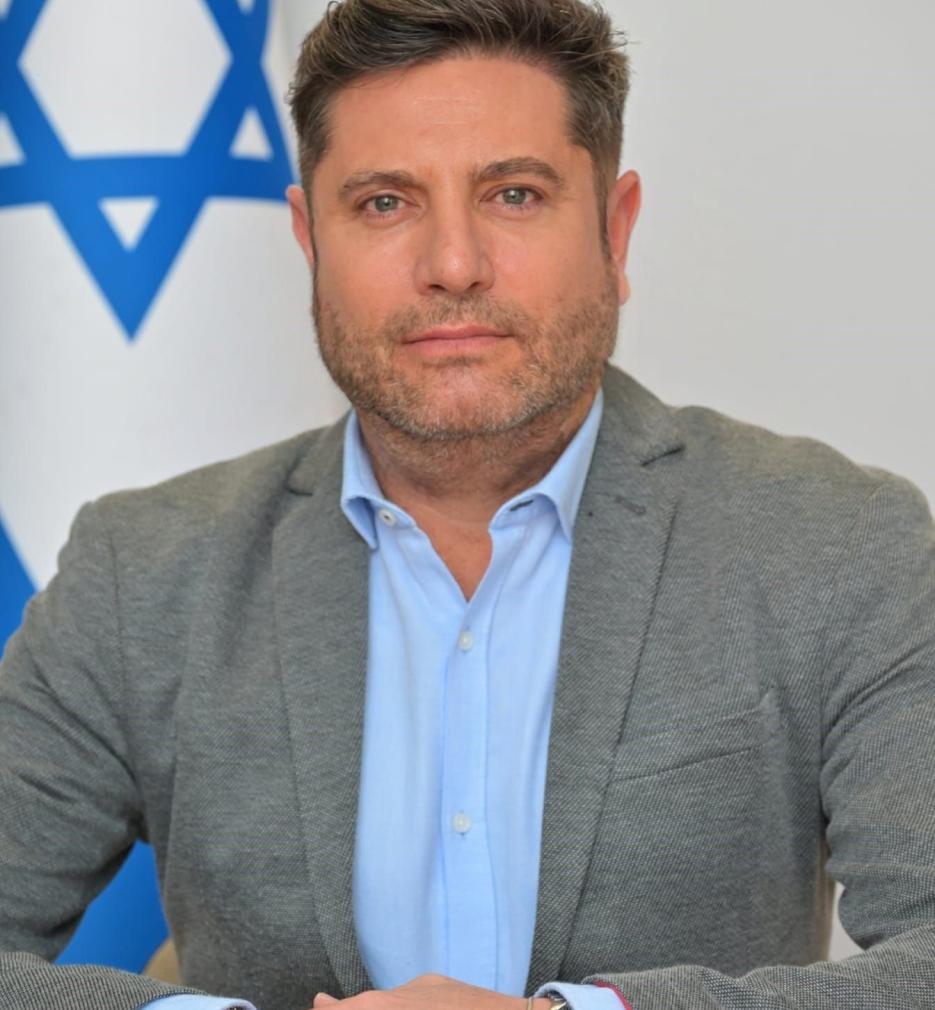
A Call for Diplomatic Realignment
In a recent contribution to the public discourse, Israeli Ambassador to Chile, Peleg Lewi, has formally advocated for the deepening and normalization of diplomatic relations between the two countries. The Ambassador’s statement comes as a response to recent analyses by academic and policy experts, specifically referencing opinions from Jaime Abedrapo of the Universidad San Sebastián and Richard J. Kouyoumdjian of AthenaLab, which explored the current trajectory of Chile’s foreign policy.
Ambassador Lewi argues that the relationship between Santiago and Jerusalem is grounded in both shared principles and practical strategic interests, making a more robust diplomatic engagement not only feasible but highly beneficial for both parties.
Shared Democratic Values
At the heart of the Ambassador’s argument is the assertion that Chile and Israel share a unique set of democratic pillars that distinguish them within their respective regions. Lewi highlighted that both nations are committed to fundamental pillars such as the protection of human rights, religious and social diversity, freedom of the press, and gender equality. By emphasizing these commonalities, the Ambassador suggests that the two nations are natural partners in a complex global landscape.
Strategic Cooperation and Future Interests
Beyond the realm of shared values, the Ambassador pointed to a pragmatic agenda focused on addressing contemporary global challenges. According to Lewi, there exists significant potential for cooperation in areas critical to national development and security.
Key sectors identified for potential collaboration include:
Environmental Sustainability: Addressing water scarcity and climate change.Food Security:Developing agricultural resilience.Technological Advancement: Facilitating the transfer of expertise in smart city infrastructure.Public Safety:Enhancing urban security measures.
Looking Ahead
Ambassador Lewi expressed enthusiasm regarding the prospect of strengthening bilateral ties across all sectors. By framing the relationship as one that is both "plausible and productive," the Ambassador signals a desire to move beyond theoretical debates about foreign policy and toward concrete, multi-faceted cooperation.
As Chile continues to navigate its role in international diplomacy, the call from the Israeli embassy invites a broader conversation on how the nation balances its foreign policy principles with the strategic interests of its people. Whether this advocacy leads to a significant shift in the current diplomatic climate remains a topic for ongoing observation by political analysts in Santiago.