A Shift in Legislative Power
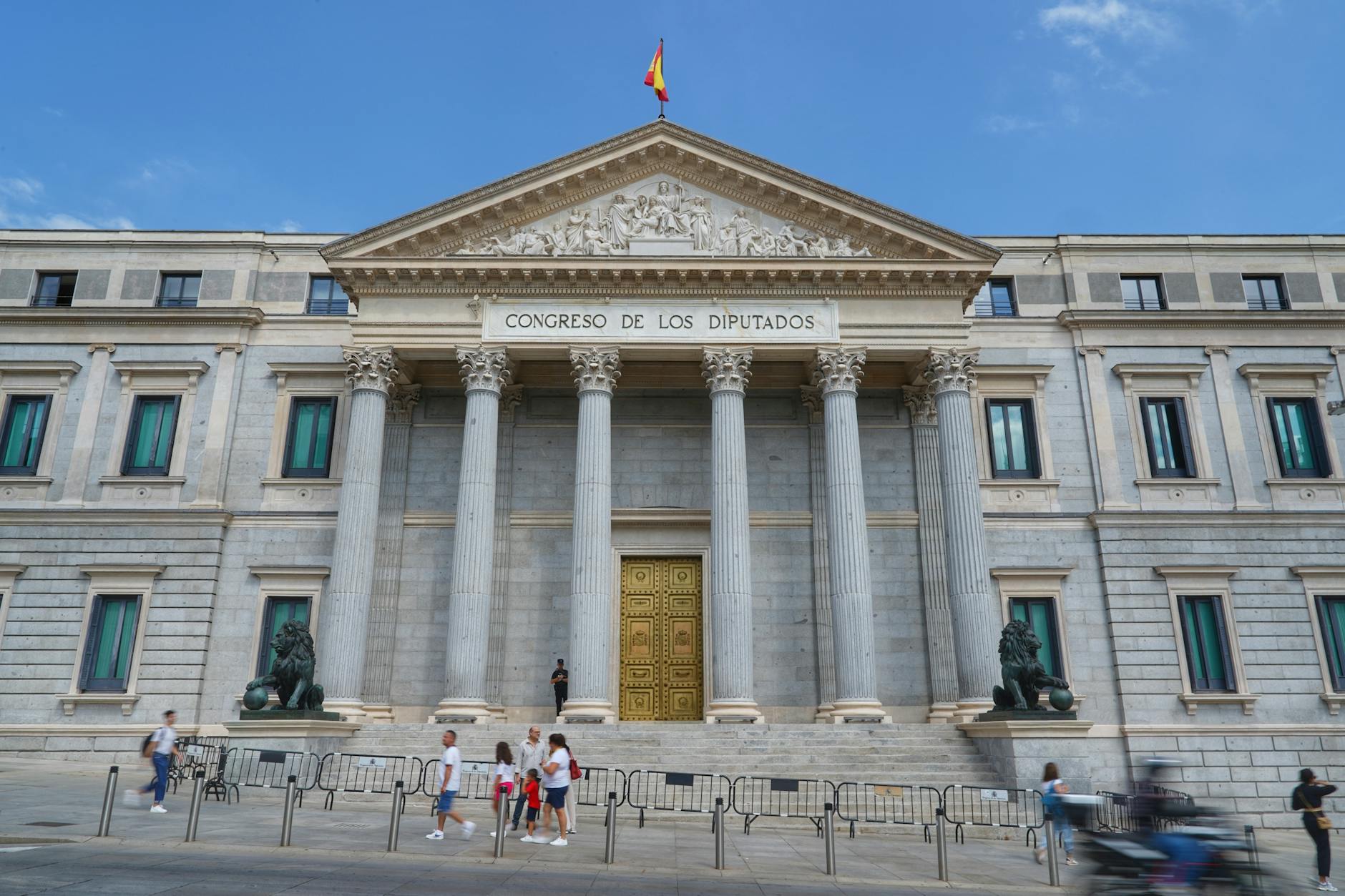
The political landscape within the Chilean Chamber of Deputies has become increasingly contentious as the Socialist Party (PS) expresses deep dissatisfaction with the current composition of legislative committees. Raúl Leiva, the head of the PS bench, recently characterized the administrative agreements reached by various political factions as a strategic mistake that has effectively handed the right-wing opposition an "overwhelming majority" in critical decision-making bodies.
In an interview regarding the state of parliamentary affairs, Leiva argued that the current configuration is not merely a product of electoral math, but a result of flawed internal negotiations. He specifically pointed to the PPD’s involvement in pacts that he believes have marginalized the left, leaving them with limited ability to act as a meaningful counterweight to the right.
Allegations of Vetoes and Discrimination
Leiva highlighted a concerning trend that he describes as unprecedented: the right-wing bloc actively selecting and discriminating against who they will face as counterparts in committee debates. A primary example cited by Leiva is the exclusion of deputy Daniel Manouchehri from the Finance Committee. The PS leader suggests this was a calculated move to sideline a vocal and effective opposition figure.
When questioned about the controversial nature of some of Manouchehri’s actions—such as his recent attempt to involve the Comptroller General regarding the First Lady’s activities—Leiva defended the move as a fundamental exercise of parliamentary oversight. He maintained that high-ranking officials should be subject to rigorous scrutiny, regardless of how minor a potential infraction might appear.
The Need for Unified Opposition
Beyond the specific committee compositions, the interview touched upon the broader strategy of the Chilean left. Leiva emphasized that no single party can effectively hold the government to account in isolation. He noted that while there are ideological differences between the Socialists, the Democratic Socialism bloc, and the Frente Amplio-Communist Party (FA-PC) alliance, the priority must be a coordinated effort to protect social progress.
"No party by itself is capable of exercising effective opposition," Leiva stated, noting that the PS has been actively seeking coordination meetings with all opposition parties to avoid the fragmentation that currently hampers their legislative influence. He expressed concern that recent uncoordinated agreements—such as those involving the Christian Democrats (DC) and the PPD—have weakened the collective bargaining power of the left.
Looking Ahead
As the Chamber of Deputies moves forward, Leiva’s comments signal a period of internal tension within the governing and opposition coalitions. With the balance of power separated by only a few votes, the Socialist Party is signaling a shift toward a more robust, albeit complex, strategy of fiscalization and legislative resistance. For Leiva, the lesson of the recent committee appointments is clear: without a unified front, the left risks losing its ability to shape the national agenda.