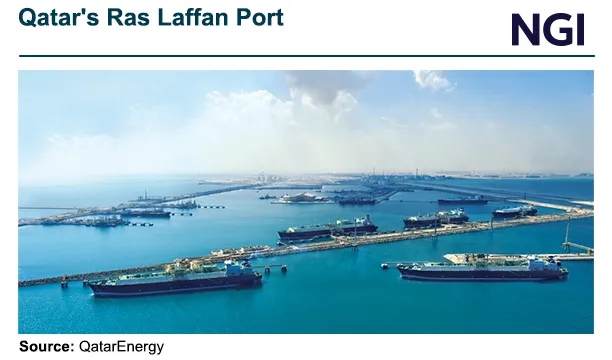
Escalation at Ras Laffan
The State of Qatar has taken decisive diplomatic action, ordering the expulsion of Iranian military and security attaches after a series of missile strikes targeted the Ras Laffan Industrial City. The facility, which stands as the world’s largest liquefied natural gas (LNG) production hub, suffered “significant damage” and multiple fires following the assault, according to Qatar’s Ministry of Foreign Affairs.
While QatarEnergy reported that all personnel have been accounted for and no casualties occurred, the industrial impact is severe. The attacks, which occurred early Thursday, extended beyond Ras Laffan to include other critical energy infrastructure. Qatar has condemned the strikes as a “flagrant violation of its sovereignty” and a dangerous escalation that threatens both national security and regional stability.
A Regional Conflict Spills Over
The strikes on Qatari soil are part of a broader, rapidly deteriorating security situation across the Gulf. Iran had previously issued threats against energy infrastructure in Qatar, Saudi Arabia, and the United Arab Emirates, framing the aggression as retaliation for an Israeli strike on its own South Pars gasfield.
In response to the threats, Saudi Arabia and the UAE reported heavy activity from their own air defense systems. The Saudi Ministry of Defence intercepted multiple ballistic missiles aimed at Riyadh and the eastern region, while the UAE reported neutralizing a barrage of 13 ballistic missiles and 27 drones. Operations at the UAE’s Habshan gas facility were temporarily suspended following the impact of falling debris.
Global Economic Implications
The targeting of Ras Laffan, which accounts for approximately 20 percent of the global LNG supply, has sent shockwaves through international energy markets. While Qatar had already suspended production at the site on March 2 due to earlier security concerns, the latest damage raises fears of a prolonged supply disruption.
Analysts warn that the continued instability could keep energy prices elevated for the foreseeable future. "The smaller countries with weaker economies in the Global South will be hurt the most, as LNG price increases will lead to demand destruction," noted Babak Hafezi, a professor of international business at American University. European nations, which have relied heavily on LNG imports since the disruption of the Nord Stream pipelines, remain particularly vulnerable to these fluctuations.
Diplomatic Efforts Under Pressure
International leaders are scrambling to contain the fallout. French President Emmanuel Macron confirmed he has held emergency discussions with the Emir of Qatar, Sheikh Tamim bin Hamad Al Thani, and U.S. President Donald Trump. Macron has called for an immediate moratorium on strikes targeting civilian infrastructure, specifically energy and water supplies, to prevent a total collapse of regional essential services.
Meanwhile, the diplomatic landscape remains tense as Arab and Muslim-majority nations gather in Riyadh. Originally intended to discuss de-escalation strategies, the summit is now expected to shift its focus entirely toward addressing the immediate threat posed by the Iranian missile campaign and managing the aftermath of the recent attacks.