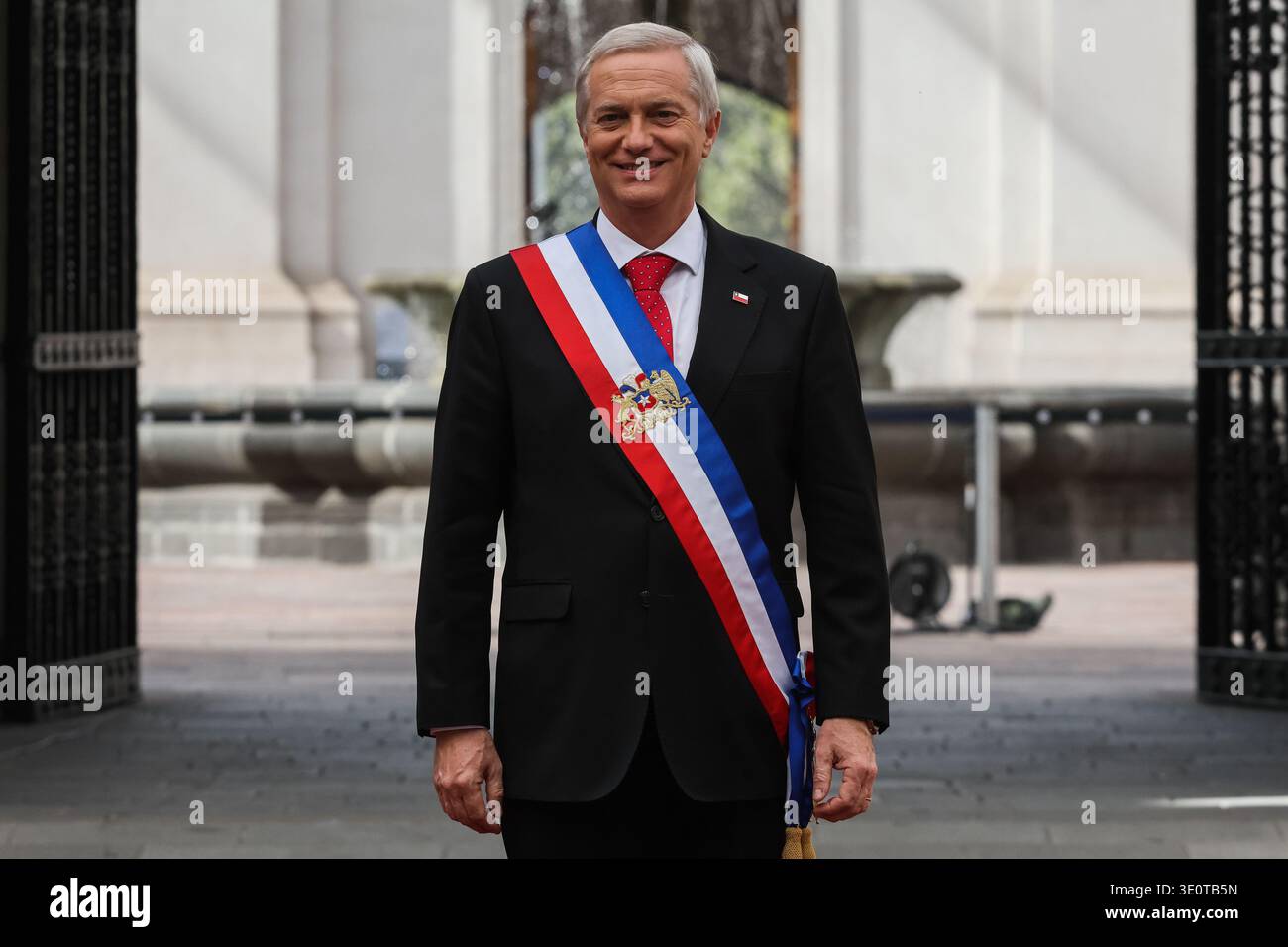
A Call for Structural Change
As President José Antonio Kast settles into his term at La Moneda, advocacy organizations are intensifying pressure on the government to elevate disability inclusion from a campaign talking point to a central pillar of state policy. Nicolás Fehlandt, General Manager of Fundación Coanil, has issued a public appeal for the administration to address the systemic gaps that continue to marginalize millions of citizens.
According to the Third National Disability Study, more than three million people over the age of two in Chile live with some form of disability. For organizations like Coanil, this demographic reality demands immediate and substantive action. During the 2025 presidential campaign, the foundation presented a comprehensive proposal titled “12 Measures for a More Inclusive Chile” to all candidates, including the current president, who reportedly expressed a willingness to integrate these suggestions into his governing agenda.
Reforming the Educational Landscape
Central to the proposed reforms is the need to eliminate discrimination within the special education sector. Currently, funding models for schools serving students with special educational needs (NEE) are tied to attendance rather than enrollment. Critics argue that this creates a precarious financial environment for institutions that provide critical support to vulnerable populations.
Fehlandt advocates for a shift toward enrollment-based funding to provide stability. Furthermore, he highlights the urgent need to include these students in the benefits of the SEP Law (Ley SEP). While the law was designed to support the most vulnerable students in the country, many with special needs have historically been excluded from its scope. Beyond funding, there is a push for a more relevant vocational curriculum that better prepares students with disabilities for the modern labor market.
The Crisis in Residential Care and Employment
Beyond the classroom, the challenges facing the disabled community are profound. In terms of residential care, the current infrastructure is severely limited, with just over 1,000 spots available nationwide for adults with disabilities. There is a broad consensus among social advocates that expanding both the coverage and the state financing of these residential programs is a matter of urgent social necessity.
Furthermore, the long-standing Labor Inclusion Law (21.015) remains a point of contention. Eight years after its implementation, the law continues to underperform, with compliance levels among both private companies and state entities remaining stubbornly below 30%. This failure to meet established quotas underscores what many view as a persistent lack of political will to enforce existing regulations.
A Defining Moment for the Administration
As the Kast administration begins its tenure, the message from the non-profit sector is clear: the time for incremental progress has passed. The inclusion of persons with disabilities is no longer a niche issue but a fundamental human rights challenge that requires a cohesive, state-led strategy. With the administration having previously signaled an openness to these proposals, the coming months will be a critical test of whether these intentions will manifest as concrete legislative and budgetary improvements for the millions of Chileans currently left behind.