A System Under Pressure
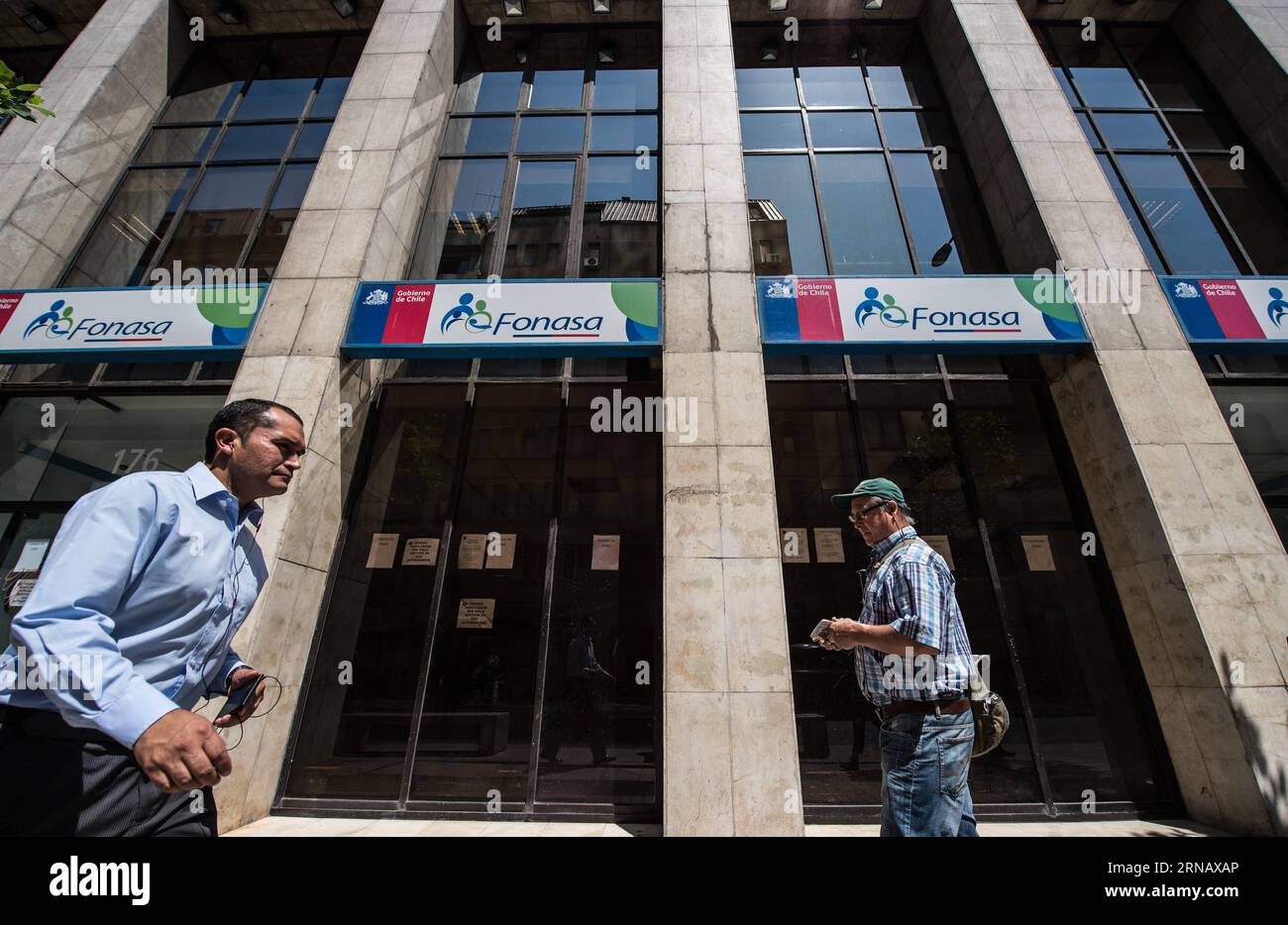
Chile’s public health landscape is facing renewed scrutiny as the Federation Medical of Chile (Federación Médica de Chile) warns that the current adjustment mechanism for the 'Free Choice' model (Modalidad de Libre Elección, or MLE) is unsustainable. The MLE is a critical component of the National Health Fund (Fonasa), allowing public system beneficiaries to access private healthcare providers at government-regulated rates.
However, Andrés Córdova, director of the Federation, argues that the financial viability of this model is eroding. According to recent data, Fonasa tariffs have consistently been adjusted below the Consumer Price Index (CPI), resulting in a cumulative loss of approximately 15% in real value over the last six years.
The Risk to Patient Access
This fiscal misalignment carries significant consequences for the Chilean population. As the public sector continues to grapple with long waiting lists and systemic debt, the MLE has traditionally served as an essential safety valve, allowing patients to seek timely care elsewhere.
Córdova warns that if the current trend continues, private providers may find it increasingly difficult to participate in the program. "Maintaining this logic puts us in a bleak scenario for healthcare," the Federation stated, highlighting that the economic strain disincentivizes providers and threatens the very survival of the Free Choice model, which currently helps thousands of citizens bypass public sector bottlenecks.
Proposing a Path Forward
To address these systemic issues, the Federation is urging the government to move away from arbitrary adjustments and adopt a more technical, transparent approach. They propose the implementation of a new mechanism that more accurately reflects the actual costs of providing medical services in Chile.
Specifically, the group suggests expanding the use of the Health Cost Index (ICSA)—a tool currently utilized by the Superintendency of Health for the private insurance sector—to guide Fonasa’s adjustments. By leveraging this existing indicator, the Federation believes the government could create a more equitable and reliable methodology that reflects the realities of the medical market.
A Call for Collaboration
Beyond technical adjustments, the Federation is calling for a high-level public-private task force to develop these solutions. The proposal emphasizes the need for a collaborative, non-ideological approach to national health policy.
"The health sector in Chile demands a broad perspective, free of ideologisms, that allows for the alignment of efforts between the public and private sectors," Córdova noted. As the country looks to resolve its persistent challenges in medical coverage and wait times, the push for a standardized, cost-reflective tariff system appears to be the next major hurdle in the ongoing debate over the future of Chilean healthcare.