The Government's Communications Secretariat (Secom) orchestrated an intensive media blitz for Minister of Science Ximena Lincolao following the assault she endured in Valdivia last Wednesday. The communications plan transformed the Minister's testimony into the centerpiece of the Government's offensive against violence.
Initially, Lincolao's inner circle sought to pull back from the spotlight. On Thursday morning, the Minister canceled a radio interview scheduled for 7:30 AM following the incident at Austral University. Close aides noted that the official was not in a position to face the press at that time.
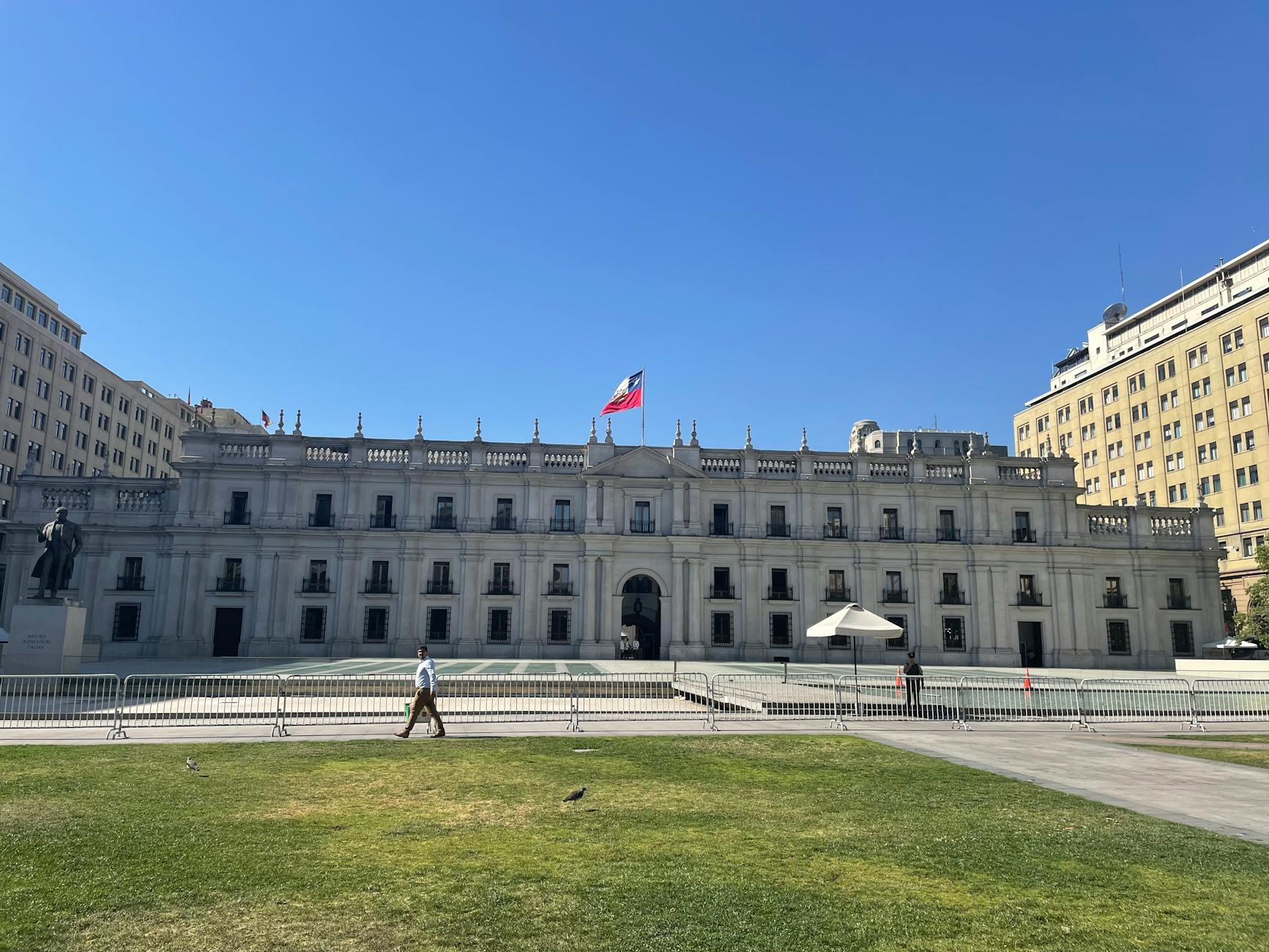
However, the strategy from La Moneda shifted within hours. According to sources close to the administration, Secom recommended making the case highly visible, using the Minister's direct account to send a political signal condemning violence.
Media blitz
Secom's directive aimed to prevent the Minister from being intercepted in uncontrolled settings. "Okay, I'm ready," Lincolao reportedly said after accepting her communications team's recommendations.
In less than 48 hours, the Minister completed 11 interviews across various print, radio, and television outlets. This media push took place while Lincolao was still recovering physically from the blows she received.
President José Antonio Kast backed this stance during Monday's cabinet meeting. The President highlighted the Minister's "strength" and used the incident to warn against the risks of downplaying acts of violence in the country.
The process was not without internal tension. Members of the Secretary of State's inner circle admitted that the rapid shift from seeking privacy to high-profile exposure caused discomfort among those who had called for more recovery time.
Despite the criticism, the strategy succeeded in placing the Ministry of Science at the center of the public agenda. On Monday afternoon, Lincolao resumed her legislative duties in the Chamber's Science Commission to present progress on the neuro-rights law.