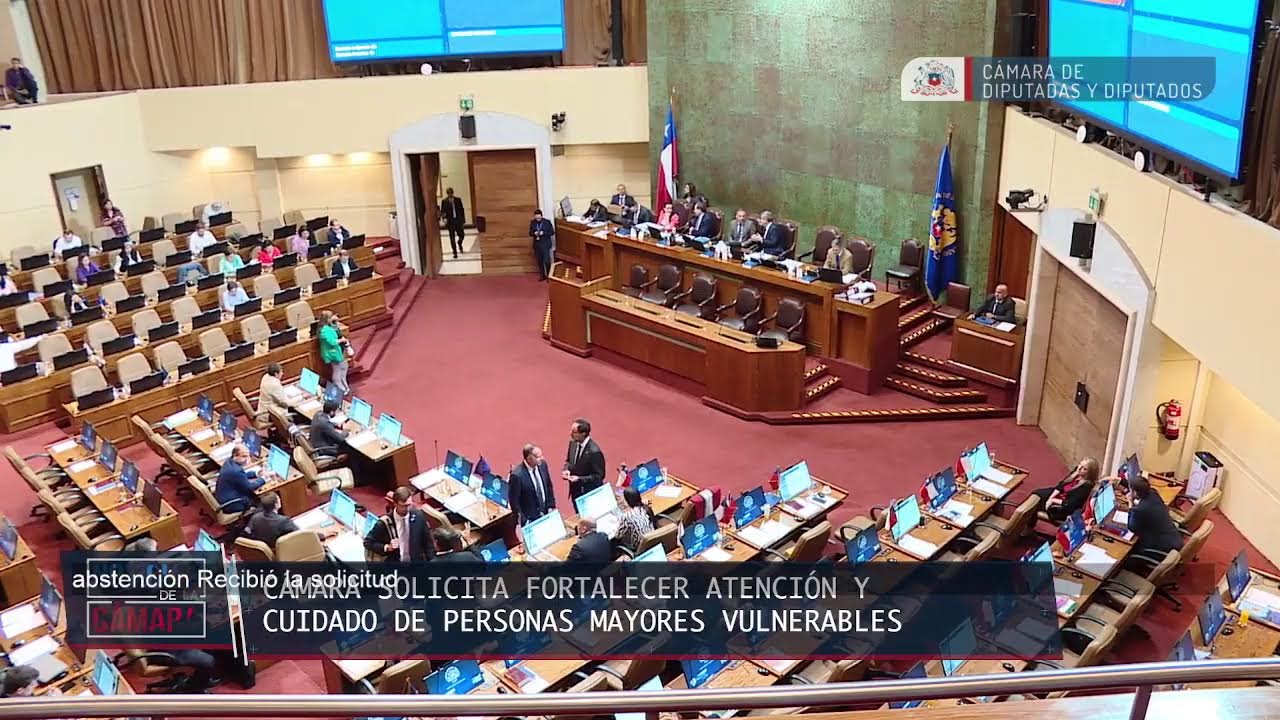
The Chamber of Deputies convenes this Monday to debate a bill that would strip the executive branch of its power to pardon individuals convicted of human rights violations. The proposal, introduced last December, aims to remove these criminal cases from the discretion of any sitting government.
Supporters of the bill, including Deputies Lorena Fries, Daniella Cicardini, and Vlado Mirosevic, argue that human rights crimes are too severe to be impacted by shifting political winds. The legislation faces an uphill climb after the Constitution Commission rejected the idea in a 5-4 vote, with one abstention.
A divide over presidential authority
Deputy Lorena Fries, who championed the bill, stated that human rights abuses cannot be treated as subjective matters. "Human rights violations do not admit relativization," Fries said. "They also do not admit discretionary benefits, so they cannot be subject to a political decision by a government of the day."
Opposition lawmakers have countered with accusations that the bill is driven by partisan ideology rather than legal merit. Deputy Constanza Hube of the UDI party criticized the move, claiming that certain sectors of the left are "living in the past."
"It is not good to design institutions so that they serve certain ideological positions and not the country," Hube said. She added that the left should not force the nation to remain anchored in "the ideological discussion of the past."
Other critics emphasize the principle of equality before the law. Deputy Cristóbal Urruticoechea of the National Libertarian Party argued that criteria for pardons must remain consistent across all types of offenders, whether they are former military personnel or members of militant groups like the Manuel Rodríguez Patriotic Front.
"I believe that pardons have to be the same for everyone," Urruticoechea stated. He contended that all convicted individuals should have access to the same benefits under similar legal standards, regardless of the nature of their crimes.
As the Chamber prepares to vote on whether to proceed with the legislation, the debate highlights the broader tension surrounding the presidential pardon power in Chile. The government has yet to define its stance on potential future uses of this executive authority, leaving the scope of the pardon process as a central point of contention in the legislature.