Russian security forces have intercepted a planned terrorist attack targeting high-ranking officials of the country's media regulator, according to a statement from the Federal Security Service (FSB). This development follows a period of heightened tension in Russia, including a recent drone strike on an oil refinery in Tuapse that has triggered local environmental fears.
On Friday, the FSB announced it had prevented an attack against leadership within the Federal Service for Supervision of Communications, Information Technology and Mass Media, known as Roskomnadzor. The security agency claimed that seven individuals were detained in connection with the plot.
According to reports from La Tercera, the FSB alleges these individuals were "recruited by Ukrainian special services through Telegram." The Russian agency further stated that the group adhered to "ultra-rightist and neo-fascist ideology."
During the operation, security forces reportedly neutralized a group leader following an armed confrontation. The FSB stated that the raid resulted in the seizure of one kilogram of explosives, a grenade, a pistol, a silencer, two air pistols, radios, and various items of "neo-Nazi paraphernalia."
Escalating attacks and environmental risks
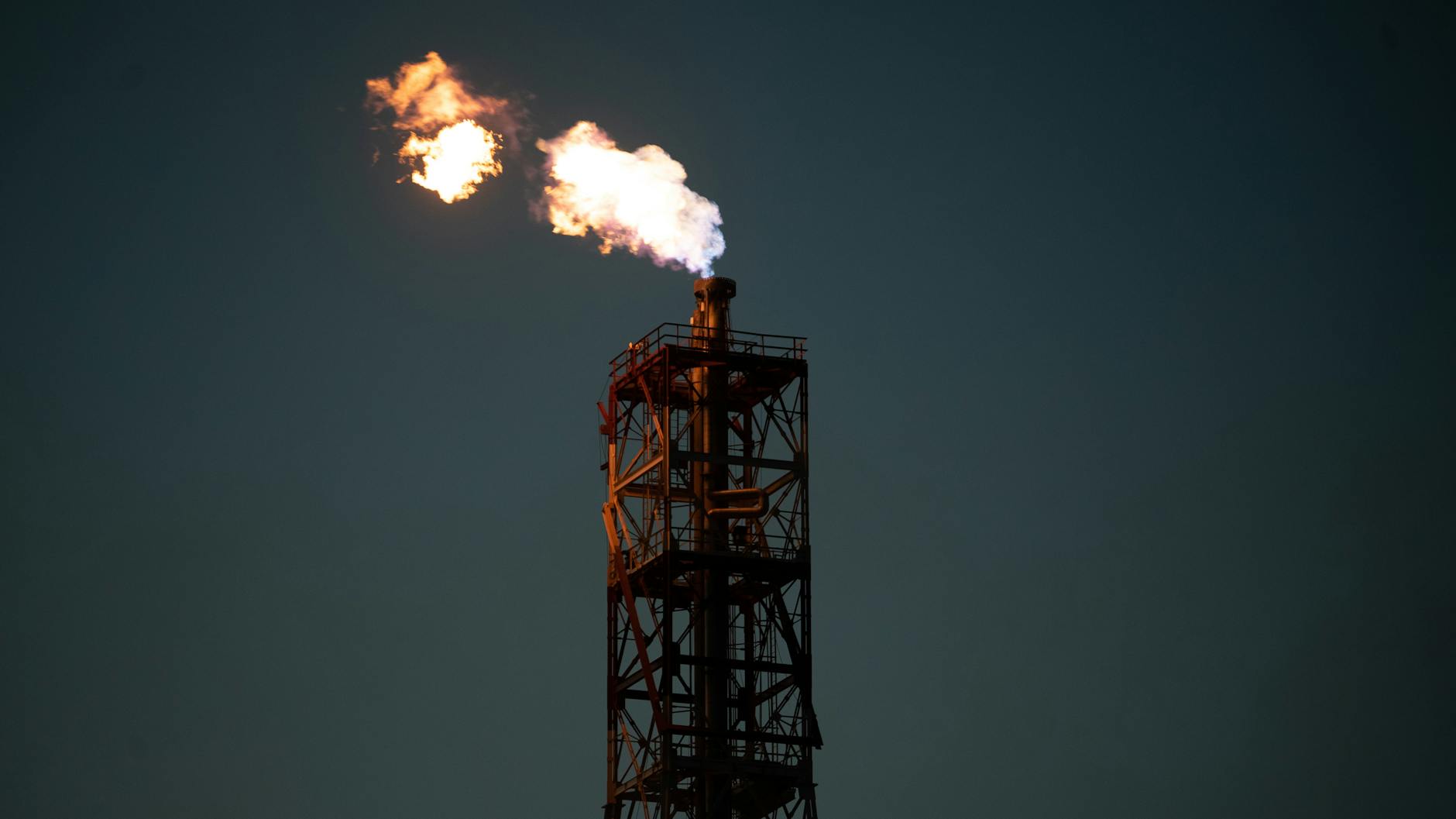
The security crackdown comes as Russia continues to deal with the physical and environmental fallout of the ongoing conflict. In the southern city of Tuapse, residents are facing a growing environmental crisis following a drone attack on a local oil refinery.
Al Jazeera reported that a massive fire has been burning at the refinery for several days. The strike, attributed to a Ukrainian drone, has left the local population deeply concerned about the toxic effects of the prolonged blaze.
Beyond physical infrastructure, the FSB has signaled a broader campaign of sabotage. The agency claimed that officials and employees of Roskomchadzor, as well as their families, have been receiving threats. The FSB also noted that a car bomb plot targeting the agency's leadership was intercepted on April 18.
Russian authorities have accused Kyiv of using social media platforms to radicalize Russian youth. The FSB specifically cited Telegram as a tool used by "the enemy" to facilitate sabotage, extremism, and cybercrime. The agency further alleged that Kiev uses these apps to promote "nihilism, hatred for humanity, and a love for violence."
While the FSB highlighted more than 300 prevented attacks on schools since 2018, the agency's claims regarding the specific recruitment of the seven detainees via Telegram remain part of their official accusation against Ukrainian intelligence.