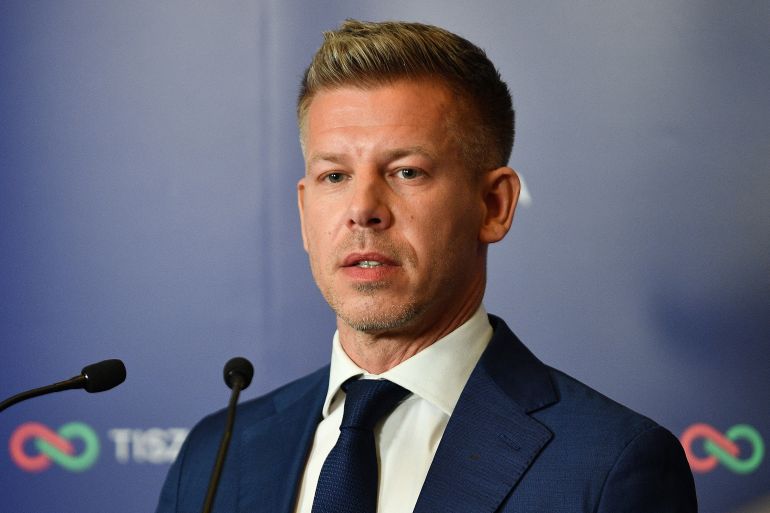
Peter Magyar and his Tisza party won a landslide victory in Hungary's parliamentary elections on Sunday, ousting Prime Minister Viktor Orban after 16 years in power. Tens of thousands of supporters gathered along the Danube in Budapest to celebrate the result, with many witnesses in tears as Magyar declared, "We have freed Hungary."
Orban conceded defeat in a tearful speech to his supporters, according to Al Jazeera. The election result represents a major shift for the country, though analysts suggest the political landscape remains complex.
Magyar, a former ally of Orban who broke with him in 2024, campaigned heavily on economic recovery. Voters cited the high cost of living and stagnant growth as primary concerns. Hungary has faced nearly zero economic growth for three years and recorded the highest inflation in the EU in 2023, Al Jazeera reported.
A complex future for EU relations
The victory changes Hungary's standing with Brussels, but the new administration faces immediate pressure to satisfy EU criteria. To unlock more than 16 billion euros ($18.7bn) in pandemic recovery funds, Magyar must approve laws regarding the rule of law, judicial independence, and corruption before an August deadline.
Orsolya Raczova, an analyst at Eurasia Group, told Al Jazeera that Magyar "does not want Hungary to be a pariah state; he sees Hungary’s place inside the EU and not outside of it; he wants Hungary to be part of the important decision-making process in Brussels."
However, France24 reported that Brussels may need to temper its enthusiasm, as the road ahead for issues like migration and LGBTQ rights is not guaranteed. Magyar maintains conservative values and continues to oppose Kyiv’s accelerated accession to the EU.
While Magyar is expected to remove the veto against a 90-billion-euro ($105bn) loan to Ukraine—a move Orban blocked over pipeline disputes—he remains a Ukraine-sceptic. He has stated he will continue to oppose military support for Kyiv.
Some commentators argue that while Orban is gone, his political style persists. Al Jazeera noted that Magyar displays much of the same political values as his predecessor, particularly regarding immigration and geopolitics.
EU Commission President Ursula von der Leyen reacted to the results on X, writing that Hungary "has chosen Europe" and that it "returns to its European path." Critics, however, argue that Hungary's identity is intrinsic to Europe and that the victory is a "Pyrrhic victory" for the EU's liberal-democratic cause due to the existing geopolitical crises facing the bloc.