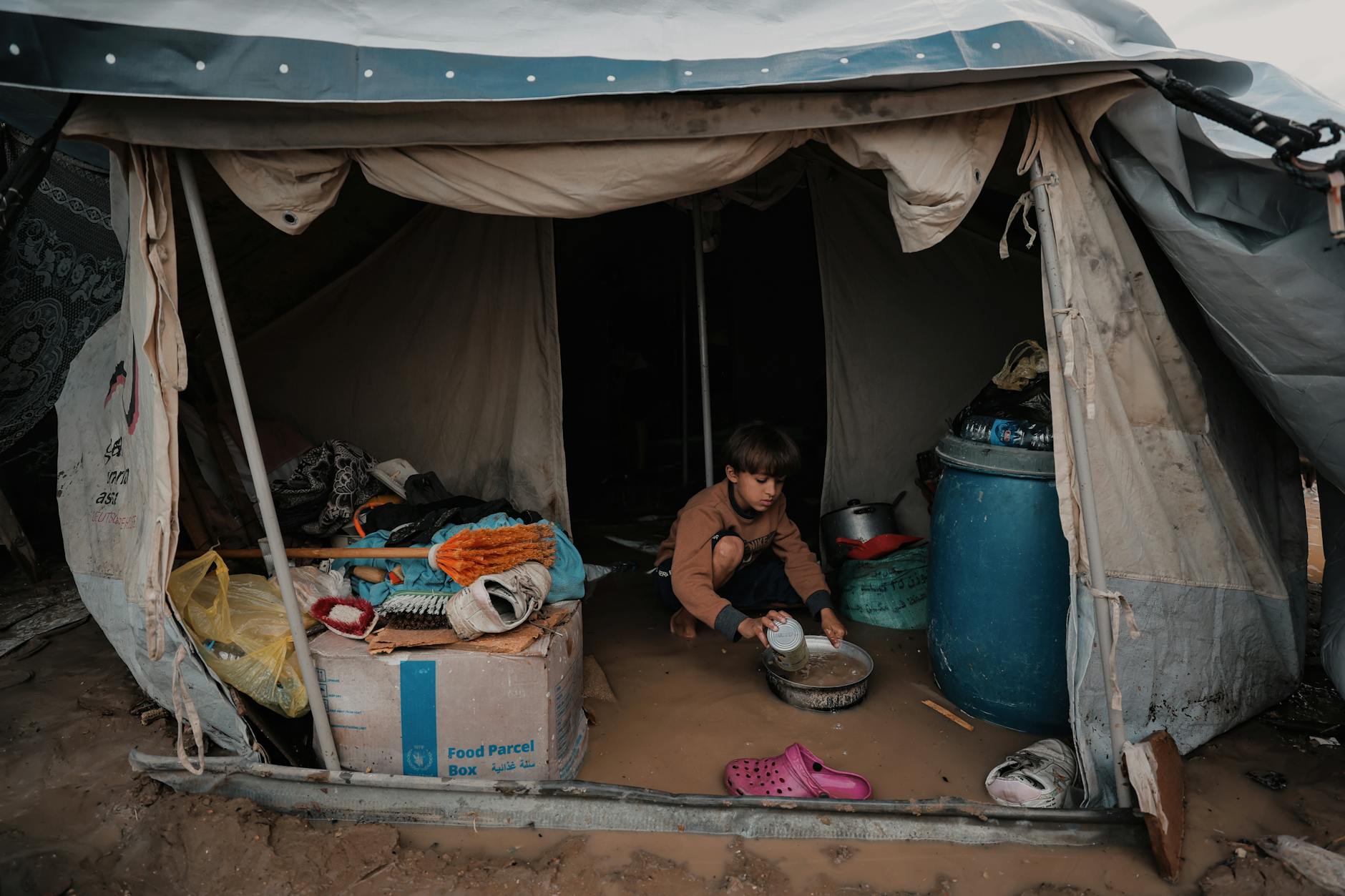
The escalating military conflict in the Middle East could push more than 30 million people into poverty worldwide, according to new projections from the United Nations Development Programme (UNDP).
The UN agency warns that the regional crisis is triggering chain-reaction economic effects that hit vulnerable populations hardest. These impacts are particularly severe in nations with low fiscal capacity to absorb rising energy and food prices.
In its latest analysis, the UNDP mapped several impact scenarios ranging from short-term disruptions to prolonged shocks lasting up to eight months. Under the most adverse scenario, the organization estimates that 32 million people could fall below the poverty line across 162 countries.
Global economic fallout
While the most intense effects are concentrated in countries directly involved in the conflict or those dependent on energy imports, the UNDP expects long-term damage in low- and middle-income economies. Regions such as sub-Saharan Africa, Asia, and small island states face significant negative consequences.
By the sixth week of the war, the impact began shifting from an acute phase to a prolonged one. The UNDP noted that even temporary ceasefires have not halted the risk of a sustained increase in global poverty if the fighting continues.
"War is development in reverse. A conflict can undo in weeks what countries have built over years," the UNDP stated in a communiqué.
The agency warned that the crisis will force many governments to choose between stabilizing consumer prices and funding essential services like health, education, and employment.
Countries with limited fiscal margins remain the most exposed to these tensions. The UNDP noted this imbalance aggravates existing inequalities and limits the effectiveness of public policy responses.
To mitigate the damage, the UNDP recommends implementing temporary, targeted cash transfers to protect vulnerable households. In the most extreme scenario, the cost of such programs could reach $6 billion.
The organization also proposed targeted subsidies or vouchers for basic energy consumption. However, it advised against universal energy subsidies, arguing they primarily benefit higher-income households and are financially unsustainable.