Researchers at the University of Virginia Health System have identified a correlation between severe respiratory infections and increased lung cancer risk. The study suggests that conditions like COVID-19 and influenza may prime the lungs for malignancy years after recovery. Vaccination remains the primary method to prevent these long-term biological changes.
Scientists at the Carter Center for Immunology Research found that serious viral infections reprogram immune cells. This reprogramming creates an inflamed state that facilitates tumor growth months or even years later. The mechanism was observed in both laboratory mice and human patient data.
Patient records indicated that individuals hospitalized for COVID-19 faced higher cancer rates later in life. This trend persisted regardless of smoking history or other existing health conditions. The data suggests the viral injury itself contributes significantly to the risk profile.
Jie Sun, co-director of the research center, explained the biological process. He stated that a bad case of the virus leaves the lungs in a long-lasting inflamed state. This environment makes it easier for cancer to take hold subsequently.
Dr. Jeffrey Sturek, a collaborator on the project, compared the findings to established risk factors. He noted that doctors have long known smoking increases lung cancer risk significantly. The results suggest severe respiratory viral infections should be considered similarly.
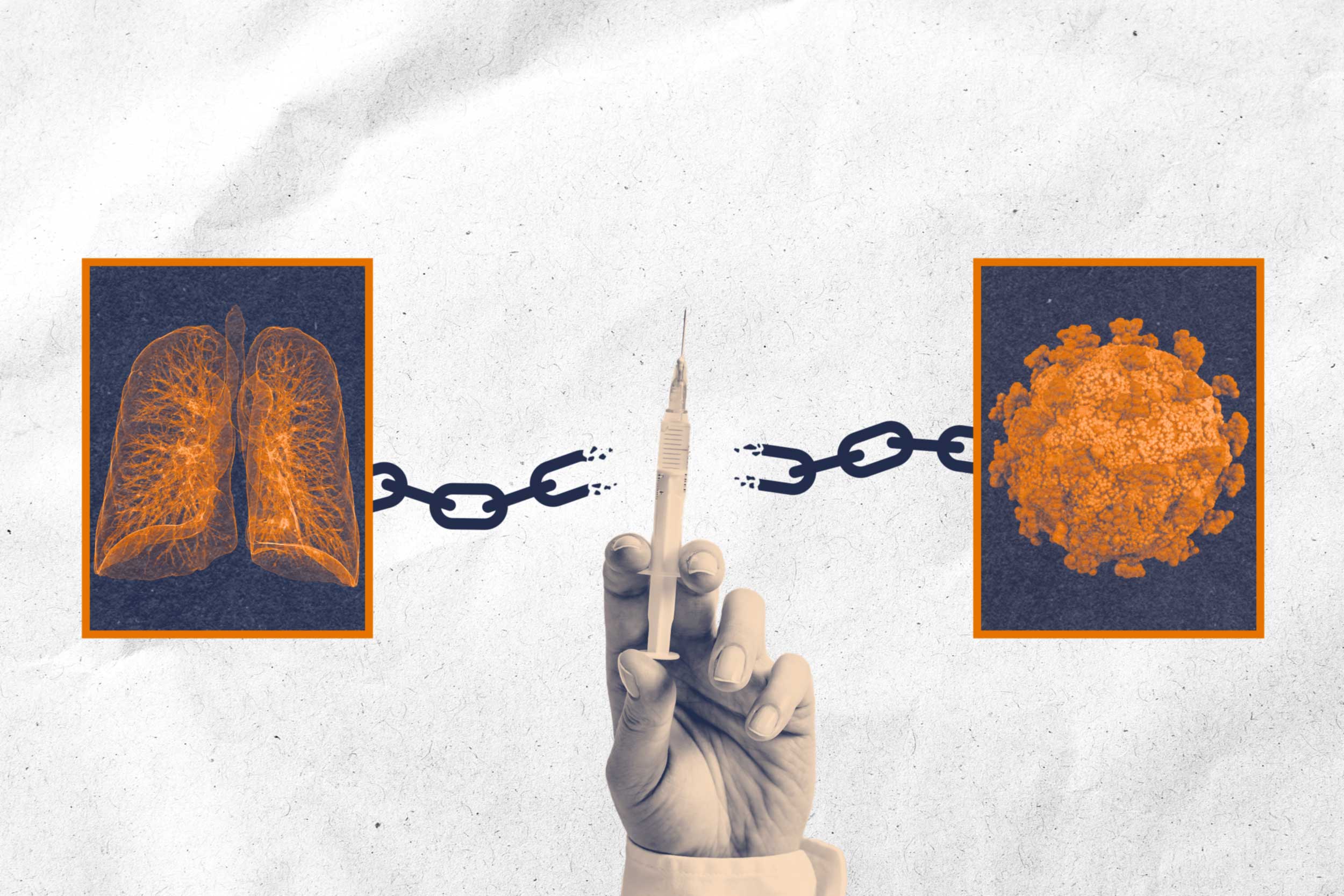
Vaccination appeared to prevent these cancer-promoting changes in the study. Helping the immune system fight infections before they become severe offers indirect protection. Researchers believe vaccines reduce the long-term fallout of severe infection.
The higher cancer risk showed up only in people hospitalized with severe COVID-19. Those who had mild illness did not exhibit the same elevated risk levels. This distinction highlights the importance of preventing severe disease progression.
Researchers urge doctors to monitor patients who recovered from severe pneumonia. Enhanced lung cancer surveillance may benefit individuals with a smoking history. Early detection remains the most effective strategy for treatment success.
The study was supported by grants from the National Institutes of Health. Additional funding came from the American Lung Association and various university fellowships. These resources enabled the extensive analysis of immune cell disruption.
The team hopes to identify patients at higher risk for viral lung cancer. Developing targeted ways to prevent and treat cancer after prior pneumonia is the goal. Future studies may incorporate similar monitoring approaches for high-risk groups. This could influence global health policy regarding post-infection care and resource allocation.