Researchers at University Health Network have published findings in Nature Medicine demonstrating that wearable technology can forecast heart failure risks. The study links daily biometric drops to unplanned medical events weeks in advance, offering a new tool for clinicians. This development addresses a critical gap in managing chronic cardiac conditions where hospitalizations remain frequent globally.
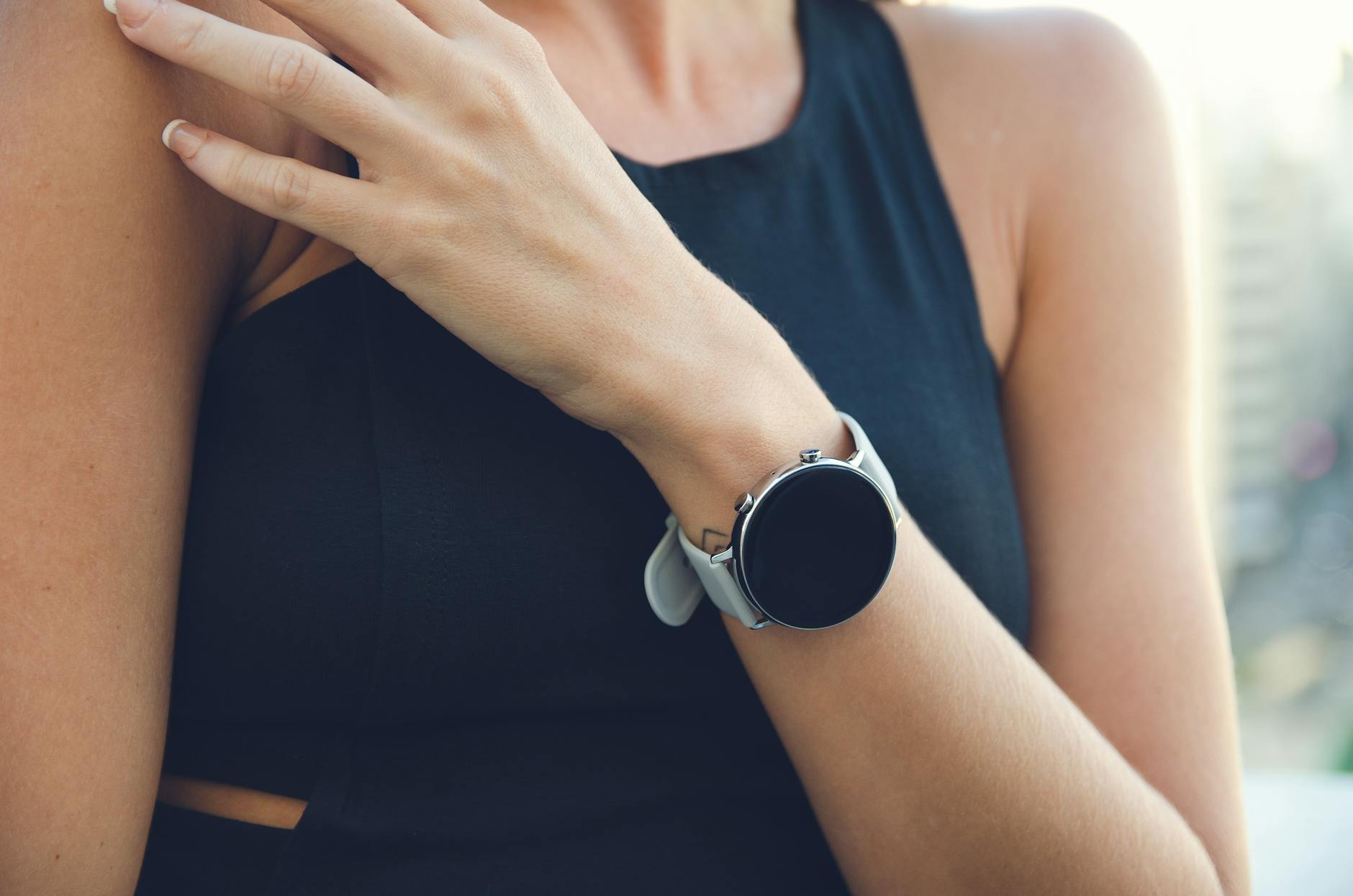
The research team, led by the Peter Munk Cardiac Centre, initiated the Ted Rogers Understanding Exacerbations of Heart Failure study in 2020. Collaboration with Apple Incorporated allowed the team to utilize biometric data from Apple Watch devices for continuous monitoring. The project examined whether these measurements could predict peak oxygen uptake in patients living with heart failure.
An artificial intelligence model named TRUE-HF was trained on data from 154 patients before validation on 63 additional participants. This system estimates individuals' daily peak oxygen uptake using standard measurements from the wearable device. Results showed that smartwatch-based estimates strongly correlated with lab-derived ones from Cardiopulmonary Exercise Testing. The model utilized heart rate and blood oxygen levels to generate these predictions accurately.
Data analysis revealed that each 10% drop in the estimated fitness measure linked to a more than threefold higher risk of an unplanned medical event. These adverse events typically occurred approximately a week after the drop first appeared in the patient data. A modified version of the model also predicted unplanned use of medical services around 21 days after the initial decline.
Researchers further validated these findings using a public cross-platform FitBit dataset from the National Institutes of Health All of Us Research Program. This external validation confirms that daily smartwatch measurements can provide early warning signs of worsening health across different devices. Identifying real-time changes in health through wearable technology could enable faster, better care without additional tests.
Dr. Heather Ross, a Clinician Investigator at UHN, noted that risk assessments often rely on scheduled clinical visits or evaluation tools. She explained that current methods do not account for the changing, episodic nature of heart failure symptoms. Doctors and clinicians need to find better ways of monitoring symptoms and predicting when medical intervention may be needed.
The study highlights the potential for wearable technology to improve risk assessment and better guide timely interventions for patients. Periods of stability are often interspersed with flare-ups of symptoms such as shortness of breath or fatigue. These episodes may require medical attention to prevent hospitalization and improve quality of life for the patient. Heart failure is a global health crisis that leads to reduced life expectancy despite recent medical advances.
All authors are investigating patenting the TRUE-HF model described in the manuscript for future commercial application. The work was supported by the Ted Rogers Centre for Heart Research and the Canadian Institutes of Health Research. This research suggests a shift toward continuous monitoring rather than episodic clinical evaluation for chronic disease management. Apple Incorporated provided 200 iPhones and Apple Watch devices for the study and collaborated with all authors.