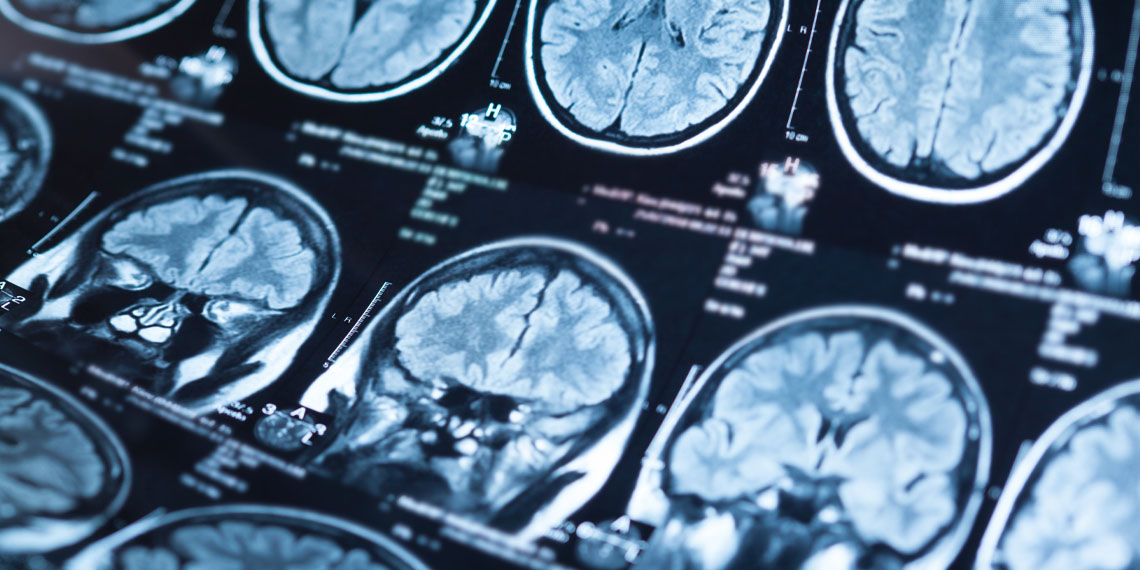
A recent study published in the journal Drug and Alcohol Dependence suggests that poor sleep in people with alcohol use disorder is closely linked to heightened negative emotions. Researchers from the University of California, Los Angeles, utilized functional magnetic resonance imaging to map these specific changes in brain activity. The findings indicate that treating sleep problems might be a practical way to help improve mood and emotional regulation for those recovering from alcohol addiction.
Addiction is often viewed as a three-stage cycle consisting of binge drinking, experiencing negative emotions during withdrawal, and a preoccupation or craving for the substance. Previous research indicates that sleep issues can alter mood and reward processing in the general population. However, these relationships had not been previously systematically examined in people with alcohol use disorder and the underlying neurobiology responsible for these processes had yet to be explored.
Neural Mechanisms of Distress
The researchers conducted two separate, independent studies to verify their initial findings using different measures of sleep. In the first study, scientists recruited 115 adults who met the clinical criteria for alcohol use disorder and completed a widely used questionnaire called the Pittsburgh Sleep Quality Index. Based on their scores, 42 participants were classified as good sleepers, while 73 were classified as poor sleepers.
A subset of 52 participants from the first study also underwent functional magnetic resonance imaging to measure blood flow to active brain areas. When viewing negative images, the poor sleepers showed much higher activity in the medial prefrontal cortex and the posterior cingulate cortex compared to the good sleepers. These specific brain regions belong to a network in the brain that is highly active when people ruminate on personal problems.
"Sleep problems in alcohol use disorder are extremely common. Prior work has found relationships between sleep disturbance and deficits in processes related to reward, negative emotional processing, and executive function. Our study set to examine the relationship between sleep disturbance and alcohol-related reward processing," said study author Erica Grodin.
Verification and Implications
The scientists then conducted a second, independent study to verify their initial findings using a different measure of sleep. This second group included 102 different adults with alcohol use disorder who responded to the Insomnia Severity Index. Just like in the first study, researchers found that worse sleep was directly linked to higher levels of negative emotions.
While these findings provide new insights, the researchers noted a few limitations to their work regarding the observational nature of the data. The research looked at data from a single point in time, meaning the scientists cannot definitively say whether poor sleep causes negative emotions or vice versa. Additionally, the participants were not formally diagnosed with a sleep disorder by a medical professional.
Eventually, the scientists hope to test whether targeted treatments for sleep can actively reduce negative emotions in people recovering from alcohol addiction. The study, authored by Erica N. Grodin and colleagues, was published in the journal Drug and Alcohol Dependence. This research highlights a promising treatment target to improve processing of negative emotions, a common trigger for drinking.