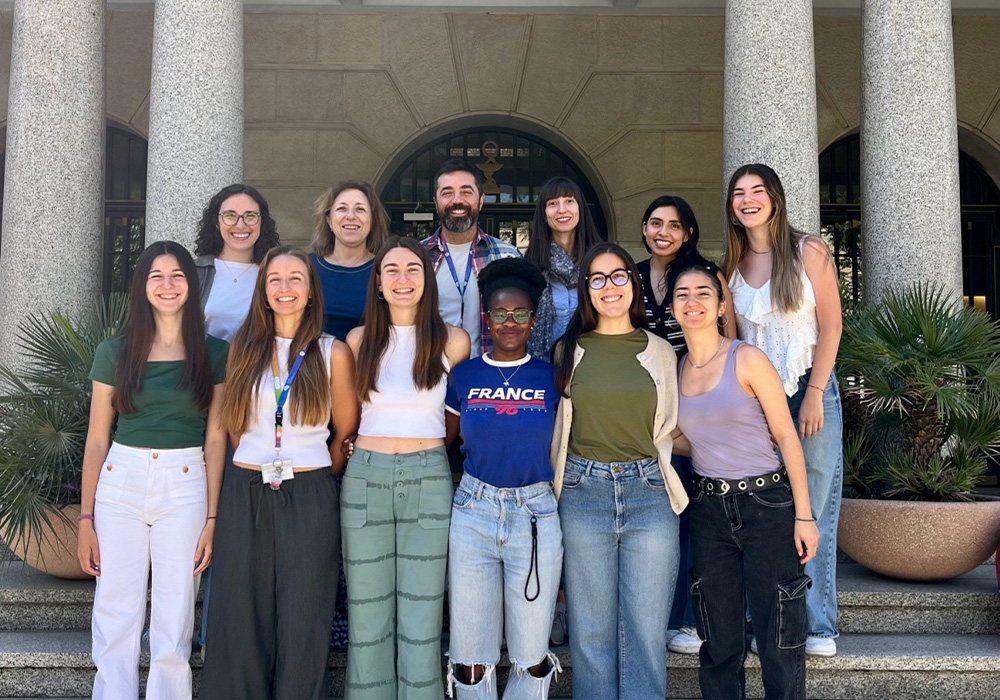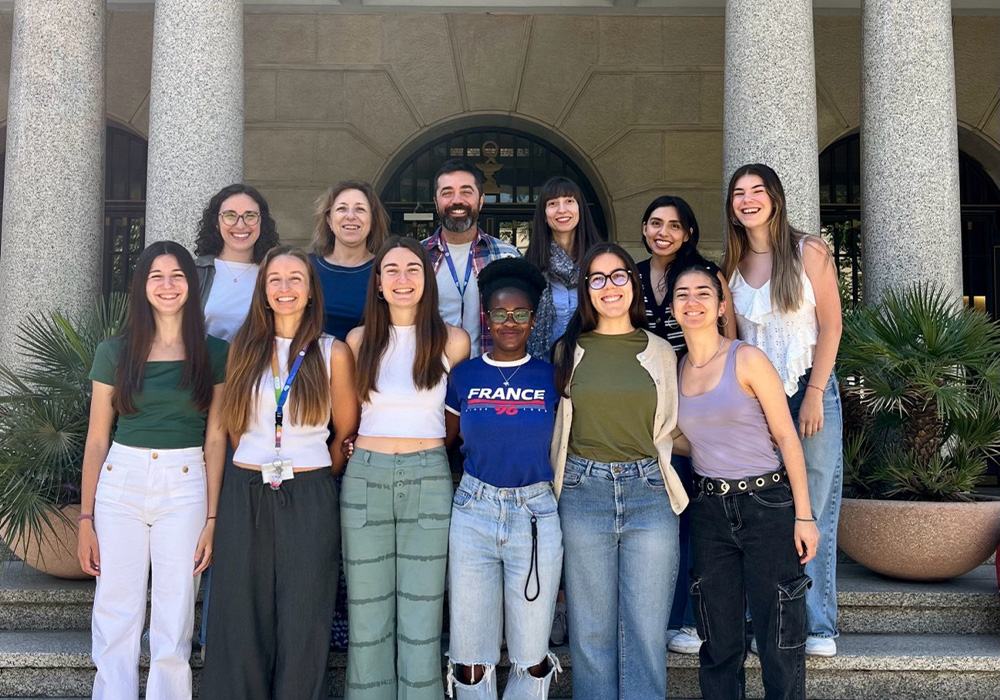
Researchers at the University of Barcelona have successfully designed a pioneering drug capable of reversing cognitive decline in Alzheimer’s disease. The study validated the compound FLAV-27 in animal models using a novel epigenetic mechanism that differs from standard treatments. A commercial spin-off named Flavii Therapeutics will now oversee the development and commercialization of the treatment for global markets.
Unlike current therapies that primarily remove beta-amyloid plaques, this new compound reprogrammes the neuronal epigenome to correct gene expression. The drug blocks the G9a enzyme, which is essential for silencing genes fundamental to neuronal development and synaptic plasticity. This approach targets fundamental molecular mechanisms rather than just managing symptoms or single pathological biomarkers associated with the condition.
Existing drugs such as lecanemab and donanemab are monoclonal antibodies that address beta-amyloid accumulation directly within the brain. Although these treatments represent a breakthrough, their efficacy is limited as they only slow cognitive decline by 27% to 35% in clinical settings. Researchers note that these medications have several side effects and do not address the full scope of the pathology involved in late-stage disease, creating a significant economic burden on healthcare systems globally. The high cost of current therapies further limits patient access in developing nations.
Aina Bellver, a researcher at the UB Institute of Neurosciences, described the compound as an innovative and promising approach to treatment. She stated that FLAV-27 acts directly on underlying molecular mechanisms to modify the disease process rather than just alleviating symptoms. The findings were published in Molecular Therapy and open the door to a new therapeutic strategy based on epigenetic regulation.
The study demonstrated functional cognitive recovery across various models ranging from in vitro assays to murine subjects with specific genetic mutations. In murine models of late-onset and early-onset Alzheimer’s disease, there was evidence of improved short-term and long-term memory retention. Social behaviour and the structure of neuronal synapses also returned to normal levels following treatment with the experimental drug.
Identification of specific biomarkers adds significant translational value to the future clinical application of this treatment for patients worldwide. The team found that epigenetic markers such as H3K9me2 are significantly elevated in blood plasma and correlate directly with symptom severity. When FLAV-27 is administered, these indicators return to normal levels parallel with cognitive recovery, allowing for easier monitoring.
Flavii Therapeutics holds the exclusive licence for FLAV-27 and was founded in 2025 to manage the intellectual property and fundraising efforts. The company will take on the preclinical and clinical development required to bring the drug to market effectively. They aim to convert the knowledge generated at the university into new therapies for central nervous system diseases like Alzheimer’s.
Despite these promising results, the drug must pass further stages before clinical trials can begin in humans across different regions. Currently in the advanced preclinical phase, the next steps include regulatory toxicology studies in at least two animal species for safety. Obtaining the pharmaceutical form and preparing the regulatory dossier will take years to complete before testing on people.
This research was the result of collaboration between the University of Barcelona and several international centres including universities in the United States. Partners included institutions in Mexico, the United Kingdom, and India among others to ensure robust validation of the scientific findings. This global network ensures robust validation of the scientific findings and broadens the potential impact on public health systems and international medical markets. International cooperation remains vital for sharing data and resources during the development phase.