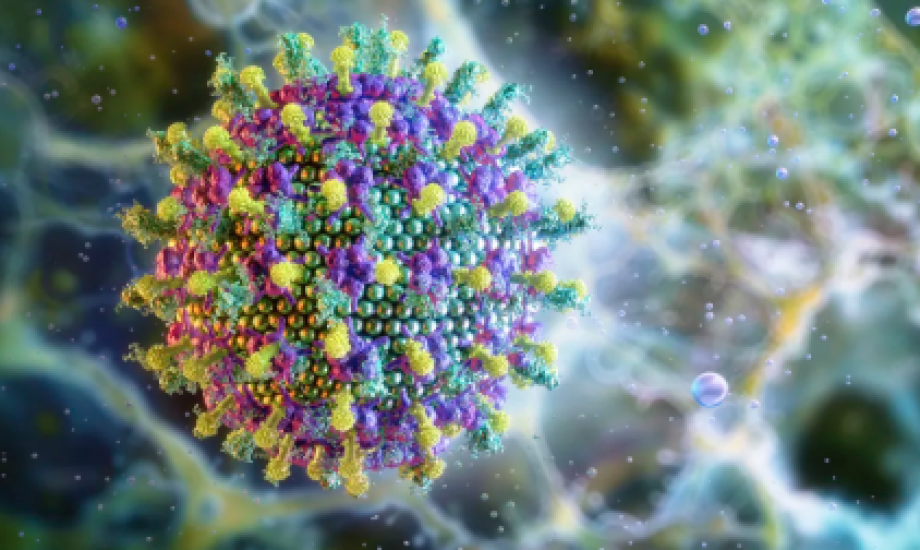
The confirmation of two Nipah virus cases resulting in fatalities within India has triggered elevated concern across regional and global health security networks. In response, nations such as Thailand and Malaysia are reportedly tightening health screening measures at major international airports amid fears of cross-border transmission via travel.
Nipah virus is categorized as a zoonotic disease primarily transmitted from fruit bats, which serve as the natural reservoir, to humans. The World Health Organization (WHO) notes that while some infections are asymptomatic, the disease frequently presents severely, with case fatality rates fluctuating between 40% and 75% based on timely medical intervention.
Experts, including those at the European Centre for Disease Prevention and Control (ECDC), emphasize that while human-to-human transmission is possible, it does not occur readily, and outbreaks are typically localized in scope. This contrasts with the high lethality observed in confirmed cases, underscoring the difficulty in managing the pathogen.
Currently, there are no officially approved vaccines or specific therapeutic treatments available for Nipah virus infection. Several experimental vaccines are reportedly advancing through development pipelines, though none have reached market approval to combat the endemic risk.
The virus was first identified in Malaysia in 1999, and since then, recurring small outbreaks have been documented, particularly in Bangladesh, with sporadic cases also appearing in India. Data compiled by the Coalition for Epidemic Preparedness Innovations (CEPI) shows approximately 750 confirmed global cases resulting in 415 deaths by December, illustrating its significant mortality index.
The renewed focus on Nipah follows extensive coverage, including an investigative series by Reuters titled “Bat Lands” in 2023, which examined the interface between wildlife reservoirs and human populations. This situation forces health authorities to re-evaluate preparedness strategies for emerging viral threats.
The immediate global implication centers on supply chain resilience and travel confidence, as heightened screening introduces friction into international commerce and movement. Authorities must balance public reassurance with proactive biosecurity enhancements to mitigate perceived risk.
What follows will likely be an increased push for international funding toward vaccine candidates and improved diagnostic capabilities in endemic areas. The WHO will likely issue updated guidance regarding travel advisories and surveillance protocols in the affected South Asian region.