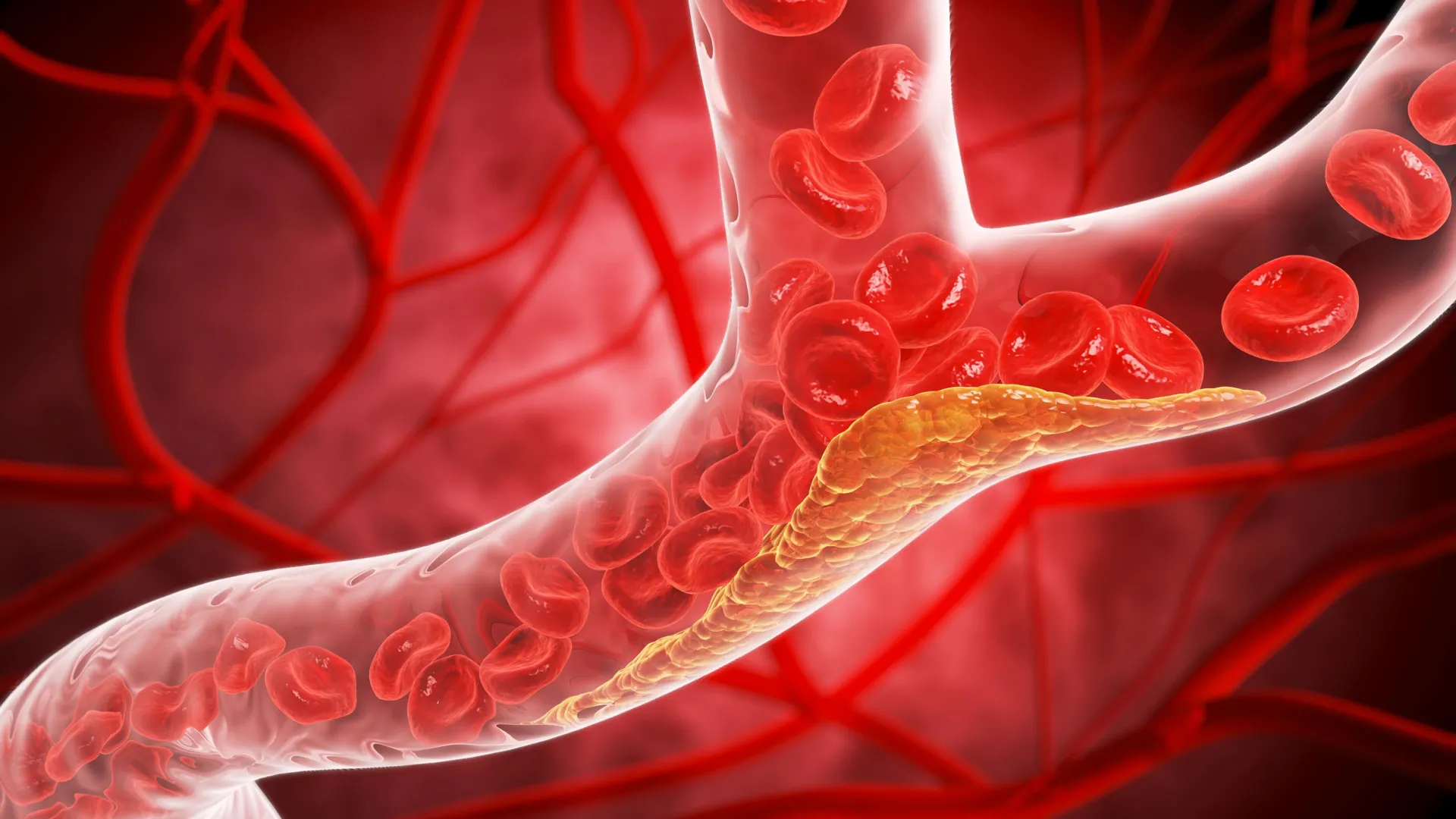
Merck & Co. Inc. and UT Southwestern Medical Center announced results from a phase three clinical trial published in The New England Journal of Medicine on March 21, 2026. The experimental medication enlicitide reduced low-density lipoprotein cholesterol levels by up to 60% among participants in the study. This development could significantly alter cardiovascular prevention strategies if regulatory bodies grant approval for the compound.
The study involved 2,909 individuals who had existing atherosclerosis or were at high risk for cardiovascular events during the observation period. Approximately two-thirds of the cohort received the oral medication, while the remainder took a placebo treatment throughout the duration. After 24 weeks, the treatment group demonstrated a substantial decrease in LDL cholesterol compared to the control group.
Researchers attribute the success of enlicitide to the PCSK9 pathway, a biological mechanism identified decades ago by leading scientists. Michael Brown and Joseph Goldstein won the Nobel Prize in 1985 for discovering LDL receptors on liver cells which regulate blood flow. Their work established the foundation for statins and subsequent injectable therapies targeting similar proteins in the human body.
Existing injectable PCSK9 inhibitors lower cholesterol by about 60% but face adoption barriers due to administration methods and compliance rates. Physicians often hesitate to prescribe these treatments because patients must receive injections rather than take oral doses for maintenance. Enlicitide offers the same potency through a once-daily pill, potentially increasing adherence among diverse patient populations globally.
Ann Marie Navar, a cardiologist at UT Southwestern Medical Center, stated this therapy improves prevention capabilities on a population level significantly. She highlighted that fewer than half of patients with established atherosclerotic cardiovascular disease currently reach LDL cholesterol goals in clinical practice. An oral option matching the efficacy of injectables addresses a critical gap in current treatment protocols for heart disease.
Most participants in the trial were already utilizing statins, yet their average LDL cholesterol remained at 96 milligrams per deciliter. This figure exceeds the recommended target of 70 mg/dl for those with atherosclerosis or 55 mg/dl for high-risk individuals globally. The new drug successfully lowered these markers to meet or exceed safety thresholds for cardiovascular protection without additional side effects.
Data collected over a full year of follow-up indicated that the cholesterol reductions remained stable throughout the entire observation period. The medication also impacted other biomarkers linked to heart disease, including apolipoprotein B and lipoprotein(a) concentrations. These consistent results suggest the therapy provides sustained benefits beyond simple lipid reduction for patients with risk factors.
A second clinical trial is currently underway to determine if these biochemical improvements translate to fewer heart attacks and strokes in real-world settings. Regulatory approval from the Food and Drug Administration remains a prerequisite before the drug can become available commercially to the public. Merck & Co. Inc. sponsored the initial research and continues to fund subsequent investigations into the compound and its long-term safety.
Wider adoption of oral PCSK9 inhibitors could shift the economic landscape of cardiovascular care and drug manufacturing across international markets. High costs and insurance barriers previously hindered access to injectable therapies, though those issues have improved recently for many patients. An oral formulation might further reduce administrative burdens on healthcare providers and improve patient compliance rates significantly. Developing nations may benefit from lower distribution costs associated with pills compared to cold-chain injectable requirements.
Analysts will monitor the upcoming outcomes trial to assess real-world efficacy regarding hard endpoints like mortality and hospitalization rates. The scientific community awaits further data on potential side effects and long-term safety profiles before widespread implementation occurs. Successful approval would mark a significant milestone in the evolution of lipid-lowering treatments since the introduction of statins decades ago. Merck shares reacted positively to the initial data release, signaling strong investor confidence in the potential market value.