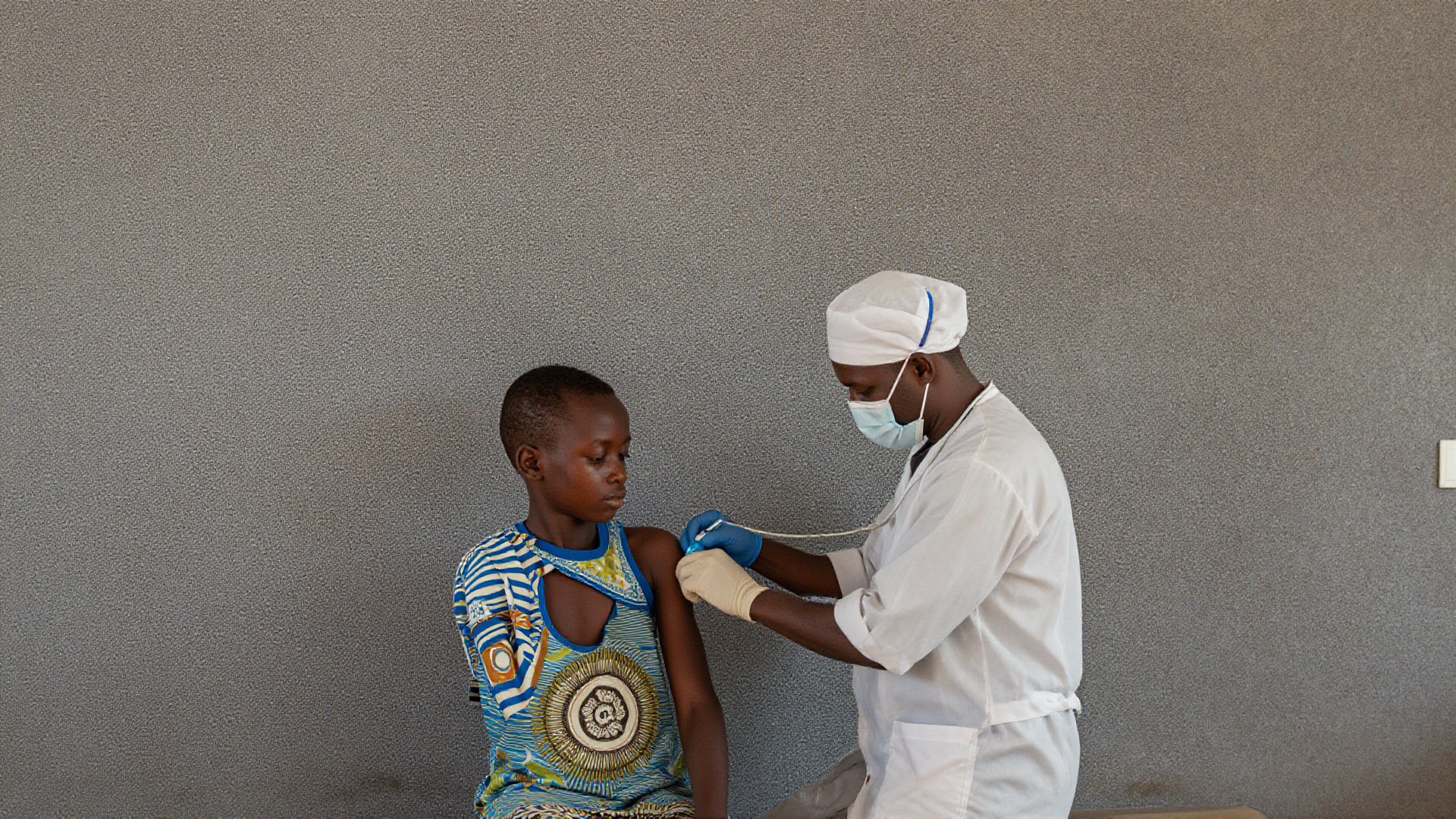
New malaria vaccines are proving highly effective in Ghana, driving the nation closer to eliminating child mortality from the disease, according to the international vaccine alliance Gavi and the Ghanaian health service. This progress highlights the global potential of these shots against a disease that claims nearly half a million young lives annually across Africa.
However, the success faces headwinds as Gavi anticipates a significant funding gap for the next five years, projecting expenditures of just over $800 million, which is 28% below expected requirements. Internal Gavi estimates reviewed by Reuters indicate that this shortfall, driven by reduced contributions from wealthy nations, could result in an additional 19,000 lives lost due to lower vaccination coverage.
Ghana’s immunization program head, Dr. Selorm Kutsoati, confirmed the profound effect of the vaccines, noting that confirmed deaths among children under five plummeted nearly 86% between 2018, before the widespread introduction of the GSK vaccine, and 2024. This decline, from 245 deaths to just 35 in that period, builds upon prior gains made through bed net distribution and improved access to preventive drugs.
The funding crisis is partly attributed to the withdrawal of support from major donors; the United States, a former top contributor, ceased disbursing funds to Gavi following policy shifts under the Trump administration. A U.S. Department of Health and Human Services official cited concerns over the mercury-based preservative thimerosal, a condition Gavi stated would be addressed based on scientific consensus.
Furthermore, Britain, Gavi’s largest donor, has pledged over 20% less funding for the 2025-2030 period compared to the preceding five years. Scott Gordon, who leads Gavi’s malaria program, emphasized the critical gap between the promise of the vaccines and the resources available to deploy them effectively across the continent.
Despite initial skepticism from some global bodies regarding the vaccines' efficacy—estimated at over 50% reduction in cases after three doses—real-world data from Ghana supports their implementation. Health officials in Accra view the vaccine rollout as the necessary complement to existing interventions, providing the 'master stroke' needed to control case numbers that still strain hospital capacity.
The broader implication is a potential reversal of momentum in the fight against malaria in sub-Saharan Africa, where challenges like drug resistance and resource-poor health systems are already acute. The varying uptake rates across the 24 African nations currently rolling out the shots—ranging from over 70% in Ghana to 35% in South Sudan—underscore the logistical hurdles in reaching remote populations.