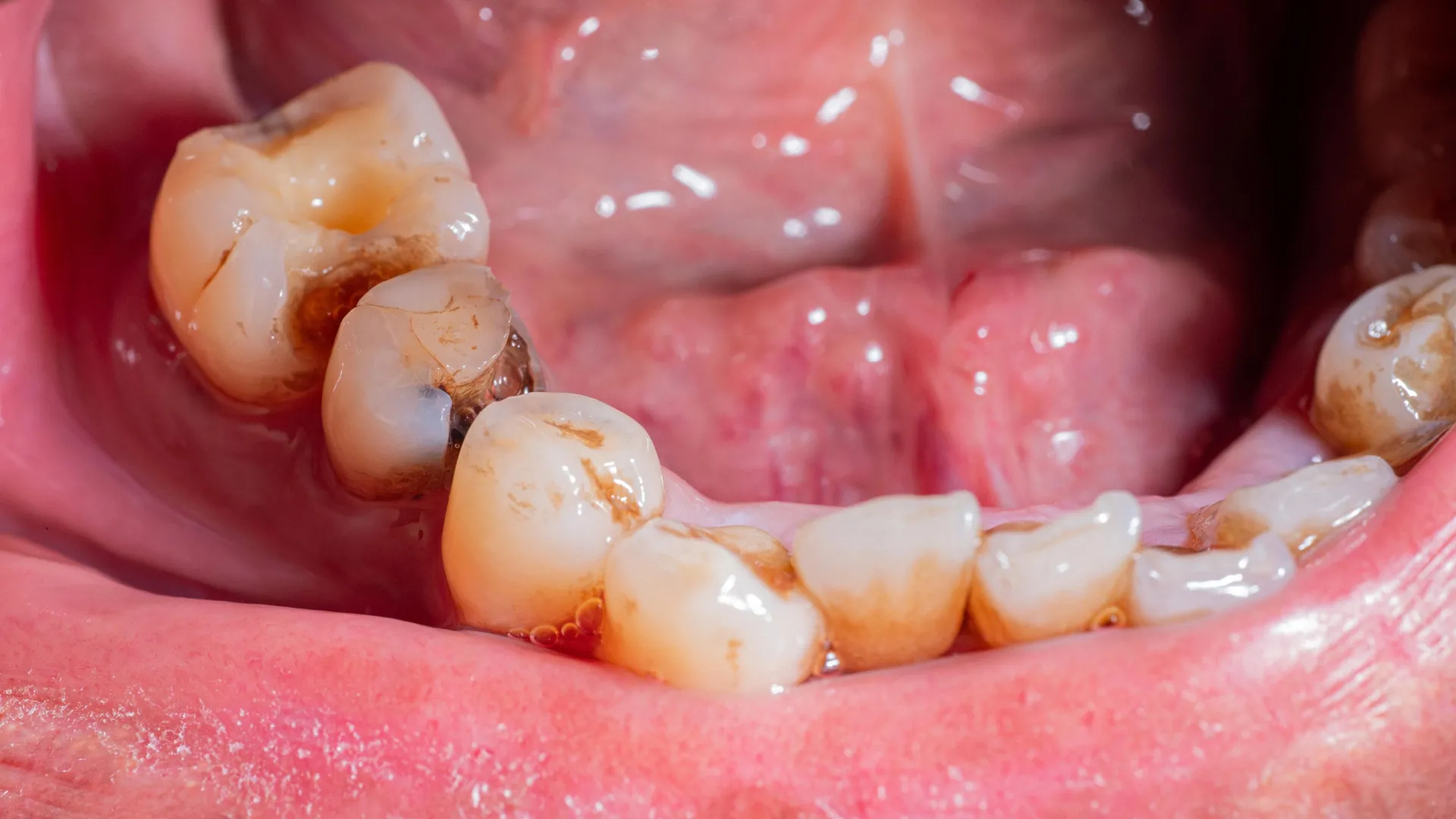
A clinical study published by King's College London on March 17, 2026, indicates that root canal treatment offers systemic health benefits beyond simple dental preservation. Researchers observed significant improvements in blood sugar levels and cholesterol profiles among patients treated for infected teeth during the trial. The findings suggest that clearing oral infections could reduce the burden of chronic metabolic diseases on global healthcare systems significantly.
The investigation focused on 65 patients receiving care at Guy's and St Thomas' NHS Foundation Trust over a two-year monitoring period. Scientists tracked metabolic changes using nuclear magnetic resonance spectroscopy to analyze proteins and molecules circulating in the blood samples. Data revealed that glucose metabolism improved significantly following the successful removal of infected tissue within the tooth pulp.
Oral bacteria from untreated apical periodontitis can enter the bloodstream and trigger widespread inflammation throughout the human body. High levels of systemic inflammation are known risk factors for cardiovascular disease and difficulties in controlling blood sugar levels. By eliminating the source of the infection, the study found that inflammatory markers gradually declined over the observation window.
Lead author Dr. Sadia Niazi, a senior clinical lecturer in endodontology, emphasized the connection between oral hygiene and overall physiological function. She stated that long-standing infections allow bacteria to enter the bloodstream, potentially raising the risk of heart disease and diabetes. Her team advocates for integrated care models where dentists and general practitioners monitor these systemic risks together.
Previous hypotheses linked oral health to general wellness, yet this research provides specific metabolic evidence to support the theory. The study was funded by the Royal College of Surgeons England and published in the Journal of Translational Medicine. This publication marks a shift from anecdotal evidence to quantifiable data regarding the impact of dental procedures on internal health.
Improved lipid profiles included short-term reductions in cholesterol and fatty acid levels, which are closely tied to heart health outcomes. Patients also showed declines in key indicators associated with cardiovascular disease and other chronic conditions over the monitoring period. These metabolic shifts suggest that dental interventions could serve as a preventive measure against serious systemic illnesses.
Larger studies remain necessary to confirm the results across diverse populations before these findings influence global clinical guidelines. Healthcare policymakers may need to consider the economic implications of treating oral infections earlier to prevent costly chronic disease management. Integrating dental screenings into primary care could reduce long-term expenditure on diabetes and heart disease treatments.
Future research will focus on whether these metabolic markers can help doctors evaluate recovery and potential health risks following treatment. Specific molecules such as triglycerides and the protein tryptophan showed promise as indicators for monitoring patient recovery post-procedure. Medical professionals must recognize the wider impact of dental infections to advocate for early diagnosis and comprehensive treatment plans.