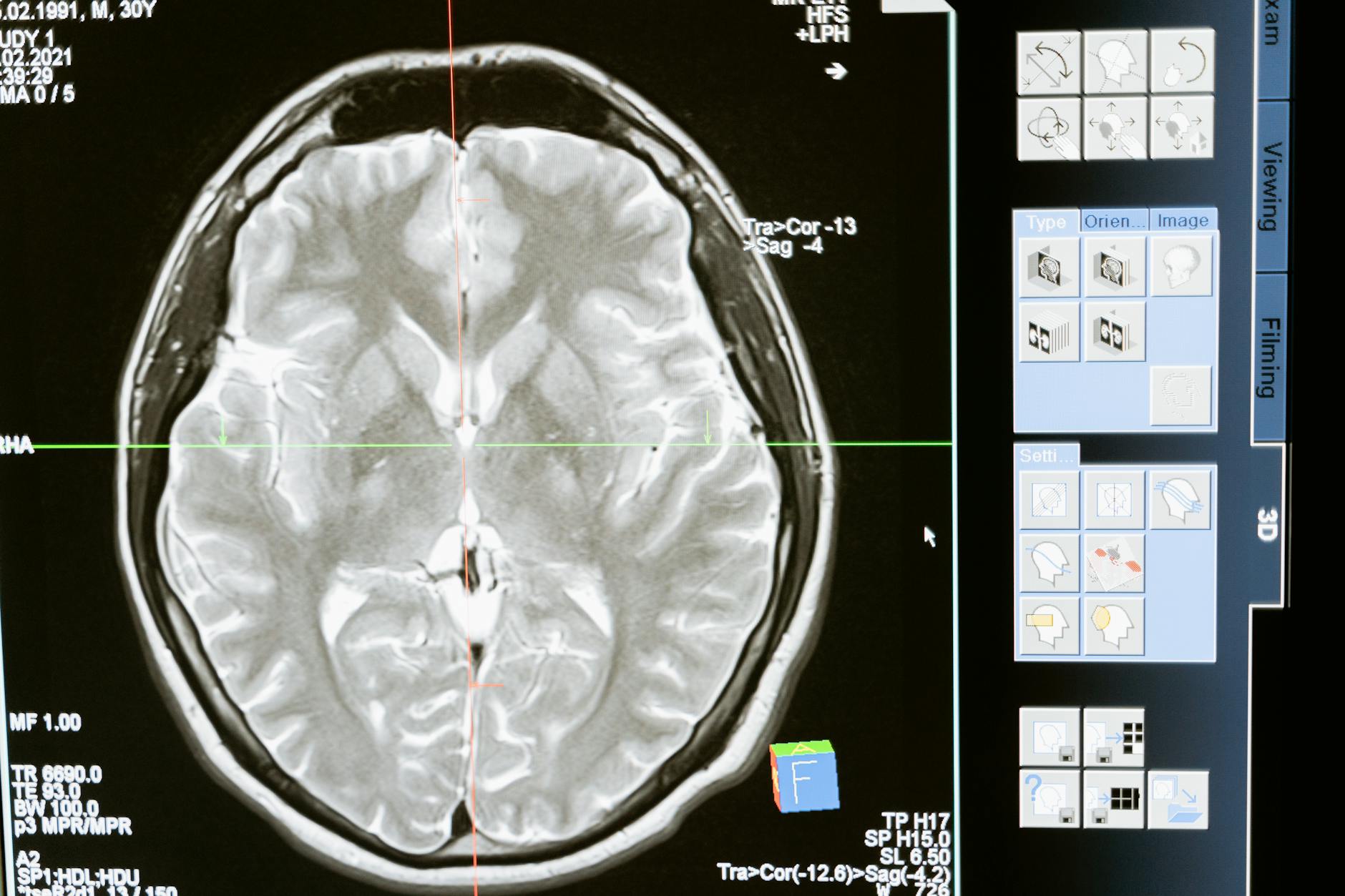
Researchers at Johns Hopkins Medicine have identified a 'master gene' that appears to act as a primary engine for the spread of pancreatic cancer. The study, published in the journal Molecular Cancer, suggests the gene—known as KLF5—promotes tumor growth and invasion by fundamentally altering how DNA is organized.
Unlike many cancer-driving mechanisms that rely on DNA mutations, KLF5 operates through epigenetic regulation. It controls whether specific genes are switched on or off by modifying the physical structure of DNA packaging within the cell.
"Epigenetic alterations are underappreciated as a major route to developing and fueling the growth of cancer metastasis," says Andrew Feinberg, M.D., a Bloomberg Distinguished Professor at Johns Hopkins.
Targeting the epigenetic control system
The research team utilized CRISPR gene-editing technology to systematically silence genes within laboratory-grown cancer cells. By observing which genes, when deactivated, most effectively halted tumor growth, they identified KLF5 as a critical player. In patient samples, 10 out of 13 individuals displayed elevated levels of KLF5 activity in metastatic tumors compared to their original sites.
Beyond its own activity, KLF5 acts as a regulator for other genes, including NCAPD2 and MTHFD1. These genes are known to influence how cancer cells invade new tissues and resist standard medical treatments.
"We are adding to evidence that cancer metastases are not caused by additional mutations in the primary cancer, but by additional epigenetic changes, enabling the cancer to thrive and grow," says lead author Kenna Sherman, a graduate student at Johns Hopkins.
Feinberg noted that because KLF5 drives these changes even at low levels of activity, researchers might not need to fully eliminate the gene to achieve therapeutic results. Several experimental drugs targeting KLF5 are currently in development, offering a potential path for clinical intervention.
The findings build on a 2017 study by the same team, which first suggested that widespread epigenetic shifts, rather than new DNA sequence errors, drive the lethal spread of pancreatic cancer. This latest work provides a more granular look at the 'control system' responsible for these changes.
The research was supported by the National Institutes of Health, a Celgene License Pathway Agreement, and private donations. The study involved a multi-institutional team, including contributors from Yale University and NYU Langone Health.