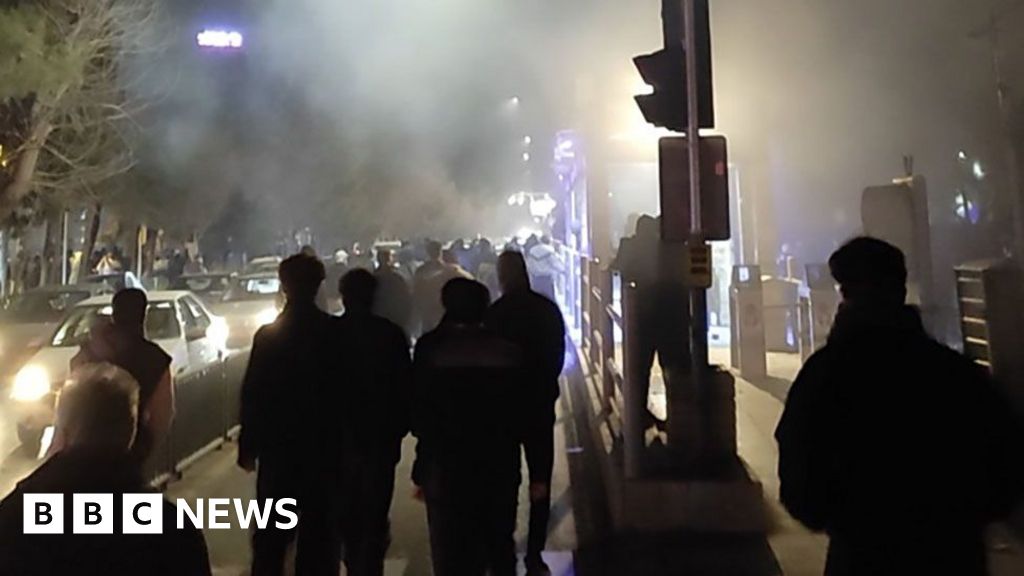
The ongoing crackdown on anti-government demonstrations across Iran has forced injured protesters into a precarious shadow economy for medical treatment. Accounts emerging from the country detail a system where victims, fearing immediate detention upon hospital admission, seek refuge with private citizens and underground medical volunteers. This dynamic is fundamentally shifting the landscape of emergency care access, creating a significant public health challenge obscured by official narratives.
Testimonies—such as that of 'Tara' from Isfahan, who sustained birdshot wounds—reveal the immediate decision-making process: avoiding state medical facilities at all costs. After being shot by security forces, the priority shifted from immediate surgical care to secure concealment, leading to treatment administered in private homes. This reliance on informal networks points to a calculated risk assessment by citizens who perceive state institutions, including hospitals, as extensions of the security apparatus monitoring dissent.
Medical professionals themselves are operating under extreme duress. Surgeons like 'Nima' in Tehran have described operating under relentless pressure, sometimes for days consecutively, while navigating the threat of police interference. The presence of security forces within medical centers and the alleged monitoring of patient records create an environment where even documenting gunshot wounds becomes an act of potential complicity, forcing clinicians to triage based on political risk rather than purely medical necessity.
The scale of the crisis is difficult to quantify. While human rights monitors like HRANA report confirmed deaths exceeding 6,300 and thousands severely wounded, the true figures are likely higher given the systematic avoidance of official documentation. The Iranian authorities, conversely, cite figures suggesting high rates of voluntary hospital engagement, a claim undermined by consistent anecdotal evidence of severe underreporting of protest-related trauma.
Furthermore, the network supporting these wounded individuals is itself being targeted. Reports indicate the arrest and intimidation of doctors and volunteer first responders, with some accused of severe offenses like 'moharebeh' (enmity against God), charges carrying potential capital punishment. This aggressive targeting serves as a potent deterrent, further isolating the injured and increasing the dependence on increasingly risk-averse community support systems.
In major urban centers, specialized care, such as that required for severe eye injuries documented at Tehran's Farabi Eye Hospital, is being delivered through back channels, with surgeons reportedly waiving fees to mitigate the financial burden on families already facing state scrutiny. This collaborative, yet clandestine, effort reveals a profound societal split between the state's authority and the immediate needs of its populace.
Ultimately, the reliance on secret medical treatment represents more than just a logistical hurdle; it is a powerful indicator of the breakdown of institutional trust. For many Iranians caught in the current wave of unrest, the pathway to recovery runs directly counter to state oversight, embedding the trauma of the protests into the very fabric of post-injury care. (Source: Based on BBC reporting and analyses from human rights organizations.)